Exploring a shift toward sustainable living often leads people to consider careers connected to agriculture, but the paths can vary widely. On one hand, becoming an urban agriculture manager offers a chance to innovate within city limits, blending technology and green spaces.
On the other, preparing for a move to rural farming life involves a completely different set of challenges and rewards. Both options demand unique skills, mindset shifts, and long-term planning.
If you’re weighing these exciting opportunities, it’s essential to understand what each journey truly entails. Let’s dive deeper and get a clear picture of what lies ahead!
Innovating Green Spaces in Urban Settings
Balancing Technology and Nature
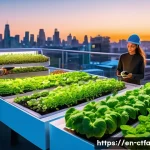
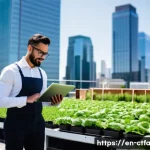
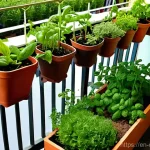
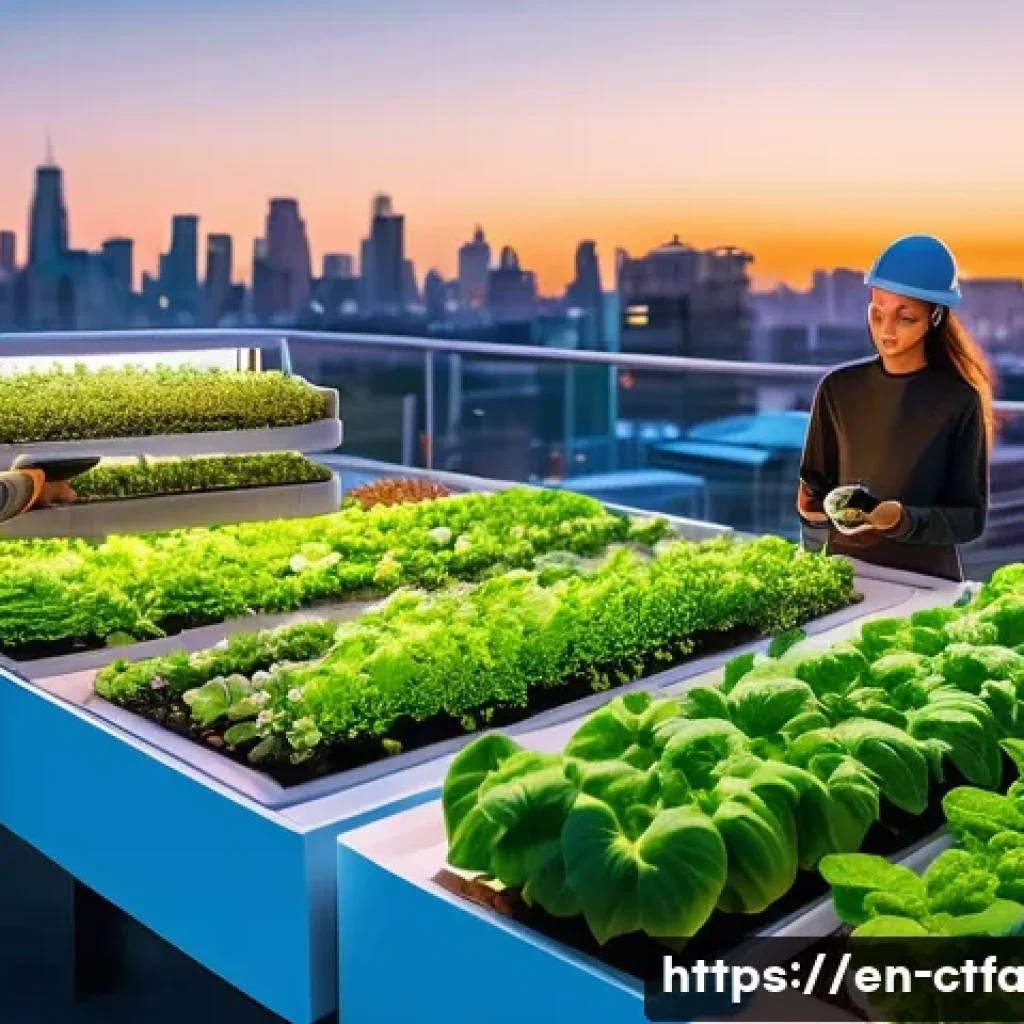
Urban agriculture management is a unique dance between the natural world and cutting-edge technology. In cities, space is at a premium, so you often find yourself working with vertical gardens, hydroponics, or aquaponics systems.
These innovations allow food production to thrive without sprawling fields. What’s fascinating is how data analytics and IoT devices are increasingly integrated to monitor soil moisture, nutrient levels, and even plant health in real time.
From my experience visiting a rooftop farm, I was amazed at how sensors helped optimize water use, reducing waste while boosting yields. It’s a constant balancing act, but one that can lead to remarkable sustainability wins right in the heart of urban life.
Community Engagement and Education
One of the most rewarding parts of managing urban agriculture projects is the strong community connection. Unlike rural farming, where the work is often solitary or family-based, urban agriculture frequently involves education programs, workshops, and collaborations with local schools or nonprofits.
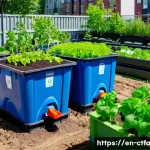
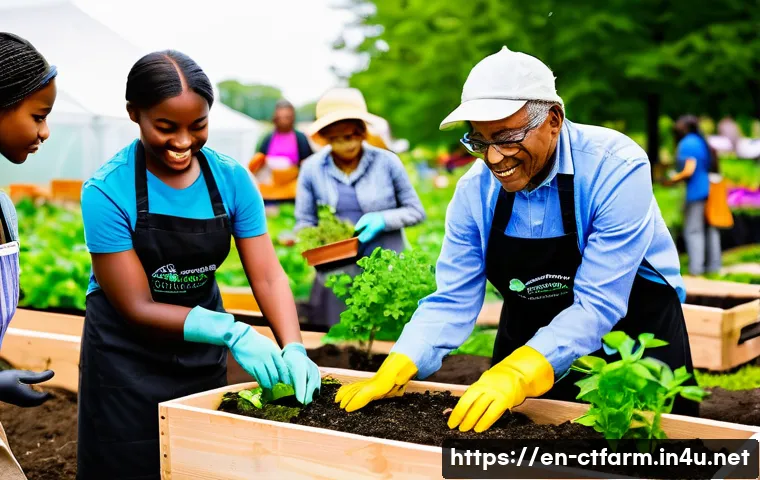
I recall volunteering at an urban garden where kids learned about composting and plant cycles—seeing their excitement was priceless. This community aspect means you’re not just growing crops; you’re cultivating awareness and environmental stewardship in dense city neighborhoods.
For many, this people-centered approach adds a layer of fulfillment that goes beyond the harvest.
Regulatory and Logistical Challenges
Navigating city regulations can be tricky. Urban agriculture managers must be well-versed in zoning laws, health codes, and sometimes even building permits.
It’s not just about growing plants; it’s about ensuring compliance with a maze of municipal rules. Moreover, logistics like sourcing materials, managing waste, and dealing with limited sunlight due to tall buildings require creative problem-solving.
I’ve talked with several professionals who emphasized that patience and persistence are key traits in this field. These challenges might seem daunting at first, but overcoming them often leads to innovative solutions that push urban farming forward.
Embracing the Rhythms of Rural Farming Life
Mastering Hands-On Agricultural Skills
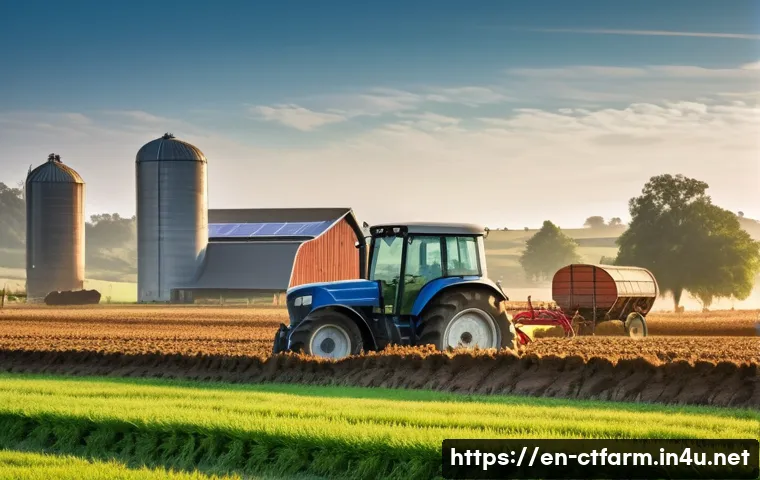
Transitioning to rural farming means diving deep into the practical, hands-on world of agriculture. Unlike the tech-driven urban garden, rural farms demand a broad skill set—from soil preparation and crop rotation to animal husbandry and machinery operation.
When I spent time on a family farm, I quickly realized how every day brought new challenges, from fixing a tractor to managing irrigation systems. This immersive environment requires not only physical stamina but also a willingness to learn continuously.
The satisfaction of growing your own food and raising livestock, however, is unmatched and can foster a profound connection with the land.
Building a Sustainable Lifestyle Around Nature
Rural life offers a chance to live closer to nature’s rhythms, but it also requires embracing a sustainable mindset deeply. Water conservation, renewable energy use, and organic practices often become integral parts of daily operations.
I’ve met farmers who installed solar panels and rainwater catchment systems, reflecting a commitment to reducing environmental impact. Living sustainably in a rural setting means thinking long-term about soil health, biodiversity, and ecosystem balance.
It’s a lifestyle as much as a career, demanding patience, resilience, and a genuine respect for the environment.
Financial Planning and Market Access
One of the biggest hurdles in rural farming is financial stability. Unlike urban agriculture, where niche markets and local partnerships might be more accessible, rural farmers often face challenges reaching customers and managing fluctuating crop prices.
From what I’ve gathered talking with seasoned farmers, diversifying income streams—such as adding agritourism or value-added products—can be crucial. It’s also essential to plan for seasonal variability and unpredictable weather patterns.
Careful budgeting, grants, and community-supported agriculture (CSA) models can help, but stepping into rural farming requires a serious commitment to long-term financial management.
Comparing Skill Sets and Mindsets for Both Paths
Technical Expertise Versus Practical Experience
Urban agriculture managers typically lean more on technology, data, and innovative growing techniques, while rural farmers depend heavily on hands-on skills and traditional farming knowledge.
For example, an urban manager might need to understand automated irrigation systems and urban planning, whereas a rural farmer must know how to repair equipment and manage livestock health.
Both require problem-solving but applied in vastly different contexts. The urban role can feel more experimental, while rural farming is often grounded in time-tested practices.
Community Interaction and Lifestyle Differences
In cities, the work often involves community outreach and education, interacting with diverse groups daily. Rural farming, on the other hand, tends to be more solitary or family-oriented, with social life revolving around smaller communities.
This difference affects not just your daily routine but your overall lifestyle and support networks. I’ve noticed that people drawn to urban agriculture thrive on collaboration and public engagement, while those heading rural prefer solitude and self-reliance.
Long-Term Vision and Career Sustainability
Both paths require a clear long-term vision but differ in their sustainability challenges. Urban agriculture managers must anticipate technological trends and urban development policies, while rural farmers plan around seasons, land health, and market demands.
Each path has its uncertainties, but understanding your personal goals and risk tolerance is key. From my conversations with professionals on both sides, success often depends on adaptability and ongoing learning.
Financial and Logistical Overview
| Aspect | Urban Agriculture Manager | Rural Farming |
|---|---|---|
| Initial Investment | Moderate to High (technology, infrastructure) | High (land, machinery, livestock) |
| Space Requirements | Limited, compact, innovative use of vertical space | Extensive land area |
| Community Engagement | High, educational and social programs | Moderate to Low, more family/community-based |
| Skill Focus | Tech-savvy, project management | Hands-on farming, mechanical skills |
| Market Access | Local urban markets, restaurants, direct-to-consumer | Farmers markets, wholesale, CSA programs |
| Environmental Impact | Focus on sustainability within urban constraints | Direct impact on land health and biodiversity |
Emotional and Lifestyle Considerations
Dealing with Stress and Workload
Both careers come with intense periods of work and stress, but their nature varies. Urban agriculture managers often juggle deadlines, permits, and stakeholder expectations, which can be mentally taxing.
Rural farmers face physically demanding labor and the unpredictability of weather or pests. When I spoke with a few urban managers, they mentioned how the pressure to innovate constantly can be exhausting, while rural farmers described the relentless pace during planting or harvest seasons.
Recognizing these stressors early helps in preparing coping strategies.
Work-Life Balance and Personal Fulfillment
The urban role may offer more regular hours, with office-like planning days mixed with hands-on work, whereas rural farming often means early mornings and long days in the field.
However, rural farmers frequently speak of a deep satisfaction that comes from working closely with nature and seeing tangible results. I’ve found that people who thrive in rural farming often embrace the lifestyle as a holistic experience, blending work and life seamlessly, while urban agriculture managers might appreciate the balance of tech and greenery in a city setting.
Building a Support Network
In urban agriculture, support often comes from professional networks, environmental organizations, and community volunteers. Rural farmers rely heavily on family, neighbors, and local cooperatives.
Both paths benefit from mentorship and shared knowledge. Personally, I’ve seen how joining local or online groups can make a huge difference in troubleshooting problems and staying motivated, regardless of the environment you choose.
Essential Tools and Technologies for Success
Urban Agriculture Innovations
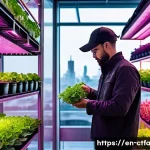
Technology plays a starring role in urban farming. From LED grow lights that mimic sunlight to automated climate control systems, these tools maximize productivity in limited spaces.
I visited an urban farm that used drones to monitor crop health—this kind of innovation is transforming how food is grown in cities. Apps for resource tracking and scheduling also help managers keep everything running smoothly.
Traditional and Modern Tools in Rural Farming
While rural farming still depends on classic tools like plows, tractors, and hand tools, many farmers now integrate GPS-guided equipment, soil sensors, and even drones for crop monitoring.
I talked to a farmer who combined old-school wisdom with new tech, like using apps to forecast weather and optimize planting times. This hybrid approach can boost efficiency without losing the connection to the land.
Learning and Adapting to New Methods
Both urban and rural agriculture require a commitment to continuous education. Workshops, certifications, and online courses help keep skills sharp and introduce sustainable practices.
I found that being open to experimentation, whether trying a new hydroponic setup or rotating crops differently, is crucial for success in either setting.
Embracing change and innovation is what separates thriving agriculture ventures from those that struggle.
Career Growth and Future Opportunities
Expanding Roles in Urban Agriculture
As cities grow and sustainability becomes a priority, urban agriculture managers are increasingly in demand. Opportunities include consulting, designing green infrastructure, and policy advising.
From what I’ve seen, professionals who combine horticulture knowledge with tech skills can carve out diverse career paths, including starting their own urban farm businesses or working with municipalities to develop green spaces.
Scaling and Diversifying Rural Farming
Rural farmers often look to scale by adding new crops, livestock, or agritourism ventures. Some expand into organic or specialty markets, while others collaborate in cooperatives to improve bargaining power.
I met a farmer who started hosting workshops and farm-to-table dinners, which not only brought extra income but also built a loyal customer base. Diversification is key to long-term viability in rural agriculture.
Bridging Both Worlds
Interestingly, some professionals find ways to blend urban and rural approaches. For instance, managing a rural farm while running an urban CSA program or using urban tech innovations to improve traditional farming.
This hybrid model can open exciting avenues for creative entrepreneurs who want the best of both worlds. From my perspective, flexibility and a broad skill set can make all the difference in a rapidly evolving agricultural landscape.
Conclusion
Both urban and rural agriculture offer unique challenges and rewards, blending technology, community, and a deep connection to nature. Whether you prefer the fast-paced innovation of city farming or the hands-on, steady rhythm of rural life, there’s a fulfilling path to explore. Embracing continuous learning and adaptability is key to success in either environment.
Useful Information to Keep in Mind
1. Urban agriculture thrives on integrating technology like sensors and IoT devices to maximize limited space and improve sustainability.
2. Community engagement is vital in urban farming, often involving education programs and collaborative efforts that build environmental awareness.
3. Rural farming demands strong practical skills, from equipment maintenance to animal care, along with a commitment to sustainable living practices.
4. Financial planning and market access differ greatly between urban and rural settings, requiring tailored strategies to ensure profitability.
5. Both paths benefit from continuous education and openness to innovation, whether adopting new tech or refining traditional methods.
Key Takeaways
Understanding the distinct skill sets, lifestyle demands, and sustainability challenges of urban versus rural farming helps in making informed career choices. Success in these fields hinges on adaptability, community involvement, and balancing technological advances with environmental stewardship. Whether managing vertical gardens in the city or cultivating wide-open fields, a passion for agriculture and resilience in problem-solving are essential.
Frequently Asked Questions (FAQ) 📖
Q: What skills are essential for managing urban agriculture projects effectively?
A: Managing urban agriculture requires a mix of technical knowledge and soft skills. You’ll need a solid understanding of sustainable farming techniques, hydroponics, or vertical farming systems, depending on the setup.
Beyond that, project management, community engagement, and problem-solving skills are critical because you often work within tight city spaces and collaborate with local organizations or residents.
From my experience, being adaptable and tech-savvy really helps when integrating new technologies into urban green spaces.
Q: How does transitioning to rural farming life differ from working in urban agriculture?
A: Moving to rural farming is a lifestyle shift as much as a career one. Unlike urban agriculture, which often involves smaller-scale, innovative setups, rural farming usually means working with larger land areas and more traditional practices.
It demands physical endurance, knowledge of crop cycles or animal husbandry, and a readiness to face weather-related challenges. The rewards are deep—there’s a strong connection to the land and often more autonomy—but you also have to plan for isolation and the unpredictability of rural markets.
Q: What should I consider when deciding between a career in urban agriculture and rural farming?
A: Think about your personal goals, work environment preferences, and long-term lifestyle. Urban agriculture offers innovation, community interaction, and often more stable market access, but it can be constrained by space and regulations.
Rural farming might provide more independence and a closer relationship with nature but can be physically demanding and financially risky. Also, consider your willingness to acquire new skills and adapt to each setting’s unique challenges.
Reflecting on what excites you daily will guide you toward the best fit.