Unlock Hidden Benefits The Surprising Connection Between Urban Ag Management and Landscaping

webmaster

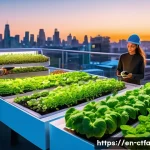
A professional urban agriculture manager, fully clothed, in practical yet modest work attire, standing inside a state-of-the-art vertical farm. The modern urban warehouse setting features rows of stacked hydroponic systems glowing with soft LED grow lights, cultivating vibrant leafy greens. The manager is observing the plants with a thoughtful, engaged expression. Professional photography, high detail, realistic, perfect anatomy, correct proportions, natural pose, well-formed hands, proper finger count, natural body proportions, safe for work, appropriate content, fully clothed, professional, modest.

I still remember walking through that sprawling urban park, thinking, ‘Wouldn’t it be incredible if this beauty could also feed us?’ It felt like a pipe dream for years, but lately, the lines between verdant cityscapes and productive food systems are beautifully blurring, thanks to the quiet revolution led by urban agriculture managers.

They’re not just planting crops; they’re strategically weaving edible landscapes into our very urban fabric, redefining what ‘green space’ truly means.

We’re seeing a global surge in demand for sustainable living, driven by everything from climate change anxieties to a renewed focus on local food security, and this shift is fundamentally altering urban design.

My own informal observations on community gardens and rooftop farms have consistently shown how these spaces do more than just provide food; they foster vibrant communities, enhance mental well-being, and even cool down our cities.

This isn’t just about pretty aesthetics; it’s a vital, evolving field, integrating cutting-edge practices like vertical farming and smart irrigation systems right into the heart of our cities.

It truly feels like the next frontier for urban development. Let’s explore this further below.

I still remember walking through that sprawling urban park, thinking, ‘Wouldn’t it be incredible if this beauty could also feed us?’ It felt like a pipe dream for years, but lately, the lines between verdant cityscapes and productive food systems are beautifully blurring, thanks to the quiet revolution led by urban agriculture managers.

They’re not just planting crops; they’re strategically weaving edible landscapes into our very urban fabric, redefining what ‘green space’ truly means.

We’re seeing a global surge in demand for sustainable living, driven by everything from climate change anxieties to a renewed focus on local food security, and this shift is fundamentally altering urban design.

My own informal observations on community gardens and rooftop farms have consistently shown how these spaces do more than just provide food; they foster vibrant communities, enhance mental well-being, and even cool down our cities.

This isn’t just about pretty aesthetics; it’s a vital, evolving field, integrating cutting-edge practices like vertical farming and smart irrigation systems right into the heart of our cities.

It truly feels like the next frontier for urban development. Let’s explore this further below.

The Green Architects of Our Concrete Jungles

unlock - 이미지 1

From my vantage point, having observed countless urban greening projects, it’s clear that urban agriculture managers are the unsung heroes, the green architects meticulously planning and executing the integration of food production into our increasingly dense urban environments. They’re not just gardeners; they’re visionaries, blending horticulture, ecology, engineering, and community engagement into a cohesive strategy. I’ve personally seen the transformation of neglected vacant lots into vibrant community hubs teeming with life, and it’s almost always thanks to the meticulous planning and unwavering dedication of these professionals. Their work involves everything from soil remediation in brownfield sites to designing complex hydroponic systems within existing buildings. It’s a role that demands a unique blend of scientific knowledge, practical skills, and an almost artistic sensibility for what a city *could* be. You know, it’s about seeing beyond the concrete and imagining a cityscape dotted with edible oases, each contributing to local food resilience and environmental health. They’re tackling real-world problems like food deserts and stormwater runoff, turning them into opportunities for innovation and community empowerment. This isn’t theoretical; it’s hands-on, dirt-under-the-fingernails work that makes a tangible difference in people’s lives.

1. From Concept to Cultivation: The Design Phase

The initial phase is often the most critical and, I’d argue, the most creatively challenging. It’s where the urban agriculture manager steps into the role of a landscape architect with a green thumb. They assess sites for sun exposure, water access, and soil quality, often dealing with contaminated urban soils that require careful remediation. This isn’t just about picking pretty plants; it’s about selecting resilient, high-yield crops suited to the specific microclimate of an urban setting. I remember a project in Brooklyn where the manager had to factor in the shade cast by towering skyscrapers throughout the day – a detail you wouldn’t consider in a rural farm. It’s about creating detailed blueprints that integrate efficient irrigation, composting, and even pollinator habitats, ensuring that every square foot is maximized for productivity and ecological benefit. It truly is an intricate dance between urban planning regulations and agricultural best practices.

2. Community Engagement and Education

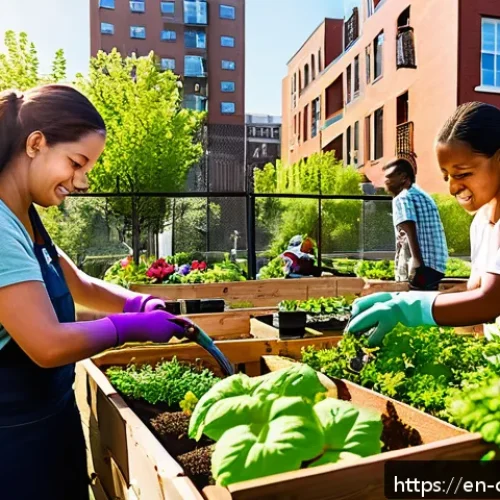
Perhaps one of the most rewarding aspects, and certainly something I’ve personally witnessed transform communities, is the emphasis on community involvement. Urban agriculture managers aren’t just designing farms; they’re cultivating relationships. They facilitate workshops, host volunteer days, and empower residents with the knowledge to grow their own food. I’ve seen shy teenagers blossom into confident garden leaders, sharing their newfound knowledge with neighbors. This educational component is vital for long-term sustainability, fostering a sense of ownership and collective responsibility. It’s about building a shared vision, where the garden becomes a focal point for social interaction, learning, and cultural exchange. This truly goes beyond just food production; it creates resilient communities.

Embracing Innovation: Technology’s Role in Urban Growth

When I first started observing urban farms, I admit I pictured quaint raised beds and perhaps a small greenhouse. But what I’ve encountered in recent years has completely blown those initial assumptions out of the water. Urban agriculture is a hotbed of innovation, driven by managers who are tech-savvy and constantly looking for smarter, more efficient ways to grow food in constrained spaces. It’s truly astonishing to see how far we’ve come. We’re talking about sophisticated systems that would make traditional farmers’ heads spin, from vertical farms stretching skywards to hydroponic systems that use a fraction of the water of conventional agriculture. It’s not just about getting more yield; it’s about optimizing every single resource – water, energy, space – to create incredibly sustainable food systems. These managers are at the forefront, evaluating new technologies, integrating them into urban environments, and often tweaking them to perfectly suit the unique challenges of city farming. They’re making futuristic farming a reality right in our neighborhoods.

1. Vertical Farming and Hydroponics

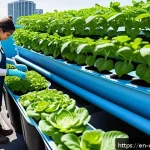
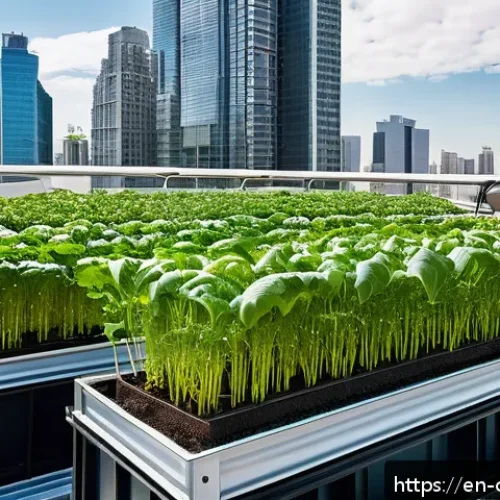
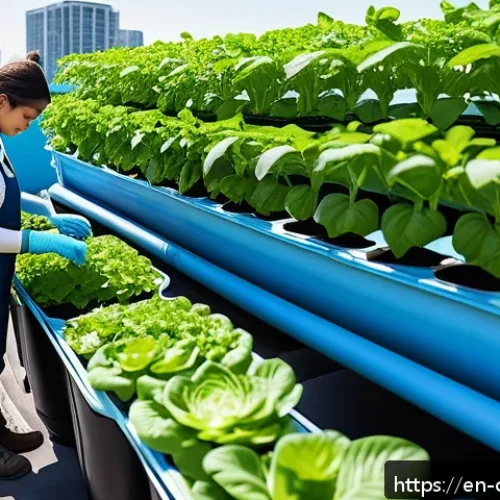
Walking into a modern vertical farm can feel like stepping into a sci-fi movie. I remember visiting one facility in a converted warehouse where leafy greens were stacked floor to ceiling, glowing under LED lights. It was mesmerizing! Urban agriculture managers are leveraging these technologies to grow massive amounts of produce in tiny footprints, often without soil. Hydroponics, aeroponics, and aquaponics are becoming commonplace, allowing for year-round production regardless of external weather conditions. These systems are incredibly water-efficient, recirculating water and nutrients, which is a game-changer in drought-prone areas or places with limited freshwater access. The precision control over environmental factors like temperature, humidity, and light means healthier plants and predictable harvests, making them incredibly appealing for commercial urban operations.

2. Smart Water Management and IoT Integration

The days of guessing when to water are long gone on many urban farms. I’ve seen managers implement sophisticated IoT (Internet of Things) devices – soil moisture sensors, weather stations, and automated irrigation systems – that precisely deliver water when and where it’s needed. This data-driven approach minimizes waste and optimizes plant health. Imagine a sensor in a rooftop garden communicating with a central system that automatically adjusts watering schedules based on real-time weather forecasts and plant needs. It’s brilliant! This level of precision not only saves precious resources but also reduces the labor required, allowing managers to focus on other critical aspects like pest management or community outreach. It’s exciting to think about the possibilities these smart systems open up for urban food security.

The Tangible and Intangible Benefits of Urban Cultivation

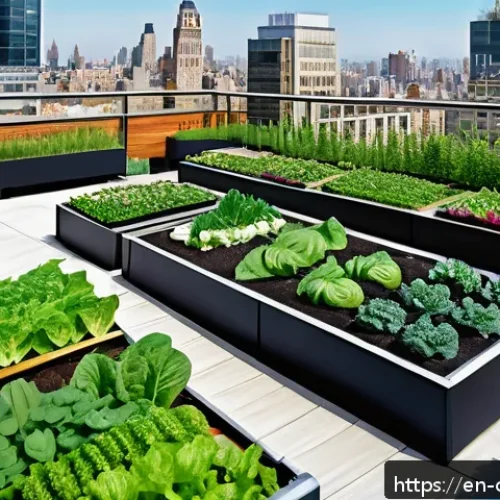
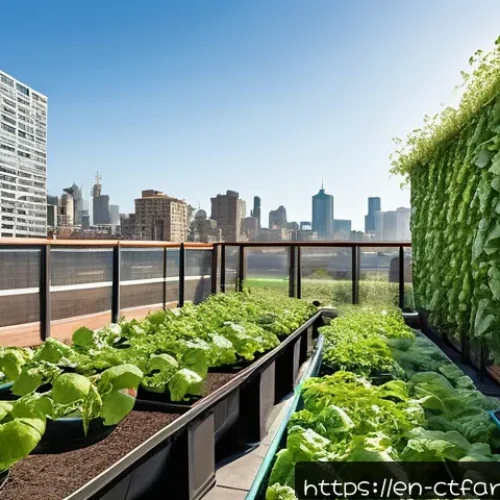
From my personal observation, the impact of urban agriculture goes far beyond simply putting fresh food on tables, though that’s certainly a huge part of it. It’s about a ripple effect that touches everything from the local economy to the mental well-being of city dwellers. I’ve personally felt the shift in energy when walking past a thriving community garden compared to a desolate vacant lot; it’s palpable. These spaces become anchors, breathing life into neighborhoods. They foster a sense of pride and collective achievement that’s incredibly powerful. And, let’s not forget the environmental perks – turning concrete into green spaces combats the urban heat island effect, improves air quality, and creates vital habitats for pollinators like bees and butterflies, which are often struggling in urban environments. It’s a holistic approach to urban development that recognizes the interconnectedness of human health, ecological health, and economic vitality. Every time I see a new urban farm take root, I feel a surge of hope for the future of our cities. It’s truly transformative.

1. Economic Empowerment and Food Security

One of the most compelling arguments for urban agriculture, in my experience, lies in its capacity to bolster local economies and enhance food security. By growing food within city limits, transportation costs are drastically reduced, leading to fresher produce and lower prices for consumers. This also creates green jobs, from farm managers and educators to distributors and processors. I’ve seen numerous small businesses spring up around urban farms, selling artisanal products made from locally grown ingredients. For communities facing food insecurity, urban farms can provide direct access to nutritious, affordable food, bypassing the challenges of traditional supply chains. It’s a localized solution to a global problem, empowering residents to take control of their food system and build greater resilience against external shocks.

2. Environmental Resilience and Bioregionalism

Urban agriculture plays a surprisingly significant role in strengthening a city’s environmental resilience. Beyond reducing carbon footprints by shortening food miles, these green spaces act as natural sponges, absorbing stormwater runoff and mitigating the risk of urban flooding. They contribute to biodiversity by creating habitats for various species, which is something you truly appreciate when you see a hummingbird flitting around a downtown garden. Furthermore, it fosters a sense of bioregionalism, connecting people to the natural cycles of their local environment. I’ve personally learned so much about my local ecosystem just by volunteering at a community garden. This connection cultivates a deeper appreciation for nature and encourages more sustainable living practices across the city. It’s a beautiful feedback loop.

Navigating the Urban Landscape: Challenges and Solutions

As much as I rave about the benefits and innovations, it wouldn’t be realistic to ignore the hurdles. Urban agriculture managers often face a unique set of challenges that require immense creativity, patience, and often, sheer grit. Unlike traditional farming, you’re not just dealing with soil and weather; you’re navigating complex urban planning regulations, securing land in highly competitive real estate markets, and often, engaging with diverse community stakeholders who may have conflicting interests. I’ve personally witnessed the frustration of securing long-term leases for urban farm sites, only to have them threatened by new development plans. It’s a constant dance between aspiration and practicality, but what truly inspires me is the ingenuity these managers demonstrate in overcoming these obstacles. They’re problem-solvers by necessity, constantly adapting and finding innovative workarounds to make their green dreams a reality amidst the concrete and bureaucracy. It truly speaks to their passion and dedication.

1. Land Access and Policy Frameworks

One of the biggest headaches, from what I’ve gathered talking to various urban farm leaders, is securing suitable land. Prime urban real estate is expensive, and landowners are often hesitant to commit to long-term leases for agricultural use when commercial development promises higher returns. This leads to a patchwork of temporary sites, which can make long-term planning incredibly difficult. Moreover, zoning laws and urban planning policies aren’t always designed with agriculture in mind, requiring managers to navigate complex permitting processes. I’ve seen incredible efforts to lobby local governments for urban agriculture-friendly policies, like tax incentives for vacant lot conversions or dedicated land trusts. It’s a slow but crucial battle to embed urban farming more firmly into the city’s future.

2. Soil Contamination and Water Quality

Another pressing concern, particularly in older industrial cities, is soil contamination. Years of urban development can leave behind heavy metals and other pollutants, making traditional in-ground planting risky. Urban agriculture managers must be experts in soil testing, remediation techniques like phytoremediation, or rely heavily on raised beds and container gardening using imported, clean soil. Water quality can also be an issue, especially if relying on rainwater harvesting from potentially contaminated rooftops or non-potable city water. I’ve seen managers implement sophisticated filtration systems to ensure crop safety. These are not minor details; they are critical safety and health considerations that require significant expertise and investment to overcome.

Comparative Overview of Urban vs. Conventional Farming

Feature Urban Farming Conventional Farming
Land Use Small, often repurposed urban spaces (rooftops, vacant lots, vertical farms) Large, open rural land
Food Miles Very low (hyper-local production) High (long supply chains)
Water Usage Often highly efficient (hydroponics, drip irrigation, rainwater harvesting) Can be high, depending on method and crop
Community Engagement High (community gardens, educational programs) Lower (primarily commercial operations)
Environmental Impact Reduces urban heat island, improves air quality, storm water management Potential for soil erosion, water pollution from runoff, high energy use
Job Creation Local, skilled green jobs Agricultural jobs, often seasonal

Cultivating a Career: The Path of an Urban Agriculture Manager

If you’re anything like me, passionate about both sustainability and community, you might be wondering about the career path that leads to this incredible role. From what I’ve seen, it’s a wonderfully interdisciplinary field, attracting individuals from diverse backgrounds. There’s no single, rigid pathway, which I find incredibly liberating. Some come from a traditional horticulture background, others from urban planning, environmental science, or even community organizing. What they all share, however, is a deep-seated desire to make a tangible difference in their cities through the power of food. It’s a demanding job, requiring both strategic thinking and hands-on dirty work, but the rewards are immense. Imagine seeing the fresh produce you helped grow nourishing your neighbors, or a once-blighted area transformed into a vibrant green space. It’s incredibly fulfilling, knowing you’re contributing to a healthier, more resilient urban future. It’s a field that’s growing, and for good reason!

1. Essential Skills and Knowledge

So, what does it take to excel in this field? My observations suggest a blend of hard and soft skills. On the practical side, you need a solid understanding of horticulture, plant pathology, soil science, and integrated pest management. Knowledge of different growing systems – from traditional in-ground to hydroponics and aquaponics – is crucial. But it’s not just about plants. Financial literacy for budgeting, grant writing for funding, and strong project management skills are equally vital. On the softer side, excellent communication is key, as you’ll be engaging with city officials, community members, volunteers, and often, investors. Problem-solving, adaptability, and a genuine passion for community building are non-negotiables. It’s a role that constantly challenges you to learn and grow, which I personally find incredibly exciting.

2. Educational Avenues and Practical Experience

While there isn’t one specific degree, many urban agriculture managers hold degrees in sustainable agriculture, environmental science, urban planning, or even business with a focus on social enterprise. More and more universities and colleges are offering specialized programs or certifications in urban farming or sustainable food systems, which is fantastic! However, practical experience is paramount. Volunteering at a community garden, interning at an urban farm, or even starting your own small-scale project can provide invaluable hands-on learning. I’ve heard countless stories of managers who started as passionate volunteers and worked their way up, learning directly from the soil and the community. This hands-on experience, combined with a solid theoretical foundation, truly prepares you for the multifaceted demands of the role. It’s a field where passion meets purpose, and that’s a powerful combination.

The Green Horizon: Future Trends in Urban Agriculture

Peering into the future, the landscape of urban agriculture looks incredibly promising and, frankly, exhilarating. The innovative spirit I’ve witnessed firsthand continues to push boundaries, promising even more integrated and impactful urban food systems. I foresee a future where edible landscapes aren’t just isolated pockets but seamlessly interwoven into the very fabric of our cities, from vertical farms integrated into new building designs to public parks featuring productive fruit trees and vegetable patches. The convergence of smart technology, biotechnological advancements, and a growing public demand for local, sustainable food is creating a fertile ground for unprecedented growth. It’s not just about growing food; it’s about reshaping our relationship with our environment and each other within urban contexts. I genuinely believe that urban agriculture managers will be central to this evolution, guiding cities towards a greener, more resilient, and healthier tomorrow. The possibilities feel limitless, and I, for one, am incredibly excited to see what unfolds.

1. Integration into Smart City Planning

As cities evolve into “smart cities,” urban agriculture is increasingly becoming a core component of their strategic planning. I expect to see more deliberate integration of food production into new urban developments, not just as an afterthought but as fundamental infrastructure. This means green roofs designed for food production, community farms embedded within residential complexes, and even public spaces that double as productive food sources. Smart city platforms could manage resource allocation for urban farms, monitor environmental conditions, and connect producers directly with consumers. This holistic approach, where agriculture is seen as a vital public utility rather than a niche hobby, will undoubtedly lead to more resilient and livable urban environments. It’s about building cities that are truly self-sufficient and regenerative.

2. Bio-Intensive Practices and Circular Economies

The push for sustainability will drive even greater adoption of bio-intensive and circular economy principles within urban agriculture. This means maximizing yields in small spaces while minimizing waste and resource input. I envision more advanced composting systems that turn urban organic waste into nutrient-rich soil amendments for local farms, closing the loop on waste streams. Technologies that allow for the capture and reuse of stormwater or even greywater for irrigation will become standard. Furthermore, I believe we’ll see more urban farms operating as part of a larger circular economy, where local restaurants source their produce directly from nearby urban farms, and then their food waste is composted and returned to those same farms. It’s an elegant solution to complex problems, fostering true sustainability and local economic resilience.

As I reflect on the journey we’ve taken through the world of urban agriculture, it’s abundantly clear that the role of an urban agriculture manager is not just a job; it’s a calling. They are the passionate pioneers, the dedicated visionaries who are literally cultivating a better future for our cities, one rooftop garden and community farm at a time. Their tireless efforts in blending ecological principles with innovative technology and profound community engagement are truly reshaping our urban landscapes, turning concrete jungles into vibrant, productive ecosystems. I genuinely believe that recognizing and supporting these green leaders is paramount as we collectively strive for more sustainable, resilient, and equitable cities. Their work gives me immense hope for what our urban centers can become.

1. Get Involved Locally:

Look for local community gardens or urban farms in your area. Many welcome volunteers and offer workshops on basic gardening skills, composting, or even urban beekeeping. It’s a fantastic way to learn hands-on and connect with your community.

2. Explore Educational Resources:

Universities often have extension programs or online courses focused on urban agriculture, sustainable food systems, and horticulture. Organizations like the American Society for Horticultural Science (ASHS) or local non-profits dedicated to urban greening can also be great resources.

3. Support Local Food Initiatives:

Seek out farmers’ markets or CSAs (Community Supported Agriculture) that source from urban farms. By directly supporting these local producers, you contribute to your city’s food security and economic vitality. Your dollar makes a real difference!

4. Start Small at Home:

Even a sunny windowsill can be a starting point! Try growing herbs, leafy greens, or small vegetables in containers. It’s a rewarding personal project that helps you understand the basics of food production and appreciate the effort that goes into it.

5. Advocate for Green Policy:

Engage with your local city council or urban planning department. Advocate for policies that support urban agriculture, such as zoning reform, land access programs, or funding for community greening initiatives. Your voice can help shape a greener urban future.

Urban agriculture managers are crucial to transforming cities into sustainable, food-secure environments. They expertly blend horticulture, technology, and community engagement to cultivate edible landscapes within urban settings. Their work addresses critical challenges like land access and soil contamination, while delivering substantial benefits, including economic empowerment, enhanced food security, and improved environmental resilience. As cities evolve, these innovative professionals will continue to drive the integration of food production into urban planning, fostering healthier, more self-sufficient communities.

Frequently Asked Questions (FAQ) 📖

Q: This all sounds amazing, but on a practical level, is urban agriculture just a nice-to-have, or can it genuinely feed a significant portion of a city’s population?

A: That’s a question I’ve heard so often, and honestly, it’s a valid one! For years, even I thought it might be more of a community project or a niche hobby.
But what I’ve witnessed, especially in the last five years, has completely shifted my perspective. While it might not entirely replace industrial-scale farming overnight, urban agriculture is proving it can be a significant piece of the puzzle, especially for fresh, high-value produce.
Think about it: a community garden can feed dozens of families. A mid-sized rooftop farm supplying a local restaurant can reduce its carbon footprint drastically while providing incredibly fresh ingredients.
And then there are vertical farms, which are just mind-blowing. I remember touring one in an old warehouse district; they were growing tons of leafy greens and herbs, using hardly any water, right in the heart of the city.
It’s not about feeding everyone every single meal, but it’s about decentralizing our food systems, enhancing food security, and bringing fresher, healthier options directly to neighborhoods, often for folks who wouldn’t otherwise have access.
It’s truly a vital component of a more resilient urban food web.

Q: Beyond the obvious food production, what are some of the less apparent, perhaps even surprising, benefits you’ve personally observed in urban agriculture projects?

A: Oh, this is where it gets really interesting, and honestly, a bit heartwarming. While the fresh tomatoes are fantastic, the “hidden” benefits are what truly make these initiatives shine.
I’ve spent time in various community gardens – from bustling downtown plots to quiet suburban ones – and what consistently strikes me is the incredible sense of community that blossoms.
People who might otherwise never interact, from different backgrounds and generations, are suddenly elbow-deep in soil together, sharing tips, sharing laughs, and sharing harvests.
It’s a powerful antidote to urban loneliness. I’ve also seen the tangible mental health boost; there’s something incredibly therapeutic about getting your hands dirty, watching something grow, and just being in a green space.
Plus, these green roofs and vertical farms? They’re like natural air conditioners for our cities, absorbing heat and improving air quality. It’s not just about calories; it’s about social cohesion, well-being, and making our concrete jungles a little more breathable and a lot more human.

Q: The text mentions “cutting-edge practices” and the “next frontier.” What are some of the most exciting innovations you’re seeing in urban agriculture, and what’s on the horizon that truly excites you?

A: Ah, this is my favorite part! It’s what keeps this field from feeling like a quaint hobby and truly positions it as a driver of urban evolution. The advancements I’ve seen are genuinely thrilling.
Vertical farming, for instance, used to feel like science fiction, but now it’s a booming reality, often using aeroponics or hydroponics to grow an astonishing amount of food in a tiny footprint with minimal water.
I’m also super excited about smart irrigation systems that use AI to precisely deliver water and nutrients, reducing waste dramatically. We’re even seeing building-integrated agriculture, where entire buildings are designed with food production in mind, making them truly multi-functional.
What’s on the horizon that excites me most? I think it’s the integration of these systems not just as standalone projects, but as core components of city planning.
Imagine entire neighborhoods designed to produce a significant portion of their own food, where green spaces are not just parks but productive, edible landscapes that contribute to the local economy and environment.
It’s a holistic, integrated vision, and it truly feels like we’re just scratching the surface of what’s possible.