Considering a career change or looking to boost your resume? Ever thought about urban agriculture? Turns out, having a certification in urban agriculture management can open doors to some surprisingly fulfilling and stable careers.
From crafting more sustainable community gardens to ensuring local farms are running smoothly and efficiently, the demand for qualified individuals in this field is steadily growing.
It’s not just about plants; it’s about community, sustainability, and innovation. The rise of urban farming initiatives, coupled with a growing awareness of food security, means skilled urban agriculture managers are becoming increasingly valuable.
So, which jobs are particularly well-suited for someone with this certification? Let’s delve deeper and discover exactly what professional paths benefit from an Urban Agriculture Management certification.
Revitalizing Communities: The Role of Urban Agriculture Consultants
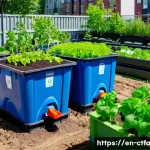
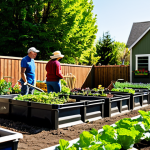
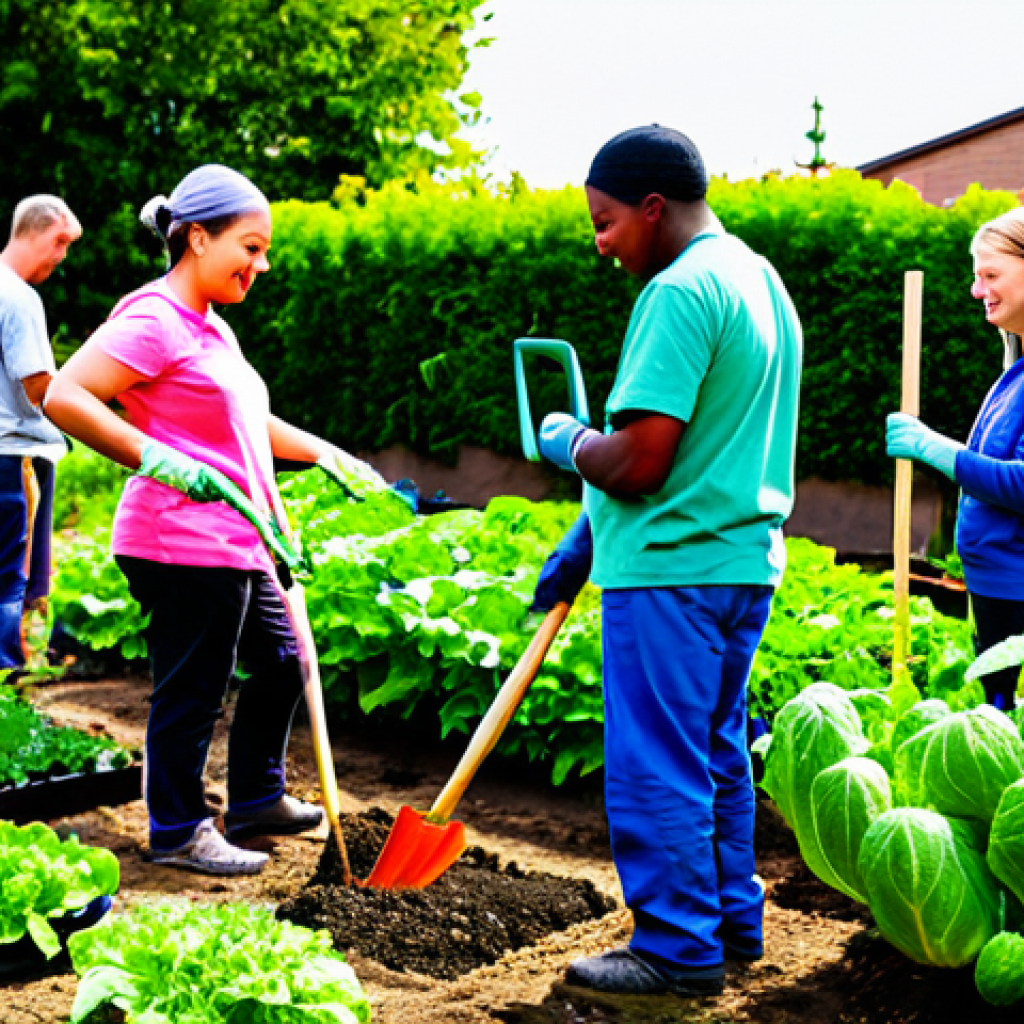
Think of neighborhoods where vacant lots transform into thriving gardens, buzzing with bees and brimming with fresh produce. Urban agriculture consultants are the masterminds behind these transformations.
They’re the experts who come in and assess the feasibility of a project, design the layout, and even train community members in sustainable gardening practices.
I remember seeing a local park transform from a neglected patch of grass into a vibrant community garden, all thanks to a skilled consultant. They didn’t just plant seeds; they planted hope and a sense of ownership in the neighborhood.
They need to understand things like soil health, water management, pest control, and crop selection. But it’s not just about the technical skills; it’s about understanding the community’s needs and creating a space that benefits everyone.
This role is perfect for those who love to problem-solve and enjoy working with people.
Turning Underutilized Spaces into Green Oases
Urban agriculture consultants specialize in turning neglected urban spaces into productive gardens or farms. They assess the site’s potential, considering factors like sunlight, soil quality, and water availability.
Their expertise ensures that every inch of land is optimized for growing food.
Empowering Communities Through Education and Training
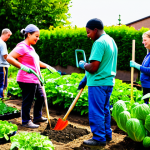
A crucial part of the consultant’s role involves educating community members about sustainable gardening practices. They conduct workshops, provide hands-on training, and share their knowledge to empower individuals to grow their own food.
Becoming a Cultivator: The Urban Farmer’s Path
Have you ever dreamed of leaving the corporate world behind and getting your hands dirty? Becoming an urban farmer might be your calling. It’s not just about growing food; it’s about creating a business that’s both profitable and sustainable.
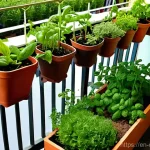
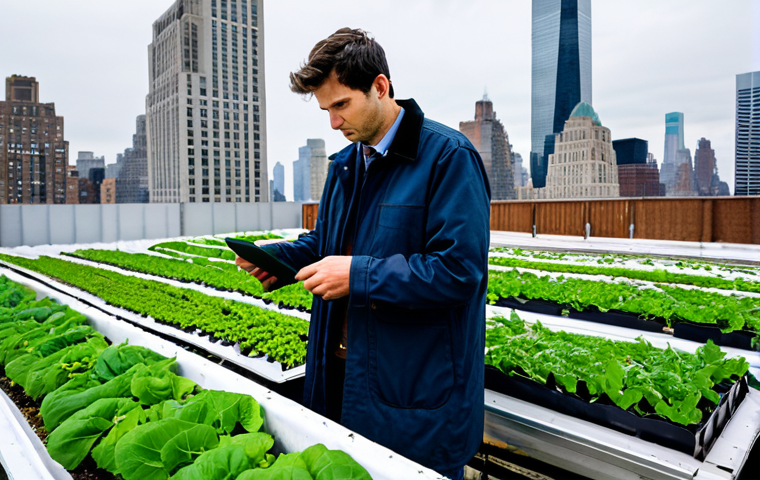
An urban agriculture management certification can give you the skills and knowledge you need to succeed. I’ve met several urban farmers who started with a small rooftop garden and turned it into a thriving business, selling their produce at local farmers’ markets and restaurants.
One farmer I know even started a subscription box service, delivering fresh, organic produce to customers’ doorsteps. The great thing about urban farming is that it can be done on a variety of scales, from small backyard gardens to large-scale rooftop farms.
Managing a Thriving Urban Farm
Urban farmers need to be experts in all aspects of crop production, from soil preparation and planting to pest control and harvesting. They must also manage their resources efficiently, ensuring that they are using water and energy sustainably.
Marketing and Selling Your Urban Harvest
To succeed as an urban farmer, you need to be able to market your products effectively. This means understanding your target market, developing a strong brand, and finding the best channels to sell your produce.
Educating the Next Generation: The Role of Urban Agriculture Educators
With the growing awareness of food security and sustainable living, there’s a greater need for urban agriculture educators. These educators work in schools, community centers, and other settings to teach people about the importance of growing their own food.
It’s not just about the technical aspects of gardening; it’s about fostering a love for nature and a sense of responsibility towards the environment. My local elementary school started an urban garden program, and the kids absolutely love it.
They learn about where their food comes from, how to grow it, and the importance of healthy eating. I have personally volunteered and watched them transform from picky eaters to adventurous foodies.
Developing Urban Agriculture Curricula
Urban agriculture educators create engaging and informative curricula that teach people about the principles and practices of urban farming. They cover topics like soil science, plant propagation, composting, and pest management.
Engaging Students Through Hands-On Learning
Effective urban agriculture educators use hands-on activities to engage students and make learning fun. They might lead gardening projects, conduct taste tests, or organize field trips to local farms.
Ensuring Access to Fresh Produce: The Role of Community Garden Coordinators
Community gardens are vital resources for underserved communities, providing access to fresh, healthy produce and opportunities for social interaction.
Community garden coordinators play a crucial role in managing these gardens and ensuring that they are accessible to everyone. They work with community members to plan, plant, and maintain the garden, and they organize events and workshops to promote healthy eating.
I remember visiting a community garden in a low-income neighborhood and seeing the joy on people’s faces as they harvested their own vegetables. It wasn’t just about the food; it was about the sense of community and empowerment.
They need to be able to build relationships, resolve conflicts, and advocate for the needs of the community.
Building and Maintaining Community Gardens
Community garden coordinators are responsible for all aspects of garden management, from site preparation and soil improvement to planting and harvesting.
They also ensure that the garden is well-maintained and safe for everyone to use.
Promoting Healthy Eating and Food Security
A key goal of community garden coordinators is to promote healthy eating and food security within the community. They organize workshops and events to educate people about nutrition and provide access to fresh, affordable produce.
Driving Innovation in Urban Farming: The Role of Research and Development Specialists
The field of urban agriculture is constantly evolving, with new technologies and techniques being developed all the time. Research and development specialists play a vital role in driving this innovation, conducting experiments, analyzing data, and developing new solutions for urban farmers.
They work in universities, research institutions, and private companies, and their work helps to improve the efficiency, sustainability, and profitability of urban farming operations.
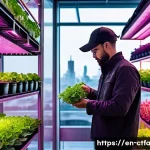
I met a researcher who was developing a new type of vertical farming system that could be used in urban areas with limited space. His work had the potential to revolutionize the way we grow food in cities.
Conducting Urban Agriculture Research
Research and development specialists design and conduct experiments to test new urban farming technologies and techniques. They analyze data, interpret results, and publish their findings in scientific journals.
Developing Innovative Urban Farming Solutions
A key part of the role involves developing new solutions for urban farmers, such as improved irrigation systems, pest control methods, and crop varieties.
They work closely with farmers to understand their needs and develop solutions that are practical and effective.
Working with the Government: Urban Agriculture Policy Advisors
As urban agriculture gains traction, government agencies increasingly need experts to guide policy and regulations. Urban Agriculture Policy Advisors are key in shaping the landscape, ensuring that urban farming is integrated effectively into city planning.
They work with local and national governments to create incentives, zoning laws, and programs that support urban agriculture. I attended a town hall meeting where an advisor was instrumental in convincing the city council to allocate funding for community gardens.
Their expertise not only secured the funds but also fostered a collaborative relationship between urban farmers and local government.
Shaping Local Food Policies
Urban Agriculture Policy Advisors are actively involved in crafting policies that promote local food production. This can include lobbying for tax breaks for urban farms, advocating for changes in zoning laws to allow for more urban agriculture, and developing grant programs.
Facilitating Public-Private Partnerships
One of the critical roles is to foster partnerships between public and private entities. These partnerships can help secure funding, resources, and expertise to support urban agriculture initiatives.
Maximizing Yields: Crop Management Specialists
Optimizing crop yield is essential for the success of any urban farm. Crop Management Specialists are the experts who use their knowledge of plant science, soil health, and environmental conditions to help farmers maximize their yields while minimizing resource use.
They analyze soil samples, monitor weather patterns, and advise farmers on the best planting and harvesting practices. I remember visiting an urban farm where a crop management specialist had implemented a soil testing program.
As a result, the farm saw a 30% increase in yields in just one season.
Implementing Crop Rotation Strategies
Crop rotation is a fundamental technique for maintaining soil health and preventing pest and disease outbreaks. Crop Management Specialists develop tailored crop rotation strategies that maximize yield and minimize environmental impact.
Managing Pests and Diseases
Effective pest and disease management is critical for maintaining healthy crops. Specialists employ integrated pest management (IPM) strategies that prioritize natural and biological controls over chemical pesticides.
| Career Path | Typical Responsibilities | Skills Enhanced by Urban Agriculture Management Certification |
|---|---|---|
| Urban Agriculture Consultant | Site assessment, garden design, community training | Technical knowledge of soil, water, and crop management; community engagement skills |
| Urban Farmer | Crop production, resource management, marketing and sales | Business acumen, sustainable farming practices, market knowledge |
| Urban Agriculture Educator | Curriculum development, hands-on learning, community outreach | Teaching methodologies, knowledge of urban farming principles, communication skills |
| Community Garden Coordinator | Garden maintenance, volunteer management, promotion of healthy eating | Community building, problem-solving, organizational skills |
| Research and Development Specialist | Experiment design, data analysis, development of new solutions | Scientific research skills, analytical thinking, innovation |
| Urban Agriculture Policy Advisor | Policy development, stakeholder engagement, advocacy | Policy analysis, negotiation, understanding of regulatory frameworks |
| Crop Management Specialists | Yield optimization, pest and disease management, resource conservation | Agronomy, soil science, integrated pest management |
Revitalizing communities is a multifaceted endeavor, and it’s truly inspiring to see individuals dedicating their careers to this important work. Whether you’re drawn to the practical aspects of urban farming, the educational component, or the policy-making arena, there’s a place for you in this growing field.
Remember, it’s about more than just growing food; it’s about nurturing communities and creating a more sustainable future.
In Closing
Exploring these varied roles within urban agriculture reveals a path of rewarding opportunities. From revitalizing neglected urban spaces to empowering communities through education and sustainable practices, each role plays a vital part in fostering a more sustainable future. Embrace the opportunity to get involved, to learn, and to contribute your unique skills to this vital movement. The future of our cities, and our planet, depends on it.
Good to Know
1. Local Seed Banks: Explore local seed banks for varieties adapted to your regional climate. These seeds often require less water and are more resistant to local pests.
2. Composting Resources: Many cities offer free composting workshops and discounted composting bins to residents. Check your local government’s website for information.
3. Farmers’ Market Opportunities: Research local farmers’ markets as potential outlets for selling your urban farm produce. Many markets offer affordable vendor fees and provide a direct connection with consumers.
4. Community Garden Grants: Look into grant programs offered by local organizations and foundations that support community garden initiatives. These grants can provide funding for tools, seeds, and infrastructure improvements.
5. Online Urban Farming Communities: Join online forums and social media groups dedicated to urban farming. These communities offer a wealth of information, advice, and support from experienced urban farmers.
Key Takeaways
Diverse Career Paths: Urban agriculture offers varied roles, from consulting and farming to education and policy.
Community Impact: These careers are crucial for revitalizing communities, promoting healthy eating, and fostering sustainability.
Continuous Learning: The field requires continuous learning and adaptation to new technologies and techniques.
Frequently Asked Questions (FAQ) 📖
Q: I’m passionate about gardening, but is an Urban
A: griculture Management certification worth the investment in terms of career opportunities? A1: Absolutely! I get why you’re asking.
I was in the same boat a few years back, loving my backyard garden but wondering if it could be more than just a hobby. After getting certified, it totally changed my perspective.
I landed a gig helping manage a rooftop farm that supplies produce to local restaurants – something I never thought possible. The certification isn’t just about knowing how to grow things; it’s about understanding the business side, the community engagement, and the sustainable practices that make urban agriculture viable.
It definitely opened doors I didn’t even know existed, and honestly, the pay is a lot better than I expected! Think about it, cities are only getting more crowded and the demand for local, sustainable food is skyrocketing.
Businesses want someone who knows their stuff.
Q: What specific job titles can I expect to qualify for with this certification, and what’s the earning potential?
A: That’s the million-dollar question, right? Okay, so think beyond just “farmer.” With a certification, you could be looking at roles like Urban Farm Manager, Community Garden Coordinator, Sustainable Agriculture Consultant, or even working in educational outreach for urban farming initiatives.
I know someone who’s a Food Systems Planner for their city now, helping shape local food policies. Earning potential varies quite a bit depending on location and experience, but generally, you can expect to start somewhere around $40,000-$50,000 USD per year, and with experience and specialized skills (like hydroponics or vertical farming), you can easily break into the $70,000+ range.
Of course, starting your own urban farming business is always an option, and the sky’s the limit there!
Q: How does this certification differ from a traditional agricultural degree, and is it really necessary for someone already experienced in gardening?
A: That’s a smart question to ask. While a traditional agricultural degree provides a broader foundation, an Urban Agriculture Management certification focuses specifically on the unique challenges and opportunities of growing food in urban environments.
Think about it: space is limited, you’re dealing with different regulations, and community engagement is paramount. Plus, you learn about innovative techniques like vertical farming, aquaponics, and using repurposed spaces.
Even if you’re already a seasoned gardener, the certification gives you the credibility and business acumen needed to take your passion to the next level.
For example, I had a ton of gardening experience, but the certification taught me about things like grant writing, marketing strategies, and navigating local zoning laws – stuff I never even considered before, but vital for success in this field.
It’s like getting a focused MBA for urban farming!
📚 References
Wikipedia Encyclopedia
구글 검색 결과
구글 검색 결과
구글 검색 결과
구글 검색 결과
구글 검색 결과