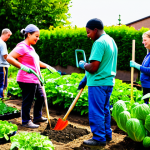
Hey there, fellow green thumbs and aspiring urban farmers! Have you ever stared at your grocery bill, wondering if there’s a better way to get fresh, healthy produce without breaking the bank?
Or maybe, like me, you’ve dreamt of that satisfying feeling of harvesting your own food, even if your “farm” is just a small balcony or a sunny windowsill.
I totally get it! I used to think growing my own organic food in the middle of the city was a pipe dream, but diving into the world of urban farming and mastering organic techniques has completely transformed my perspective – and my kitchen!
It’s more than just a hobby; it’s a powerful movement towards sustainable living, healthier eating, and even building stronger communities. With concerns about food origins and environmental impact on the rise, people everywhere are rediscovering the joy and benefits of homegrown produce.
Imagine fresh, chemical-free greens, juicy tomatoes, or fragrant herbs, all cultivated by your own hands, just steps away. It’s not only incredibly rewarding but also a fantastic way to reconnect with nature, learn new skills, and even save a little cash.
I’ve personally experienced the magic of turning a neglected corner into a thriving edible oasis, and let me tell you, the taste of your own organic harvest is truly incomparable.
Ready to unlock the secrets to becoming a successful urban farmer and mastering the art of organic cultivation? Let’s dive right in and discover how you can make it happen!
Getting Started: Your First Steps into Urban Edibles
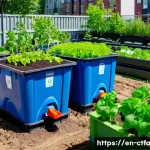
Okay, so you’ve caught the urban farming bug – fantastic! I remember feeling a mix of excitement and a little overwhelm when I first started. The biggest question I had was, “Where do I even begin?” My best advice is to start small and observe. Don’t try to transform your entire apartment into a jungle overnight. Look around your space; where does the sun hit? For how long? Most edible plants, especially the ones that give you fruit (like tomatoes, peppers, and berries), absolutely crave at least 6-8 hours of direct sunlight a day. Leafy greens and many herbs can tolerate a bit less, around 4-6 hours, but more is always better. I’ve personally seen a huge difference in my basil’s vigor when it moved from a partially shaded spot to a full-sun windowsill. Once you’ve identified your sunniest spots, you can start thinking about what kind of containers you’ll need. Recycled buckets, old storage bins, fabric grow bags – pretty much anything that can hold soil and has drainage holes can become a planter. Don’t be afraid to get creative; I once used an old laundry basket lined with burlap for a surprisingly successful potato harvest!
Finding Your Green Corner: Sun, Space, and Senses
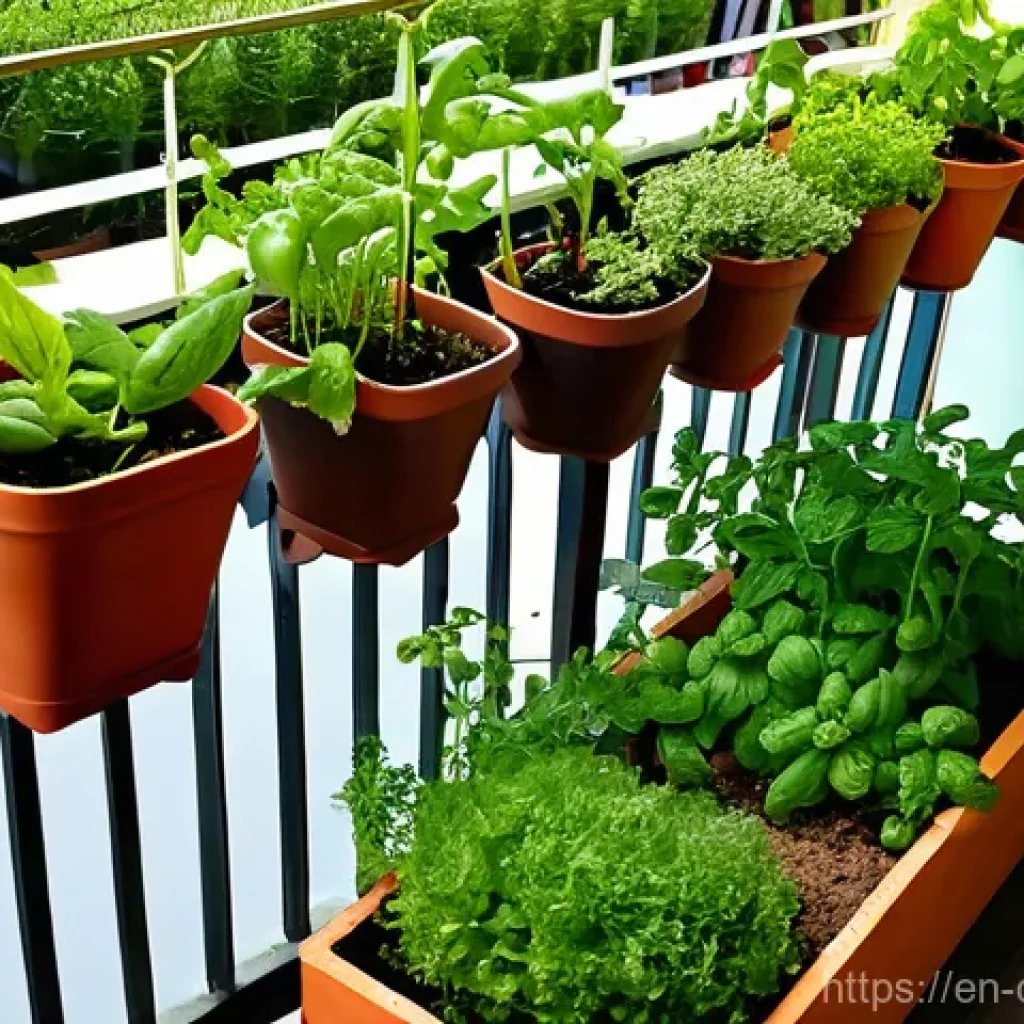
Before you even think about buying seeds or seedlings, take a good, hard look at your available real estate. Balconies, patios, fire escapes (check local regulations!), rooftops (with landlord permission, of course), windowsills, and even sunny corners of a room can be prime growing spots. It’s not just about the light; consider accessibility. Will you be able to reach your plants easily for watering, harvesting, and pest checks? I made the mistake once of putting a large container in a hard-to-reach corner, and let me tell you, daily watering became a real chore! Also, think about the weight. Soil-filled containers can get heavy, so ensure your chosen spot can support the load. For smaller spaces, vertical gardening solutions – like stacked planters or wall-mounted pockets – are absolute game-changers. I’ve transformed a bland wall into a vibrant herb garden using a simple vertical planter, and it not only looks amazing but also keeps my fresh herbs literally at arm’s reach while cooking.
Picking Your First Plants: Easy Wins for Urban Growers
To avoid early discouragement, pick plants known for their resilience and high yield in containers. Trust me, nothing beats the feeling of a successful first harvest! My go-to recommendations for beginners are leafy greens like lettuce, spinach, and Swiss chard, which grow quickly and can be harvested repeatedly. Herbs like basil, mint, chives, and cilantro are also incredibly forgiving and add so much flavor to your cooking. Cherry tomatoes, bush beans, radishes, and even some varieties of peppers are also excellent choices for container growing. I’ve had incredible success with ‘Tiny Tim’ tomatoes on my balcony, and they produce an abundance of sweet, bite-sized fruit all summer long. Remember to choose compact or “bush” varieties for vegetables, as they are bred to thrive in smaller spaces. Don’t be shy about starting with seedlings from a local nursery if you’re nervous about seeds; it gives you a head start and a better chance of success right out of the gate.
Soil Secrets: Building the Foundation for Thriving Plants
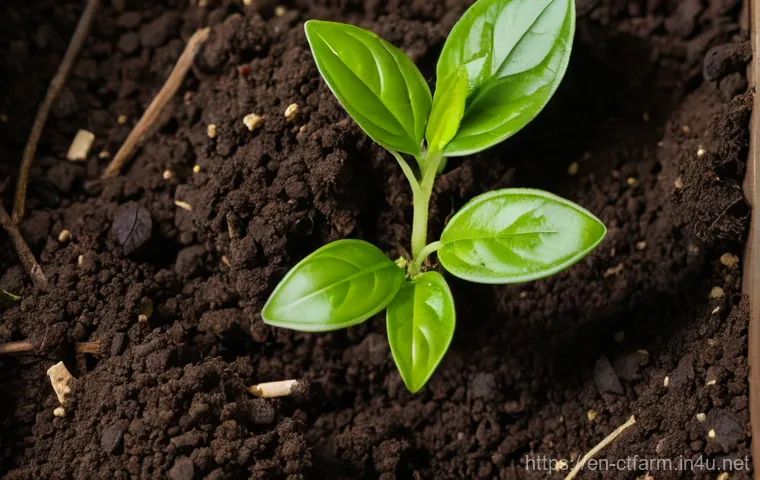
Think of soil not just as dirt, but as the living, breathing heart of your garden. This is where so many urban farming journeys either flourish or falter. I learned this the hard way when I first started, using cheap, generic potting mix and wondering why my plants looked so sad. What I didn’t realize then was that good soil is teeming with microbial life, acting as a complex ecosystem that feeds your plants naturally. For organic urban gardening, a high-quality organic potting mix is non-negotiable. Look for mixes that contain compost, worm castings, and perlite or vermiculite for drainage. Avoid anything with chemical fertilizers or pesticides. My personal secret weapon? I love to mix in some aged compost from my own compost bin – it’s like giving my plants a gourmet meal! Healthy soil ensures strong root development, better nutrient absorption, and increased resistance to pests and diseases, which means less work for you in the long run. Investing in good soil truly pays off in bountiful, healthy harvests.
The Magic of Living Soil: Beyond Just Dirt
When we talk about “living soil,” we’re really talking about a vibrant, interconnected community of microorganisms – bacteria, fungi, protozoa, and nematodes – all working together to break down organic matter and make nutrients available to your plants. It’s truly fascinating! In containers, it’s easy for soil to become compacted or depleted, so maintaining this microbial life is crucial. I like to “feed” my soil regularly with organic matter. This could be a top dressing of compost, a handful of worm castings, or even a diluted liquid seaweed extract. These amendments aren’t just giving nutrients to the plants; they’re feeding the beneficial microbes in the soil, which in turn benefit the plants. I’ve noticed a remarkable difference in plant vigor and pest resistance since I started prioritizing soil health over just adding chemical fertilizers. My tomatoes, for example, developed a deeper, richer flavor when grown in truly living soil. It’s a holistic approach that truly mirrors nature’s design.
Composting Like a Pro: Your Kitchen Scraps, Your Garden’s Gold
One of the most empowering things I ever did for my urban garden was start composting. It feels amazing to turn kitchen scraps and yard waste that would otherwise go to landfill into rich, nutrient-dense compost for my plants. It’s a closed-loop system that reduces waste and provides free, high-quality soil amendment. You don’t need a huge backyard to compost; there are many excellent indoor and small-space composting solutions. I use a simple vermicomposting (worm composting) bin on my balcony, and those little red wigglers are incredible! They munch through my fruit and veggie scraps, coffee grounds, and even shredded paper, producing the most amazing “black gold” – worm castings – which are packed with nutrients. If worms aren’t your thing, a small tumbler composter can work wonders. The key is a good mix of “greens” (nitrogen-rich like food scraps) and “browns” (carbon-rich like dried leaves or cardboard) and keeping it moist but not soggy. Trust me, once you start seeing your plants thrive on your homemade compost, you’ll feel like a true gardening wizard!
Smart Watering & Feeding: Nurturing Your Green Babies
Watering seems straightforward, right? Just add water! But in urban container gardening, it’s actually one of the trickiest parts to get right. Too much, and you drown your roots; too little, and your plants wilt away. I’ve killed my fair share of plants with both over and under-watering in my early days. The key is to understand that container plants dry out much faster than those in the ground, especially on hot, windy balconies. I always check the soil moisture with my finger – if it feels dry about an inch or two down, it’s time to water. But don’t just sprinkle a little on top! You want to water deeply until you see it draining from the bottom of the pot. This encourages roots to grow downwards, making the plant more resilient. Early mornings are usually the best time to water, as it minimizes evaporation and allows the leaves to dry before nightfall, reducing the risk of fungal diseases. I’ve also found that a good layer of organic mulch, like straw or wood chips, on top of the soil really helps retain moisture and keeps soil temperatures more consistent, which is a big win for busy urban gardeners.
Hydration Hacks: Watering Wisely in the City
Efficiency is key when you’re watering a collection of containers. Hand-watering each pot can become a time sink, especially during a heatwave. I’ve experimented with several methods over the years. For my larger containers and raised beds, I’ve set up a simple drip irrigation system connected to my outdoor spigot, which has been a lifesaver. It delivers water directly to the root zone, minimizing waste and ensuring consistent hydration. For smaller pots, self-watering planters or Ollas (unglazed terracotta pots buried in the soil that slowly release water) are fantastic. I particularly love Ollas for my herbs; they keep the soil consistently moist without me having to remember daily. If you’re using conventional pots, grouping similar plants together can create a microclimate that helps retain humidity. Also, consider the material of your pots – terracotta pots are beautiful but porous, meaning they’ll dry out faster than plastic or glazed ceramic. Understanding these nuances can save you a lot of grief and ensure your plants stay happy and hydrated.
Feeding Your Plants Organically: DIY Nutrients They’ll Love
While good soil provides a strong foundation, container plants, especially heavy feeders like tomatoes and peppers, will eventually use up the available nutrients. This is where organic feeding comes in. Forget the harsh chemical stuff; there are so many natural ways to give your plants a boost. My absolute favorite is a weekly “compost tea” made by steeping a bag of finished compost in water for a day or two. It’s packed with beneficial microbes and gentle nutrients. Liquid seaweed or fish emulsion are also fantastic all-purpose organic fertilizers that give a quick boost of micronutrients. I personally use a rotation, feeding with compost tea one week and liquid seaweed the next. Don’t forget about “side dressing” – adding a handful of worm castings or fresh compost around the base of your plants every few weeks. This slow-release method continually enriches the soil. I’ve noticed that when I feed my plants regularly with these organic concoctions, their leaves are greener, the blooms are more abundant, and the harvests are significantly larger and tastier. It’s truly rewarding to see the immediate positive response from my plants.
Pest Patrol: Organic Ways to Keep Critters Away
Ah, pests – every gardener’s nemesis, right? But in the organic urban garden, we don’t reach for the chemical spray. Instead, we aim for balance. I’ve had my battles with aphids, spider mites, and even the occasional slug on my balcony. My first instinct used to be panic, but I’ve learned that most pest issues can be managed naturally and effectively without resorting to harmful substances that could contaminate my food. A healthy plant in healthy soil is naturally more resistant to pests, so all those efforts in good soil and proper feeding really pay off here. Regular scouting is your best friend. Every day or two, give your plants a quick once-over. Check the undersides of leaves, look for tiny holes, or any unusual sticky residue. Catching a pest problem early makes it so much easier to manage. My top organic trick is a strong blast of water from the hose to dislodge aphids – it’s surprisingly effective! I also regularly wipe down the leaves of my plants, especially those susceptible to spider mites, with a damp cloth.
Natural Defenders: Inviting Beneficial Insects
This is where urban gardening truly feels like a tiny ecosystem. Instead of trying to eradicate every insect, we want to create an environment that attracts beneficial insects – the good guys who prey on the bad guys. Ladybugs, lacewings, and hoverflies are nature’s pest control agents, and they love a diverse garden with plenty of flowers. I’ve started planting specific “companion plants” known to attract these helpful predators. For instance, dill, cilantro (when it goes to flower), and calendula are fantastic for drawing in ladybugs and lacewings. I remember one season when aphids were getting out of control on my kale, and within a week of my dill flowering nearby, I saw a huge increase in ladybugs, and they cleaned up the aphid problem like magic! It’s a wonderful feeling to watch nature do its work. By creating a welcoming habitat for these beneficial insects, you’re not just fighting pests; you’re building a healthier, more resilient garden that requires less intervention from you.
DIY Pest Remedies: Kitchen Cabinet Solutions
For those times when the beneficial insects need a little backup, or for specific localized outbreaks, there are several organic remedies you can whip up right in your kitchen. Neem oil is a fantastic broad-spectrum organic pesticide that works by disrupting insect growth and feeding. I keep a bottle on hand and mix it with a little soap and water for spraying. For soft-bodied insects like aphids and spider mites, a simple insecticidal soap spray (a few drops of mild dish soap mixed with water) can be incredibly effective. Just make sure to test it on a small area of the plant first to ensure it doesn’t cause any damage. And for slugs and snails, a shallow dish of beer placed near your plants acts as a tempting trap – they crawl in and drown. I’ve used all of these methods with great success, and the peace of mind knowing I’m not spraying harsh chemicals on my edibles is priceless. It’s all about being observant and having a few natural tricks up your sleeve.
| Pest Type | Common Organic Solutions | Best Practices |
|---|---|---|
| Aphids | Neem oil spray, insecticidal soap, strong water blast, beneficial insects (ladybugs, lacewings) | Inspect regularly, physically remove small infestations, plant companion flowers. |
| Spider Mites | Neem oil spray, insecticidal soap, consistent leaf wiping, increasing humidity | Check undersides of leaves, mist plants, remove infected leaves promptly. |
| Slugs & Snails | Beer traps, hand-picking, copper tape barriers, diatomaceous earth | Remove hiding spots, water in the morning, create physical barriers. |
| Cabbage Worms | Hand-picking, row covers, BT (Bacillus thuringiensis) spray | Inspect kale/cabbage family plants, remove caterpillars, use physical barriers. |
Harvesting & Beyond: Enjoying Your Bountiful Yield
This is it – the moment you’ve been dreaming of since you planted that first seed! Harvesting your own organic produce is one of the most satisfying experiences an urban gardener can have. The flavor of a sun-warmed tomato picked fresh from your balcony plant, or the intense aroma of basil snipped just moments before going into your pesto, is truly incomparable to anything you’ll find in a grocery store. But knowing *when* and *how* to harvest can make a huge difference in both the taste and the longevity of your plants. My general rule of thumb is to harvest regularly. For leafy greens, this means picking the outer leaves first, allowing the inner leaves to continue growing. For herbs, frequent tip-pruning encourages bushier growth and prevents them from going to seed too quickly. I always keep a pair of sharp snips or scissors handy, as a clean cut is better for the plant than tearing or yanking. Don’t be shy; the more you harvest from many plants, the more they often produce!
The Sweet Reward: When and How to Harvest
Each plant has its own optimal harvesting time, and getting it right ensures the best flavor and prevents plants from becoming exhausted. For cherry tomatoes, I wait until they are fully red and easily detach from the vine with a gentle tug. Bell peppers are ready when they reach their full size and have a firm, vibrant color. Zucchini and cucumbers are best picked when they are still relatively small and tender – if you let them get too big, they can become seedy and less flavorful. I learned this the hard way with a monstrous zucchini that was more wood than vegetable! For herbs like basil or mint, aim to harvest before they flower, as flowering can make the leaves bitter. Pinch off the top sets of leaves and stems to encourage branching. With leafy greens, continuous harvesting of the outer leaves allows for a prolonged season of fresh salads. Pay attention to your plants; they’ll often tell you when they’re ready with their size, color, and firmness. Don’t be afraid to taste-test a small piece to check for ripeness!
Beyond the Bowl: Preserving Your Urban Bounty
Sometimes, your urban garden might surprise you with an abundance, especially during peak season! It’s a wonderful problem to have, and there are many ways to make that fresh goodness last beyond just immediate consumption. I’ve become quite adept at preserving my harvest. For herbs, I love to chop them finely and freeze them in ice cube trays with a little olive oil or water – perfect for winter cooking. Basil also makes amazing pesto that freezes beautifully. Excess tomatoes can be roasted and turned into a rich sauce or salsa, which can then be canned or frozen. Dehydrating is another fantastic option for herbs, cherry tomatoes, or even thinly sliced zucchini chips. I even jarred my own dilly beans one year, and they were a huge hit at a potluck! Experimenting with preservation methods not only extends the enjoyment of your homegrown food but also significantly reduces food waste. It’s truly empowering to look at your pantry and see jars and bags filled with the literal fruits (and vegetables!) of your labor.
Year-Round Green: Extending Your Growing Season
One of the biggest joys of urban gardening is trying to push the boundaries of the seasons. Just because the temperatures start to drop doesn’t mean your gardening has to stop! I used to mourn the end of summer harvests, but I’ve discovered so many ingenious ways to keep fresh produce coming, even through the cooler months. It’s all about providing a little extra protection and choosing the right cold-hardy varieties. Imagine having fresh greens for your salads in November, or harvesting a crisp radish in early spring before anyone else’s garden has even woken up! This is totally achievable, even in a small urban space. My first foray into season extension was a simple DIY cold frame, and I was absolutely amazed at how well it worked. It captured the sun’s warmth and protected my lettuce and spinach from early frosts, giving me several extra weeks of harvest. Don’t let the cooler weather intimidate you; embracing these techniques opens up a whole new world of year-round gardening possibilities!
Beating the Chill: Simple Season Extenders
Cold frames are essentially mini-greenhouses that sit over your plants. You can easily make one from old window panes or clear plastic sheeting over a wooden frame. I have a small one on my balcony that gets excellent sun exposure, and it’s perfect for extending the life of my hardy greens like spinach, kale, and even some root vegetables. Another simple trick is using “row covers” – lightweight fabric that you drape over your plants to protect them from frost while still allowing light and water through. For individual plants, even an overturned plastic milk jug with the bottom cut out can act as a mini cloche, offering protection during unexpected cold snaps. I’ve also had success moving my more tender plants, like small pepper plants, indoors or into a sheltered corner of my balcony during colder nights. It requires a little vigilance, but the reward of fresh, homegrown produce when everything else is dormant is absolutely worth the effort.
Bringing the Garden Indoors: Microgreens and Herbs
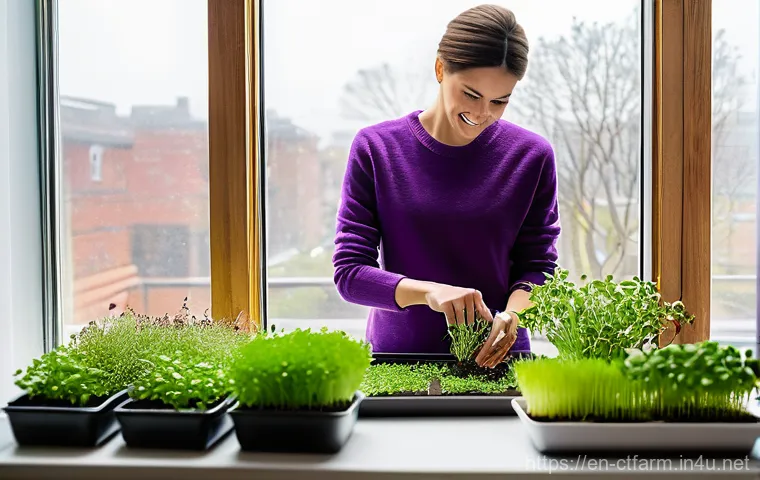
When outdoor growing becomes truly impossible due to deep winter, you don’t have to give up entirely! Indoor gardening offers a fantastic alternative for year-round fresh food. My absolute favorite winter garden project is growing microgreens. They’re super quick (harvest in 7-14 days!), incredibly nutritious, and don’t require much space or fancy equipment. All you need is a shallow tray, some good potting mix, seeds (broccoli, radish, and kale microgreens are my go-tos), and a sunny windowsill or a simple grow light. The flavor of fresh microgreens in the dead of winter is such a mood booster! Many herbs also thrive indoors on a sunny windowsill. Basil, mint, rosemary, and chives are all excellent candidates. I keep a dedicated grow light for my indoor herb garden, especially during the darker winter months, and it ensures they stay vibrant and productive. There’s something incredibly comforting about walking into my kitchen and snipping fresh herbs from my indoor plants, even when there’s snow on the ground outside. It truly keeps the gardening spirit alive all year long.
My Favorite Tried-and-True Organic Practices
After years of cultivating my urban patch, I’ve developed a few core organic practices that I swear by. These aren’t just theoretical tips; they’re strategies I’ve personally used and seen incredible results from. One of my absolute mainstays is companion planting. This involves strategically placing different plant species together that benefit each other. For example, planting marigolds near my tomatoes helps deter nematodes and other pests, while basil planted next to tomatoes is said to enhance their flavor (and I swear it works!). Another dynamic duo is nasturtiums and brassicas – the nasturtiums act as a trap crop for aphids, drawing them away from my kale and broccoli. It’s like having a tiny, natural defense system working tirelessly in your garden, and it truly makes a difference in reducing pest pressure without any chemicals. I love how it turns my garden into a more complex and resilient ecosystem, requiring less intervention from me while also producing more vibrant and healthier plants.
Watering with Purpose: Beyond Just Moisture
I’ve touched on watering, but I really want to emphasize watering with intention. For organic growers, this isn’t just about keeping plants alive; it’s about nurturing the entire soil ecosystem. I always aim for deep, infrequent watering rather than shallow, frequent sprinkles. Why? Because deep watering encourages plant roots to grow further down into the soil, seeking out moisture and nutrients. This makes the plant much more resilient to dry spells and stronger overall. Shallow watering, on the other hand, keeps roots near the surface, making them vulnerable and dependent on daily top-ups. I’ve personally seen my plants, especially my larger fruit-bearing ones, become much more drought-tolerant and robust when I committed to deep watering. It also helps wash nutrients down into the root zone where they are most needed. My personal ritual is to water thoroughly until I see a little drainage, then wait until the top inch or two of soil is dry again before the next deep drink. It’s a simple change that yields significant results.
Embracing Biodiversity: More Than Just Veggies
One of the biggest lessons I’ve learned in my urban gardening journey is the importance of biodiversity. It’s tempting to just grow all the vegetables you want to eat, but a truly thriving organic garden includes a mix of edibles, herbs, and flowers. Flowers, especially native ones or those known to attract pollinators and beneficial insects, are absolutely crucial. Think about it: without pollinators, many of your fruiting vegetables (like tomatoes, peppers, and beans) won’t produce. And without beneficial insects, you’ll be fighting pest battles on your own. I always make sure to intersperse flowers like calendula, borage, and cosmos among my vegetable plants. Not only do they bring beauty and cheer to my urban space, but they also create a vibrant, healthy ecosystem that supports my organic growing efforts. It’s a joy to watch bees and butterflies flitting between my basil and my marigolds, knowing they’re all playing a vital role in the health and productivity of my little urban farm. It transforms a simple growing space into a bustling, living sanctuary.
글을 마치며
Well, there you have it, friends! My hope is that this deep dive into urban organic gardening has sparked a little extra green thumb excitement within you.
It’s truly a journey of learning, experimenting, and connecting with nature right in the heart of the city. Don’t feel pressured to get everything perfect from day one; every seasoned gardener has had their share of wilting plants and unexpected pest outbreaks.
The real joy comes from the process, the small daily victories, and eventually, the incredible flavor of your very own homegrown produce. So, take a deep breath, pick a sunny spot, and just start.
You’ve got this, and I promise you, the rewards are absolutely priceless!
알아두면 쓸모 있는 정보
1. Choose the Right Spot: Before anything else, observe your space for sunlight. Most edibles need at least 6-8 hours of direct sun daily. Identify your sunniest balcony, windowsill, or patio spot before buying any plants or seeds.
2. Invest in Quality Organic Soil: This isn’t just dirt; it’s the living foundation of your garden. A high-quality organic potting mix, enriched with compost and worm castings, provides the vital nutrients and microbial life your plants need to thrive, leading to healthier, more resistant growth.
3. Master Deep, Infrequent Watering: Container plants dry out faster, but consistent, deep watering encourages strong root development. Check the soil an inch or two down; if it’s dry, water thoroughly until it drains from the bottom. Avoid frequent, shallow sprinkles.
4. Embrace Organic Pest Management: Forget chemicals. Focus on building a healthy ecosystem by attracting beneficial insects with companion flowers like marigolds and dill. For outbreaks, use natural remedies like neem oil, insecticidal soap, or a strong blast of water.
5. Harvest Regularly for Continuous Yields: Don’t be shy! Frequent harvesting, especially for leafy greens and herbs, signals the plant to produce more. Knowing when and how to pick your produce ensures the best flavor and extends your growing season considerably.
중요 사항 정리
Urban organic gardening, as I’ve come to know it, is less about rigid rules and more about nurturing a resilient, living system right where you are. It truly begins with a mindful approach to your available space, seeking out those sun-drenched corners that will fuel your plants.
From there, the foundation is built on truly understanding and nourishing your soil—treating it as a vibrant ecosystem rather than just inert dirt. I’ve personally seen the transformative power of investing in good, organic potting mix and regularly amending it with homemade compost, leading to plants that are not only more robust but also more flavorful.
Equally critical is learning the art of smart watering, ensuring deep hydration that encourages strong root systems capable of weathering the ups and downs of city life.
When pests inevitably show up, as they always do, my years of experience have taught me that organic solutions and inviting beneficial insects into your space are far more effective, and certainly more rewarding, than reaching for harsh chemicals.
Finally, the ultimate joy comes from the harvest, a testament to your efforts, and the continuous cycle of learning how to extend your growing season through clever tricks like cold frames or even bringing your garden indoors during the colder months.
It’s a holistic approach that connects you to your food, reduces waste, and makes your urban space a little greener, one pot at a time.
Frequently Asked Questions (FAQ) 📖
Q: “I’m so excited to start, but my space is tiny! Can I really grow enough organic food on a small balcony or even a windowsill to make a difference?”
A: Oh, absolutely! I hear this question all the time, and trust me, it’s one of the biggest misconceptions about urban farming. You absolutely do not need a huge backyard to get started.
I actually began my own journey with just a few pots on a tiny fire escape, and it was incredible to see how much fresh produce I could harvest! The trick is to think smart, not big.
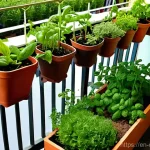
We’re talking about container gardening, vertical gardens, and even hanging baskets. Imagine transforming that sunny windowsill into a mini herb haven with basil, mint, and chives – perfect for elevating your cooking!
Or perhaps your balcony, no matter how small, could host a vibrant collection of leafy greens like lettuce and spinach, even Swiss chard, which do surprisingly well in partial shade.
You can even grow bush-type tomatoes, peppers, and strawberries in appropriately sized pots. I’ve seen people use repurposed items like old crates or even shoe organizers to create vertical planting spaces that practically disappear against a wall, yet yield so much food.
The key is selecting plants that are well-suited for containers and making the most of your vertical space. Start small, choose a few of your favorite edibles, and I promise you’ll be amazed at the bounty you can cultivate in even the most compact urban settings.
Not only will you enjoy fresh, chemical-free food, but you’ll also feel that incredible sense of accomplishment.
Q: “Organic gardening sounds a bit intimidating with all the talk about soil science and natural pest control. What are the essential, must-know organic techniques for a complete beginner like me?”
A: I totally get how that can feel overwhelming at first – I felt the same way! But let me tell you, organic gardening is less about complicated science and more about working with nature, not against it.
It’s actually incredibly rewarding! For a beginner, there are three core pillars you absolutely need to focus on, and honestly, they’ll make the biggest difference in your success.
First up: Healthy Soil is Happy Soil! This is hands down the most crucial element. Think of your soil as the living heart of your garden.
You don’t need a fancy lab for this! The best way to achieve healthy, nutrient-rich soil organically is to incorporate plenty of good quality compost.
You can buy it, or even better, start a small composting system with kitchen scraps and yard waste. Compost improves everything – drainage, water retention, and it feeds the beneficial microorganisms that your plants adore.
For containers, always use a high-quality organic potting mix, not just regular garden soil, as it’s lighter and drains better. My personal experience showed me that once I started prioritizing soil health, my plants just took off!
Second: Smart Watering. This might sound obvious, but it’s a game-changer, especially for container gardens which can dry out faster. Water deeply and consistently, making sure the water actually reaches the roots and drains out the bottom.
Overwatering can be just as bad as underwatering! Using mulch (like straw or chopped leaves) on top of your soil is also a fantastic organic trick to conserve moisture, regulate soil temperature, and even suppress weeds.
Third: Natural Pest Management. Forget harsh chemicals! Organic pest control is all about prevention and working with nature’s own defenses.
Regularly inspect your plants for any signs of trouble – catching issues early makes them much easier to manage. Companion planting (growing certain plants together to deter pests or attract beneficial insects) is a fun and effective strategy.
For example, I love planting marigolds near my tomatoes because they really help keep unwanted critters away. If you do spot pests, simple solutions like hand-picking, insecticidal soap, or neem oil are your organic go-tos.
Don’t be afraid to try these techniques; they’re more intuitive than they seem, and the results are truly worth it.
Q: “I’m interested in the “more than just a hobby” aspect you mentioned. Beyond the fresh produce, what other benefits and personal transformations have you experienced from diving into urban organic farming?”
A: Oh, this is where it gets really exciting! While the sheer joy of harvesting your own chemical-free produce is fantastic – and let me tell you, a homegrown tomato tastes nothing like a store-bought one – the benefits of urban organic farming stretch far beyond the kitchen.
I’ve personally experienced a profound transformation, and it’s truly “more than just a hobby” for me. One of the biggest, and perhaps most unexpected, benefits is the mental and emotional well-being it brings.
There’s something incredibly grounding about putting your hands in the soil, watching a tiny seed sprout, and nurturing a plant to maturity. It’s become my little sanctuary, a peaceful escape from the hustle and bustle of city life.
I find myself feeling less stressed and more present, and honestly, it’s a wonderful way to reconnect with nature, even if your ‘nature’ is a pot on a patio.
Then there’s the community connection. You might think gardening is a solitary activity, but it’s quite the opposite! I’ve connected with so many incredible people – neighbors, fellow urban farmers online, and local gardening groups.
We share tips, swap seeds, and celebrate each other’s harvests. It really fosters a sense of belonging and local pride, and I’ve seen it help strengthen entire neighborhoods.
And of course, let’s not forget the economic and sustainability benefits. My grocery bill definitely saw a difference, especially when it came to expensive organic herbs and specialty greens.
It’s a fantastic way to save a little cash while ensuring you’re eating the healthiest food possible. Plus, by growing your own, you’re reducing food miles, lessening your carbon footprint, and contributing to urban biodiversity by providing habitats for pollinators.
It’s truly a holistic journey that nourishes your body, mind, and even the planet.