Unlock Success Your Essential Guide to a High-Achieving Urban Agriculture Manager Exam Study Group

webmaster

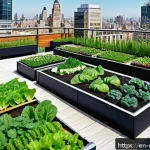
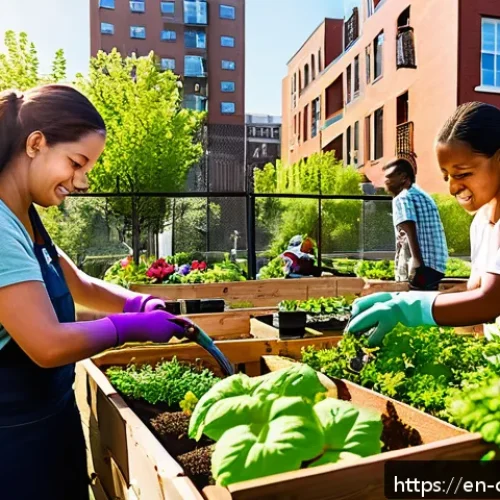
도시농업관리사 시험 준비 스터디 그룹 - **Prompt:** A diverse group of young adults, dressed in casual yet practical clothing suitable for l...

Hold on to your gardening gloves, fellow green thumbs and aspiring urban farmers! Have you ever found yourself gazing at a neglected rooftop or a patchy backyard, dreaming of transforming it into a vibrant, edible oasis?

It’s a vision many of us share, especially with the growing buzz around sustainable living and local food movements. The truth is, urban farming isn’t just a trendy hobby anymore; it’s a rapidly evolving field brimming with opportunities, from managing community gardens to spearheading vertical farm initiatives.

But let’s be real: turning that dream into a tangible skill set, especially when eyeing a professional certification, can feel a bit daunting. I know the feeling – I’ve been there, staring at textbooks, wondering where to even begin.

That’s why the idea of connecting with like-minded individuals, tackling complex topics together, and truly mastering the art and science of urban agriculture has always resonated with me.

Finding your tribe, your go-to group for navigating the exciting yet challenging world of urban farming certifications, can be an absolute game-changer.

Let’s find out exactly what you need to know to cultivate your success!

Hold on to your gardening gloves, fellow green thumbs and aspiring urban farmers! Have you ever found yourself gazing at a neglected rooftop or a patchy backyard, dreaming of transforming it into a vibrant, edible oasis?

It’s a vision many of us share, especially with the growing buzz around sustainable living and local food movements. The truth is, urban farming isn’t just a trendy hobby anymore; it’s a rapidly evolving field brimming with opportunities, from managing community gardens to spearheading vertical farm initiatives.

But let’s be real: turning that dream into a tangible skill set, especially when eyeing a professional certification, can feel a bit daunting. I know the feeling – I’ve been there, staring at textbooks, wondering where to even begin.

That’s why the idea of connecting with like-minded individuals, tackling complex topics together, and truly mastering the art and science of urban agriculture has always resonated with me.

Finding your tribe, your go-to group for navigating the exciting yet challenging world of urban farming certifications, can be an absolute game-changer.

Let’s find out exactly what you need to know to cultivate your success!

Unlocking Your Green Potential: Why Certifications Matter

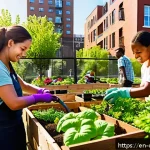
도시농업관리사 시험 준비 스터디 그룹 - **Prompt:** A diverse group of young adults, dressed in casual yet practical clothing suitable for l...

Beyond the Buzzwords: Real Skills, Real Opportunities

You see the posts, hear the podcasts – everyone’s talking about urban farming these days. But let me tell you, when I first dipped my toes into this world, it felt like I was trying to learn a secret language without a dictionary. There’s a huge difference between loving plants and knowing how to manage a productive, sustainable urban farm, especially one that needs to turn a profit or feed a community. That’s where professional certifications come in. They aren’t just fancy pieces of paper; they’re a roadmap, a structured way to acquire the precise knowledge and hands-on skills you absolutely need. I remember feeling completely overwhelmed by the sheer volume of information out there – soil science, pest management, water systems, marketing produce – it was a lot! Getting certified provided a framework, a clear curriculum that told me exactly what I needed to master. It gave me the confidence to move from enthusiastic amateur to someone with verifiable expertise, which, believe me, makes a huge difference when you’re talking to potential employers or pitching a community project. It’s like having a universally recognized stamp of approval that says, “Yes, I know what I’m doing.” This credibility is priceless, opening doors to collaborations and funding that might otherwise remain closed.

Navigating the Learning Labyrinth: Where to Begin Your Urban Ag Journey

So, you’re ready to take the plunge. Awesome! But then comes the next big question: where do you even start looking for the right certification? It’s a labyrinth, I won’t lie. There are university programs, online courses, specialized workshops, and local community college offerings, each with its own focus and intensity. When I was exploring, I spent weeks sifting through endless websites, trying to figure out which program aligned with my actual goals. Do I want to manage a rooftop farm? Start a small-scale market garden? Focus on hydroponics? Each of these paths might require a different emphasis in your studies. My best advice? Start by envisioning your ideal urban farming scenario. What does success look like for you? Then, research programs that specifically cater to those skills. Look for curricula that balance theoretical knowledge with practical application – because, trust me, you can read all about composting, but until you’ve turned a pile yourself, it’s just theory. Don’t be afraid to reach out to program coordinators, past students, or even local urban farmers to get their take. Their real-world insights are invaluable and can save you a lot of time and potential missteps.

From Microgreens to Master Planning: Diverse Certification Paths

Tailoring Your Expertise: Specializing in Your Green Passion

One of the coolest things about urban farming is its incredible diversity. It’s not a one-size-fits-all world, and neither are its certifications. When I first got into this, I thought “farming is farming,” but boy, was I wrong! You can dive deep into a specific niche that genuinely excites you. Are you fascinated by growing greens without soil? Then a hydroponics or aquaponics specialist certification might be your calling. Dreaming of transforming barren cityscapes into food forests? Permaculture design certificates are out there. Or maybe you’re passionate about food justice and want to build resilient community food systems? There are programs focused on that too. I’ve seen friends thrive by really leaning into their specific interest, becoming the go-to expert in, say, mushroom cultivation or intensive container gardening. Choosing a specialized certification means you’re not just getting a broad overview; you’re developing deep, actionable expertise that makes you incredibly valuable in a specific segment of the urban agriculture market. It allows you to cultivate not just plants, but a unique professional identity, attracting clients or employers who are looking for exactly your specialized skill set.

A Glimpse into Urban Farming Certification Types

To give you a clearer picture, here’s a quick overview of some common certification types and what they might prepare you for. This isn’t exhaustive, of course, but it should give you a starting point to think about what path resonates most with your aspirations. I often get asked what the “best” certification is, and my answer is always the same: the one that aligns with *your* goals and *your* vision for making a green impact in the city. When I was looking, I created a similar mental chart for myself, trying to weigh the pros and cons of each in relation to what I truly wanted to achieve. It really helped clarify my direction and made the decision-making process feel much less overwhelming. Remember, each path offers a unique set of skills and opens different doors, so consider where you want to plant your roots and grow.

Certification Focus Key Skills Acquired Potential Career Paths
Permaculture Design Certificate (PDC) Holistic ecosystem design, soil regeneration, water harvesting, sustainable living principles. Ecovillage designer, sustainable landscaper, regenerative agriculture consultant, homestead advisor.
Urban Farm Management Crop planning & rotation, pest/disease management, marketing & sales, business operations, volunteer coordination. Community farm manager, market garden owner/operator, CSA program coordinator, urban agriculture educator.
Hydroponics/Aquaponics Specialist System design & construction, nutrient management, water quality testing, climate control, crop specific techniques. Vertical farm technician, controlled environment agriculture (CEA) consultant, research & development specialist.
Community Food Systems Food justice advocacy, community organizing, food policy, program development, outreach & education. Food access coordinator, non-profit program manager, urban agriculture policy analyst.
Advertisement

Getting Your Hands Dirty: The Indispensable Role of Practical Experience

Beyond the Classroom: Apprenticeships and Volunteer Work

Let’s be brutally honest for a second: you can read every book, watch every documentary, and ace every exam, but until you’ve actually gotten your hands dirty, you’re only halfway there. When I was going through my own certification, I quickly realized that the textbook knowledge, while crucial, only truly clicked when I applied it. I sought out a local urban farm and volunteered every weekend for months. It was exhausting, exhilarating, and incredibly educational. I learned more about soil structure, irrigation troubleshooting, and dealing with unexpected pests in those few months than I had in a year of reading. Apprenticeships, internships, or even just regular volunteer shifts are not just “nice-to-haves”; they are absolutely critical to solidify your learning. They teach you adaptability, problem-solving in real-time, and the rhythm of a growing season – things no online module can fully replicate. Plus, it’s an amazing way to network, meet experienced farmers, and sometimes even stumble upon future job opportunities. I’ve seen countless passionate individuals transform their theoretical understanding into practical mastery through these hands-on experiences, and I honestly can’t recommend it enough. It makes your certification truly come alive.

Your Own Backyard: Cultivating a Personal Learning Lab

You don’t necessarily need a sprawling community garden or a dedicated apprenticeship to gain practical experience, especially when you’re just starting. Your own backyard, balcony, or even a sunny windowsill can become your personal urban farming laboratory. I started with a small raised bed in my own yard, experimenting with different plant varieties, composting methods, and pest control techniques. It was a low-stakes environment where I could make mistakes, learn from them, and refine my skills without the pressure of a commercial operation. This self-directed experimentation is incredibly powerful. It allows you to test out the theories you’re learning, observe plant behavior firsthand, and develop an intuitive understanding of what works and what doesn’t in your specific microclimate. Plus, the sense of accomplishment you get from harvesting your first crop, even if it’s just a handful of basil or a few cherry tomatoes, is an unparalleled motivator. These small, personal projects contribute significantly to your overall experience, demonstrating initiative and a genuine passion for urban agriculture that will impress anyone looking at your resume or portfolio. It’s all about creating your own opportunities to learn and grow, literally.

The Power of Connection: Building Your Urban Farming Tribe

Finding Your Crew: The Magic of Study Groups and Collaboration

Let me tell you, embarking on a professional certification journey, especially in a field as dynamic as urban farming, can feel pretty isolating sometimes. There were moments when I was staring at a complex diagram of a hydroponic system, completely baffled, wishing I had someone to bounce ideas off of. That’s why finding your tribe, your go-to group of fellow learners, is an absolute game-changer. Whether it’s an online forum dedicated to your specific program, a local meetup group, or just a few like-minded individuals you connect with through social media, collaboration makes the learning process so much richer. I remember forming a small study group with a few classmates, and suddenly, those daunting concepts became manageable. We’d share resources, explain things to each other in simpler terms, and even commiserate over particularly tricky assignments. Beyond the academic benefits, these connections often blossom into lasting friendships and professional networks. You’re building a support system, people who understand the unique challenges and triumphs of urban agriculture. It’s like having your own personal board of advisors, ready to cheer you on or offer a helping hand when you encounter a problem with your grow lights or a mysterious plant disease. Seriously, don’t underestimate the power of collective wisdom.

Mentorship Matters: Learning from the Green Gurus

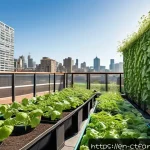
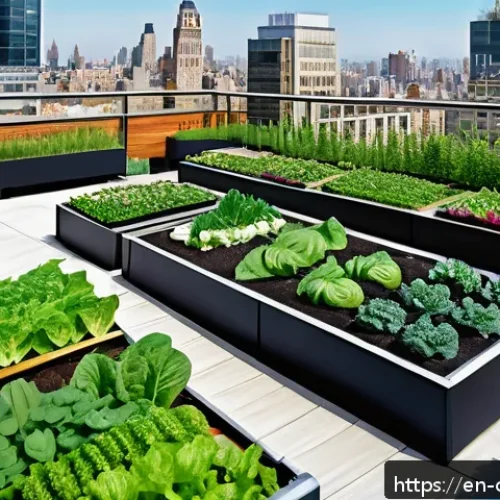
도시농업관리사 시험 준비 스터디 그룹 - **Prompt:** A bustling, vibrant rooftop urban farm overlooking a city skyline at golden hour. In the...

While peer-to-peer learning is fantastic, there’s something truly invaluable about having a mentor – someone who’s already walked the path you’re on and achieved what you aspire to. I was incredibly lucky to connect with an experienced urban farmer who ran a successful community supported agriculture (CSA) program. Her insights were gold. She didn’t just answer my questions; she offered perspectives I hadn’t even considered, shared hard-won lessons from her own mistakes, and provided practical advice that went far beyond anything I could learn from a textbook. A mentor can help you navigate tricky situations, identify potential pitfalls, and even introduce you to crucial contacts within the industry. They can offer guidance on everything from choosing the right crop varieties for your local climate to developing a viable business plan. Finding a mentor might happen organically through volunteering or networking events, or you might have to actively seek one out. Don’t be shy! Most experienced farmers are incredibly passionate about what they do and are often eager to share their knowledge with the next generation. Their wisdom can accelerate your learning curve and save you from countless headaches, offering a beacon of experience in your journey.

Advertisement

Cultivating a Career: Monetizing Your Urban Agriculture Skills

Beyond the Harvest: Diverse Income Streams for Certified Farmers

So, you’ve put in the work, earned your certification, and now you’re wondering, “How do I make a living doing this?” Good news: urban farming isn’t just about selling fresh produce anymore, though that’s certainly a viable path! Your certification opens doors to a surprising array of income streams. I’ve seen fellow certified urban farmers become sought-after consultants, advising businesses and non-profits on setting up their own green spaces or vertical farms. Others turn their expertise into educational workshops, teaching eager city dwellers how to grow their own food, from beginner balcony gardening to advanced hydroponics. Some even leverage their knowledge to develop and sell specialized urban farming products, like custom seed mixes for small spaces or innovative composting solutions. The key is to think creatively about your skills. Your certification signifies that you have a deep understanding of urban agriculture principles, which is valuable far beyond just growing and selling. It’s about recognizing the problems urban environments face in food production and offering certified solutions. For instance, I know a certified permaculture designer who now helps homeowners transform their yards into edible landscapes, a highly lucrative niche.

Building Your Brand: Credibility as Your Cash Crop

In today’s competitive landscape, simply being good at something isn’t always enough; people need to trust that you’re good. That’s where your urban farming certification truly shines as a brand-building tool. It instills confidence in potential clients, employers, and collaborators. When you can say, “I’m a certified urban farm manager,” it immediately tells people you’ve undergone rigorous training and met professional standards. This credibility is, in essence, a cash crop. It allows you to command higher rates for your services, attract more serious clients, and stand out in a crowded market. I’ve personally experienced how much easier it is to secure partnerships or land consulting gigs when I can back up my claims with a recognized qualification. It’s not just about what you know, but also about the authority with which you can present that knowledge. Furthermore, this enhanced credibility can lead to opportunities for media features, speaking engagements, and publishing – all of which further solidify your expert status and expand your reach. Think of your certification as the foundation upon which you build your professional reputation, allowing you to cultivate not just plants, but a thriving, trustworthy brand.

Future-Proofing Your Green Space: Staying Ahead in Urban Agriculture

Embracing Innovation: The Ever-Evolving World of Urban Tech

The urban agriculture landscape isn’t static; it’s a rapidly evolving ecosystem driven by innovation and technology. What was cutting-edge last year might be standard practice today, and tomorrow’s solutions are already being developed. That’s why, even after earning your certification, the journey of learning never truly ends. I’ve found myself constantly researching new tools, techniques, and sustainable practices to keep my knowledge current. Think about the rise of IoT sensors for precision irrigation, AI-driven climate control in vertical farms, or advanced composting systems that transform waste into nutrient-rich soil faster than ever before. Embracing these new technologies isn’t just about being trendy; it’s about making your urban farm more efficient, sustainable, and productive. It’s about leveraging every available resource to maximize yield and minimize environmental impact. I’ve seen some incredible innovations, like community farms using blockchain to track their produce from seed to sale, ensuring transparency and trust with consumers. Staying curious and open to these advancements is absolutely crucial for any urban farmer who wants to remain relevant and competitive in this exciting, fast-paced field. It’s like being a detective, always on the lookout for the next big thing that can transform your green space.

Lifelong Learning: The Constant Harvest of Knowledge

Just as a farmer tends to their crops season after season, an urban agriculture professional must continuously cultivate their knowledge base. Your initial certification is a fantastic starting point, a solid root system, but the real growth comes from consistent learning and adaptation. I’ve always viewed my certification not as an endpoint, but as a robust foundation for a career of continuous discovery. This means attending workshops on new pest management techniques, taking advanced courses on soil microbiology, or simply staying updated with industry publications and research. The best urban farmers I know are perpetual students, always experimenting, always questioning, and always seeking to refine their methods. The climate is changing, consumer demands are shifting, and new challenges (and solutions!) are constantly emerging. By committing to lifelong learning, you not only keep your skills sharp but also contribute to the overall resilience and innovation of the urban agriculture movement. It ensures that your expertise remains fresh, your methods are cutting-edge, and your impact on the community continues to grow, yielding a bountiful harvest of knowledge for years to come. It’s truly a journey where every new piece of information feels like a fresh, exciting discovery.

Advertisement

글을 마치며

Well, there you have it, fellow green enthusiasts! Our journey through the exciting world of urban farming certifications might be drawing to a close, but your adventure is truly just beginning.

I hope this deep dive has shed some light on why pursuing a certification isn’t just about gaining a piece of paper, but about cultivating a profound skill set, building a robust network, and ultimately, making a tangible, delicious difference in our urban landscapes.

Remember, every master gardener started as a beginner, and with the right knowledge and community, your green dreams are well within reach. Keep digging in, keep learning, and keep growing!

알아두면 쓸모 있는 정보

1. Local Regulations & Zoning: Before you break ground (or pot up!), always scout out your city’s local zoning laws and any specific regulations for urban agriculture. Some areas have unique rules about water usage, compost piles, or even the type of structures you can build, and a little homework can save you a lot of hassle later on.

2. Start Small, Learn Big: Don’t feel pressured to launch a massive operation right away. My personal journey started with a few balcony containers, and honestly, those early experiments taught me invaluable lessons about plant care, pest management, and the sheer joy of harvesting your own food. Small wins build big confidence!

3. Community is Key: Seek out local urban farming groups, attend workshops, and connect with other green thumbs. The shared knowledge, practical tips, and collective support from your community are an incredible resource, not to mention a fantastic way to meet like-minded individuals and potential collaborators.

4. Explore Funding & Grants: Many government programs, non-profits, and even private foundations offer grants or funding opportunities for urban agriculture projects, especially those with a community focus, educational component, or sustainable practices. A bit of research could uncover the financial boost your project needs.

5. Market Research for Your Harvest: If you’re considering selling your produce, do some market research upfront. Understand what local restaurants, farmers’ markets, or CSA programs are looking for. Knowing your potential buyers’ needs ensures your efforts are fruitful and economically viable, transforming your passion into a sustainable venture.

Advertisement

중요 사항 정리

In essence, urban farming certifications are your golden ticket to transforming a passion into a profession. They provide the structured knowledge and credibility needed to excel, opening doors to diverse career paths and entrepreneurial opportunities.

Coupled with hands-on experience, a supportive community, and a commitment to lifelong learning, these certifications are the bedrock for a thriving, impactful career in urban agriculture, ensuring you’re not just growing plants, but cultivating a brighter, greener future.

Frequently Asked Questions (FAQ) 📖

Q: What kind of urban farming certifications are actually out there, and what do they even cover?

A: Oh, this is a fantastic question, and honestly, it’s one I wrestled with quite a bit when I first started digging into this world! It feels like there’s a whole garden of options, and knowing which seed to plant can be confusing.
From what I’ve personally experienced and seen in the community, urban farming certifications typically fall into a few main baskets. You’ve got your broader “Sustainable Urban Agriculture” programs, which are often offered by universities or agricultural colleges.
These tend to give you a really solid, comprehensive foundation, covering everything from soil science and hydroponics to pest management, business planning for a farm, and even community engagement strategies.
Think of it as the full meal deal – you learn to grow the food and how to grow a sustainable business around it. Then, there are more specialized certifications.
For instance, I’ve seen some amazing “Vertical Farming and Controlled Environment Agriculture” courses popping up, which are perfect if you’re fascinated by indoor growing, cutting-edge tech, and maximizing space in a city environment.
These dive deep into things like LED lighting, nutrient film technique (NFT), aeroponics, and environmental controls – it’s super technical, but incredibly rewarding if that’s your jam.
Other programs might focus specifically on “Community Garden Management” or “Permaculture Design for Urban Spaces,” which are more about ecological design, working with local residents, and building resilient green spaces.
The beauty is, whether you want to be a generalist or a niche expert, there’s likely a program that speaks to your specific green dream. It’s all about figuring out where your passion truly lies and what kind of urban farmer you aspire to be!

Q: I’m really keen on urban farming, but is getting a certification truly worth the time and money, especially when I could just learn by doing?

A: That’s a totally valid question, and honestly, it’s a crossroads many aspiring urban farmers find themselves at. Believe me, I get it! There’s a huge appeal to just jumping in, getting your hands dirty, and learning through trial and error – and a lot of valuable lessons come from that, for sure.
However, from my personal journey and chatting with countless folks who’ve gone the certification route, I can tell you it often provides a massive leg up, especially if you’re looking to make urban farming more than just a hobby.
Think of it this way: a certification isn’t just a piece of paper; it’s a structured learning experience that condenses years of potential trial and error into a focused curriculum.
It provides that essential theoretical backbone – the “why” behind what you’re doing – which is crucial when problems inevitably arise. You’ll learn best practices, avoid common pitfalls, and gain a foundational understanding of things like plant pathology or integrated pest management that could save you a ton of headaches (and crops!) down the line.
Plus, many programs offer practical, hands-on experience and networking opportunities that are simply invaluable. You’ll connect with instructors who are often industry veterans, meet fellow students who could become future collaborators, and get access to resources and job boards you might never find otherwise.
When I was looking for my first urban farming gig, having that certification really did open doors and give me a confidence boost. It signals to potential employers, or even just your own community, that you’re serious, knowledgeable, and have a verified skill set.
It’s an investment, yes, but one that can seriously accelerate your journey from enthusiast to expert.

Q: How do I even begin to choose the right urban farming certification program for me with so many options out there?

A: Alright, this is where the rubber meets the road! Picking the right program can feel a bit like trying to navigate a bustling farmers’ market – so many tempting options, but which one will nourish your specific goals?
I know I spent ages agonizing over this, so let me share what I’ve learned. First off, take a deep breath and really think about your “why.” Are you hoping to start your own rooftop farm, manage a community garden, work for an established vertical farm, or just become a super-informed home grower?
Your end goal is your compass here. Once you have a clearer picture, start researching programs and look closely at their curriculum. Do they focus heavily on hydroponics and tech, or are they more about soil health and traditional market gardening?
Does it align with the skills you want to develop? Next, consider the format. Are you someone who thrives in a hands-on, in-person environment, or do you need the flexibility of an online course that fits around your current schedule?
Many excellent programs offer both. Don’t forget to check out the instructors’ backgrounds – are they just academics, or do they have real-world farming experience they can share?
That practical insight is gold! And here’s a tip I wish I’d known sooner: reach out to program alumni if you can. A quick LinkedIn search or a post in an urban farming forum can connect you with people who’ve actually been through the program.
Ask them about their experience, the pros and cons, and whether they felt it was worth it. Finally, think about your budget and time commitment. Certifications vary wildly in cost and duration.
It’s a significant investment, so make sure it’s one you can realistically commit to. By taking the time to ask yourself these questions and doing a little digging, you’ll be well on your way to finding the perfect program to cultivate your urban farming dreams!