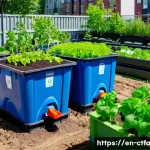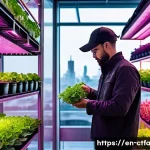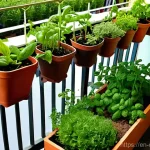
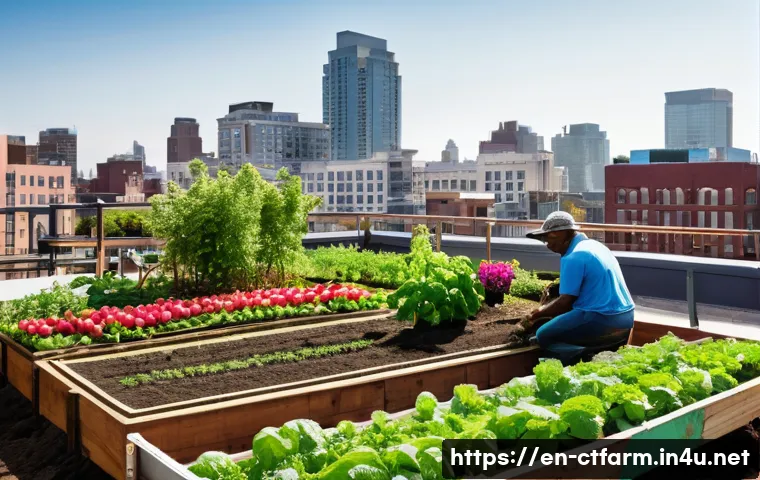
You know, for years, I’ve been utterly captivated by the way our urban landscapes are evolving. It’s no longer just about concrete jungles and bustling streets; there’s a quiet revolution happening, a vibrant green wave bringing fresh food and community spirit right into the heart of our cities.
I’m talking about urban agriculture, and if you ask me, it’s one of the most exciting fields right now! I distinctly remember visiting a rooftop farm a few years back, skeptical about its long-term viability, but seeing the sheer ingenuity and dedication of the people running it completely changed my perspective.
These aren’t just gardeners; they’re visionaries, often known as Urban Agricultural Managers, who are literally cultivating our future. They’re at the forefront of some incredible changes, from leveraging cutting-edge tech like vertical farming and IoT sensors to building thriving community hubs and boosting local food security.
It’s truly fascinating to witness how their roles are becoming increasingly complex, blending ecological know-how with business savvy and social impact.
If you’re curious about the latest innovations, the new skills that are becoming essential, and how these green pioneers are reshaping everything from city planning to our dinner plates, then stick around.
I’ve personally delved into the exciting trends shaping this burgeoning profession, and I’m ready to share what I’ve discovered. Let’s dive in deeper below and uncover the true potential!
Cultivating Upwards: The Vertical Frontier
For years, I’ve been fascinated by how we push the boundaries of traditional farming, and honestly, nothing captures my imagination quite like the vertical farming revolution.
I mean, think about it – growing fresh produce in multi-layered systems, often indoors, right in the heart of a bustling city. It’s not just a cool concept; it’s a game-changer for urban density and food accessibility.
I vividly remember my first tour of a large-scale vertical farm in a repurposed industrial building; the sheer efficiency and volume of crops they were producing in such a compact footprint were mind-boggling.
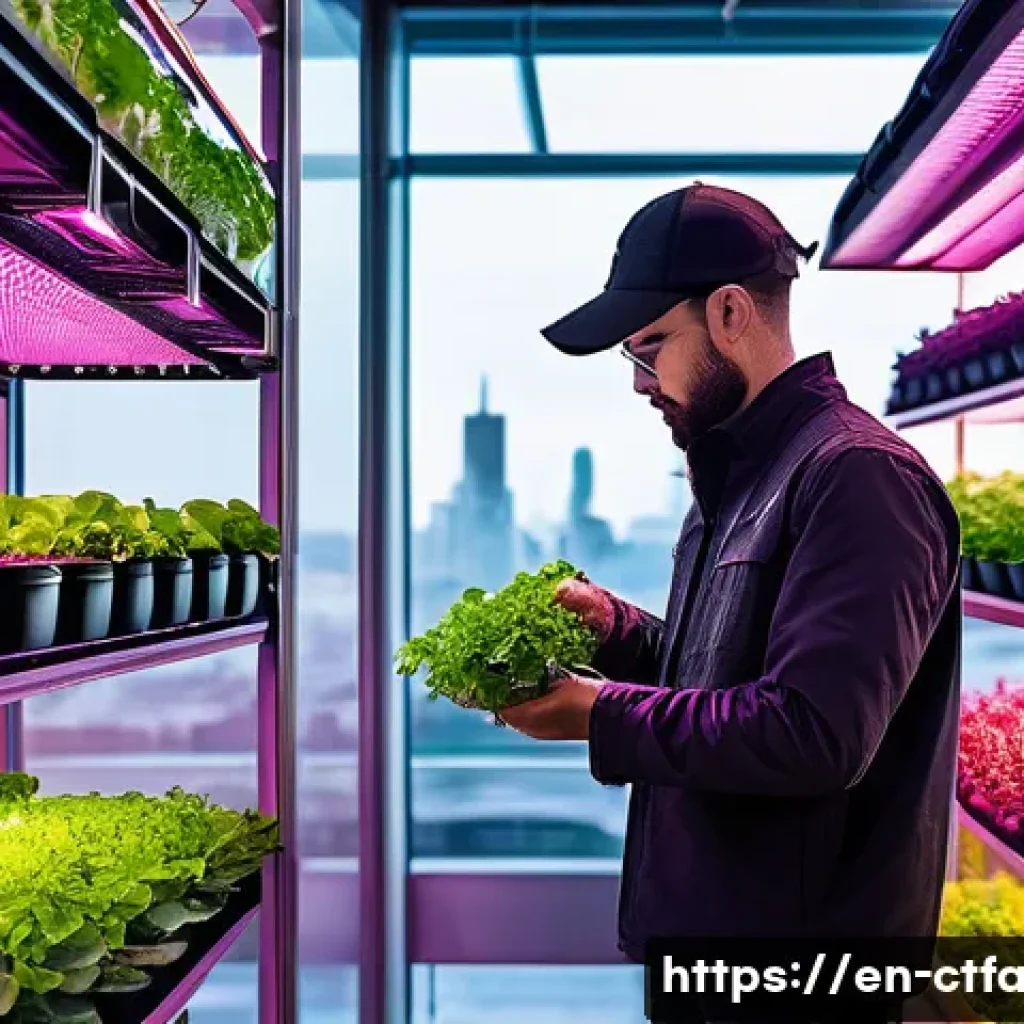
It felt like stepping into the future, a testament to human ingenuity. These sophisticated setups, ranging from towering indoor farms to integrated building designs, are allowing Urban Agricultural Managers to literally defy gravity, turning previously unproductive urban spaces into vibrant, highly productive food hubs.
We’re talking about year-round harvests, regardless of external weather conditions, leading to more stable food supplies and shorter supply chains. It’s a huge leap forward, and for anyone passionate about sustainable food systems, it’s an incredibly exciting space to watch and be a part of.
The energy consumption and initial investment can be steep, for sure, but the rapid advancements in LED lighting, climate control, and automation are making it more viable every single day.
Redefining Acreage: Maximizing Urban Space
One of the most profound impacts I’ve observed from vertical farming is how it completely redefines our understanding of “acreage.” Instead of sprawling fields, we’re now talking about cubic footage, making every square foot of an urban environment incredibly valuable for food production.
This means previously unused spaces like empty warehouses, building rooftops, or even underground tunnels are being transformed into fertile ground. The brilliance here is not just about growing food; it’s about doing it in places where land is expensive and scarce, bringing fresh, nutritious options right to the doorsteps of city dwellers.
From my perspective, this spatial innovation is critical for true food security in urban centers, allowing communities to become more self-sufficient and less reliant on long-distance transportation.
It’s an exciting challenge for Urban Agricultural Managers to optimize these unique spaces, blending engineering prowess with horticultural know-how to get the most out of every vertical layer.
Hydroponic Wonders: Less Water, More Harvest
When we dive into the specifics of vertical farming, it’s impossible not to talk about hydroponics and aeroponics – methods that ditch soil entirely for nutrient-rich water solutions or even just mist.
I’ve always been amazed at how these systems can drastically reduce water usage compared to traditional agriculture; we’re talking about up to 90% less water for the same yield!
This isn’t just an environmental win; it’s a pragmatic solution for regions facing water scarcity. I’ve personally seen setups where water is constantly recirculated, ensuring every drop is utilized efficiently.
It means less waste, fewer resources, and ultimately, a more sustainable way to grow food. Urban Agricultural Managers who master these techniques are at the forefront of creating hyper-efficient farms that are not only productive but also incredibly eco-conscious, demonstrating that we truly can do more with less.
Smart Farming: Where Tech Meets Tillage
It’s genuinely incredible to see how quickly technology is transforming the agricultural landscape, and urban farming is absolutely leading the charge.
Gone are the days when farming was solely about instinct and manual labor; now, it’s a sophisticated blend of horticulture and high-tech innovation. I’ve spent countless hours chatting with Urban Agricultural Managers who are practically data scientists in disguise, leveraging everything from IoT sensors to advanced AI algorithms to optimize their yields.
It’s like they’re conducting a symphony, with each piece of technology playing a crucial role in creating the perfect growing conditions. The precision farming movement is not just about efficiency; it’s about creating incredibly resilient and responsive systems that can adapt to challenges in real-time.
This integration of smart technology means less guesswork, fewer mistakes, and ultimately, a more productive and sustainable operation, which is something I find profoundly encouraging for the future of food.
Sensors and Software: The Brains Behind the Green
Walking into a modern urban farm now often feels more like a data center than a greenhouse. Everywhere you look, there are sensors meticulously monitoring everything from temperature, humidity, and CO2 levels to nutrient concentrations and light intensity.
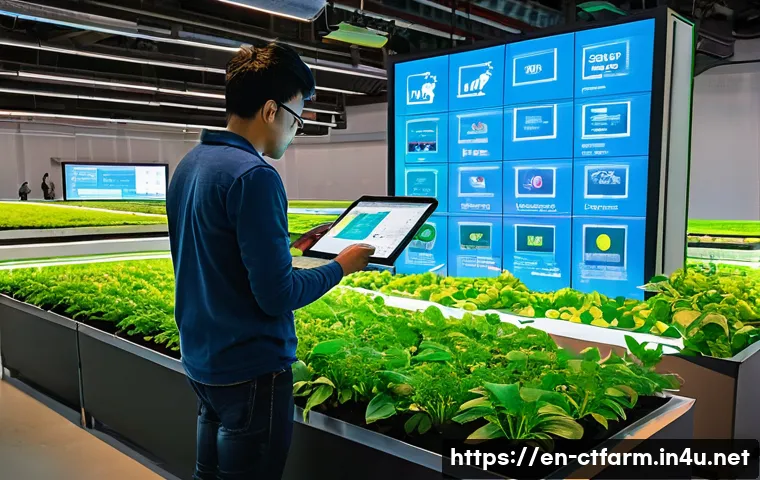
And honestly, it’s thrilling to see how Urban Agricultural Managers use this wealth of information. They’re not just collecting data; they’re interpreting it with sophisticated software platforms that can predict plant needs, identify potential issues before they become problems, and even adjust environmental parameters automatically.
I’ve seen systems that can tell you exactly when a specific lettuce variety will be ready for harvest, down to the day! This level of precision, in my experience, dramatically reduces waste and ensures optimal growth conditions around the clock, allowing farms to operate with an unparalleled level of efficiency and control.
Automating Growth: From Seeding to Sale
The automation in urban agriculture goes far beyond just environmental control. We’re seeing everything from robotic seeding and transplanting systems to automated harvesting and packaging solutions.
I was genuinely amazed watching robotic arms carefully place seedlings into vertical towers with incredible accuracy; it’s a far cry from the laborious manual processes of traditional farming.
For Urban Agricultural Managers, this automation means they can scale operations, reduce labor costs for repetitive tasks, and reallocate human effort to more complex management, innovation, and community engagement roles.
It transforms the farm into a highly streamlined and efficient production line, capable of delivering fresh produce to consumers with unprecedented speed and consistency.
This blend of human oversight and robotic precision is, in my opinion, a truly powerful combination.
Beyond Produce: Nurturing Community Roots
One of the most heartwarming aspects of urban agriculture, and something I deeply connect with, is its incredible power to build and strengthen communities.
It’s not just about the leafy greens or ripe tomatoes; it’s about cultivating connections, fostering education, and creating vibrant social hubs right in our neighborhoods.
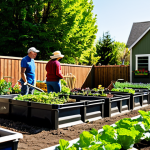
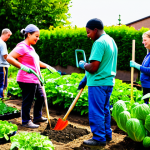
I’ve witnessed firsthand how a community garden or a rooftop farm can transform an otherwise neglected space into a bustling center of activity, bringing together people from all walks of life.
Urban Agricultural Managers often wear many hats, and “community organizer” is definitely one of them. They’re not just growing food; they’re growing relationships, facilitating learning, and creating a sense of shared purpose that extends far beyond the harvest.
This focus on social impact is, for me, what truly elevates urban farming from a simple agricultural practice to a powerful force for positive change in our cities.
Harvesting Hope: Addressing Food Insecurity
Let’s be honest, food deserts are a stark reality in many urban areas, and the lack of access to fresh, affordable produce is a serious issue. This is where urban agriculture truly shines as a beacon of hope.
I’ve seen incredible initiatives where urban farms are strategically placed in underserved communities, providing residents with direct access to nutritious food that might otherwise be unavailable or prohibitively expensive.
It’s not just about handing out food; it’s about empowering communities to grow their own, creating a sustainable solution from within. Urban Agricultural Managers play a crucial role here, often partnering with local organizations, running farmers’ markets, and implementing CSA (Community Supported Agriculture) programs that make healthy eating a tangible reality for more people.
The feeling of seeing fresh produce grown just blocks away from where it’s consumed is incredibly rewarding.
Education and Empowerment: Growing Knowledge
Beyond providing food, urban farms are becoming invaluable educational platforms. I love how they offer hands-on learning experiences for people of all ages, from school children discovering where their food comes from to adults learning new gardening skills.
I’ve personally attended workshops on composting and seed saving at urban farms, and the level of engagement and enthusiasm is always palpable. Urban Agricultural Managers often design and lead these programs, teaching about sustainable practices, nutrition, and even entrepreneurship.
This educational component empowers individuals with the knowledge and skills to grow their own food, fostering self-sufficiency and a deeper connection to nature.
It’s about cultivating not just crops, but also a more informed and engaged citizenry, which I believe is absolutely essential for our collective future.
The Green Business Blueprint: Making Urban Farms Profitable
While the environmental and community benefits of urban agriculture are undeniable, let’s talk about the elephant in the room: making these ventures financially sustainable.
This is where the Urban Agricultural Manager’s business acumen truly shines. I’ve seen brilliant minds tirelessly work to transform passionate projects into viable, profitable enterprises, and it’s no small feat.
It’s not just about growing great food; it’s about understanding market demand, managing supply chains, and developing diverse revenue streams. The reality is, for urban farming to truly scale and make a widespread impact, it needs to be economically sound.
This has led to an exciting evolution in business models, with managers constantly innovating to find that sweet spot between social good and financial viability.
It’s a challenging but deeply rewarding aspect of the job, pushing individuals to be both horticultural experts and shrewd business strategists.
Diverse Revenue Streams: More Than Just Veggies
The most successful urban farms I’ve encountered rarely rely on just one source of income. Urban Agricultural Managers are masters at diversifying, creating a robust financial ecosystem around their produce.
Of course, direct sales to consumers through farmers’ markets and CSAs are fundamental. But I’ve also seen brilliant strategies involving selling to restaurants, catering companies, and even corporate clients looking for fresh, local ingredients.
Beyond produce, many farms offer educational workshops, event spaces, or even branded merchandise. Some even specialize in selling seedlings or gardening supplies.
This multi-faceted approach is crucial for resilience and profitability. Here’s a quick look at some common urban farm business models:
| Business Model | Description | Pros | Cons |
|---|---|---|---|
| Community Supported Agriculture (CSA) | Customers pay upfront for a share of the harvest throughout the season. | Guaranteed income, strong customer loyalty, reduced waste. | Requires consistent harvest, customer commitment. |
| Direct-to-Consumer (Farmers’ Market, Farm Stand) | Selling produce directly to the public at local markets or on-site. | Higher profit margins, direct customer feedback. | Labor-intensive, weather-dependent, requires strong marketing. |
| Restaurant/Wholesale Supply | Selling produce in bulk to local restaurants, grocers, or food service providers. | Larger orders, stable demand, potential for long-term contracts. | Requires consistent quality, often lower per-unit price, logistical challenges. |
| Educational Programs/Workshops | Offering classes on gardening, cooking, or sustainable living. | Additional revenue stream, community engagement, brand building. | Requires teaching expertise, time commitment, marketing. |
| Agri-tourism/Events | Hosting farm tours, events, or even renting out farm space for private functions. | Unique experiences, diverse income, raises farm profile. | Requires dedicated facilities, insurance, staffing for events. |
Navigating the Market: Farm-to-Table Logistics
Getting the produce from the farm to the customer efficiently and fresh is a logistical puzzle that Urban Agricultural Managers are constantly solving.
I’ve learned that “local” means rapid delivery, and that requires meticulous planning. Whether it’s coordinating deliveries to restaurants on bike, setting up convenient CSA pick-up points, or managing a bustling farmers’ market stall, the journey from seed to plate is a complex dance.
This also involves navigating local regulations, understanding consumer preferences, and building strong relationships with buyers. The ability to streamline these logistics directly impacts profitability and customer satisfaction, making it a critical skill set for anyone managing an urban farm.
It’s not just about growing; it’s about connecting every step of the process.
Water Wisdom and Waste Not: Embracing Circularity
The true beauty of urban agriculture, to me, lies in its potential to create truly circular systems, where waste from one process becomes a resource for another.
This deep commitment to sustainability and resource efficiency is something I find incredibly inspiring. Urban Agricultural Managers are constantly thinking about how to minimize their environmental footprint, pushing beyond basic organic practices to embrace a holistic approach to ecological balance.
It’s not just about growing food without harmful chemicals; it’s about conserving precious resources like water, enriching the soil naturally, and diverting organic waste from landfills.
I often think about how much less waste a truly circular urban farm produces compared to a conventional operation, and it’s a powerful reminder that innovative solutions are possible, even in dense urban environments.
Closed-Loop Systems: The Future of Resource Management
When I talk about circularity, I’m talking about incredibly clever closed-loop systems. Imagine a farm where the water used to grow plants is continuously filtered and reused, or where fish waste from an aquaponics system provides nutrients for the plants.
These aren’t just theoretical concepts; I’ve seen them in action! Urban Agricultural Managers are becoming experts in designing and implementing these intricate systems, dramatically reducing water consumption and minimizing nutrient runoff.
This approach also often includes capturing rainwater and integrating it into irrigation systems, making the farm less reliant on municipal water supplies.
It’s a commitment to efficiency that pays dividends not only for the environment but also for the farm’s operational costs, a win-win in my book.
Composting & Beyond: Giving Back to the Earth
One of the simplest yet most impactful aspects of sustainable urban farming is proper waste management, especially composting. I’ve always believed that treating our organic waste as a valuable resource, rather than trash, is fundamental to a healthy ecosystem.
Urban Agricultural Managers often establish robust composting programs, transforming food scraps and plant trimmings into nutrient-rich soil amendments that feed future crops.
This not only reduces landfill waste but also improves soil health naturally, cutting down on the need for synthetic fertilizers. Beyond composting, some farms explore innovative ways to utilize byproducts, perhaps even turning agricultural waste into biofuels or other useful materials.
It’s all about ensuring that nothing goes to waste and that every component of the farm contributes positively back to the earth.
Training Tomorrow’s Trailblazers: Essential Skills for Urban Ag Pros
The role of an Urban Agricultural Manager is, without a doubt, one of the most dynamic and multifaceted positions I’ve encountered. It’s not just about having a green thumb; it’s about possessing a truly diverse skill set that spans botany, business, technology, and community engagement.
I’ve watched this role evolve immensely over the years, and what was once a niche interest has blossomed into a full-fledged profession requiring a sophisticated blend of knowledge and practical experience.
For anyone looking to step into this exciting field, or even just curious about what it takes, understanding these evolving skill requirements is absolutely crucial.
It’s a constant learning journey, and the most successful managers I know are those who are endlessly curious and adaptable, always seeking to expand their expertise.
A Blend of Green Thumbs and Business Minds
It might sound obvious, but at the core, an Urban Agricultural Manager needs solid horticultural knowledge. Understanding plant science, pest management, soil health (even in soilless systems!), and harvesting techniques is foundational.
However, what truly sets them apart is their strong business acumen. They need to be adept at financial planning, marketing, sales, and supply chain management.
I’ve often seen them juggling budgets, negotiating with buyers, and designing marketing campaigns, all while keeping an eye on their crops. This blend of practical agricultural expertise and sharp business sense is what makes these individuals truly powerful leaders in the urban farming movement, bridging the gap between growing food and making it a sustainable enterprise.
Lifelong Learning in a Rapidly Evolving Field
What I love most about urban agriculture is that it’s a field of constant innovation. New technologies, techniques, and business models are emerging all the time, which means Urban Agricultural Managers absolutely must commit to lifelong learning.
I frequently hear about new certifications in vertical farming, workshops on advanced hydroponics, or conferences on agri-tech. Staying current with these advancements is non-negotiable for success.
This means having an insatiable curiosity, a willingness to experiment, and the ability to adapt quickly to new information and tools. For those drawn to a profession where every day brings a new challenge and an opportunity to learn, this is definitely the place to be.
It’s a field that rewards continuous growth, both in the plants and in the people who tend them.
Closing Thoughts
As we wrap up our journey through the incredible world of urban agriculture and the pivotal role of Urban Agricultural Managers, I hope you feel as inspired as I always do. It’s truly amazing to witness how these dedicated individuals are not just growing food, but cultivating innovation, community, and a sustainable future right in our cities. Their work is a powerful testament to human ingenuity, showing us that with creativity and determination, we can transform even the most unlikely spaces into thriving green havens. I genuinely believe that urban farming isn’t just a trend; it’s a vital movement that will continue to reshape our relationship with food and our urban environments for generations to come. Keep an eye on this space – the best is definitely yet to grow!
Useful Information to Know
1. Starting Small: Don’t feel overwhelmed by the thought of large-scale vertical farms. Many successful Urban Agricultural Managers began with humble community gardens, rooftop plots, or even small indoor hydroponic setups. Gaining hands-on experience, no matter how small the scale, is invaluable for understanding the unique challenges and rewards of growing food in urban environments. It’s all about getting your hands dirty and learning by doing before scaling up. This foundational experience builds confidence and practical knowledge.
2. Networking is Key: The urban agriculture community is incredibly supportive and collaborative. Attending local workshops, joining online forums, and connecting with established urban farmers can open doors to mentorship, partnerships, and crucial shared knowledge. I’ve found that some of the best insights come from simply chatting with others who are passionate about this field. Building relationships can provide access to resources, best practices, and even potential job opportunities that aren’t advertised.
3. Tech Savvy Matters: While a green thumb is essential, a basic understanding of technology – from simple sensor data interpretation to navigating smart irrigation apps – will give you a significant advantage. The future of urban farming is deeply intertwined with tech, and being comfortable with these tools will not only boost your efficiency but also enhance your farm’s resilience. Embrace the smart side of farming; it’s not as intimidating as it sounds once you start exploring.
4. Consider Diversification Early: For those looking to make urban farming a viable business, think beyond just selling fresh produce. Exploring additional revenue streams like educational tours, workshops, value-added products (like jams or dried herbs), or even supplying unique microgreens to niche markets can significantly improve your financial stability. A multi-pronged approach helps mitigate risks and maximizes the potential of your urban farm, ensuring it can weather various market conditions.
5. Focus on Local Impact: Remember that urban agriculture’s greatest strength lies in its ability to connect communities with their food source. Prioritizing local needs, engaging with residents, and building strong relationships within your neighborhood can create a powerful, loyal customer base and a strong sense of purpose. It’s not just about what you grow, but how you grow it, and the positive impact you have on the people around you. This community-centric approach fosters sustainability in every sense of the word.
Key Takeaways
To sum up our deep dive into the dynamic world of urban agriculture, it’s clear that this isn’t just about growing food; it’s a revolutionary approach to creating more sustainable, resilient, and community-focused cities. The Urban Agricultural Manager stands at the forefront of this transformation, blending cutting-edge technology with ecological wisdom and strong business acumen. We’ve seen how vertical farming and smart tech are maximizing urban spaces and minimizing resource use, making fresh, local produce more accessible than ever before. Beyond the greens, these initiatives are cultivating vibrant communities, addressing food insecurity, and empowering individuals through education. Furthermore, the emphasis on diverse revenue streams and circular waste management highlights a pragmatic path to profitability and environmental stewardship. Ultimately, the role demands a unique blend of horticultural expertise, business savvy, and a commitment to lifelong learning, ensuring that urban farming continues to grow and adapt. It’s a field brimming with potential, constantly evolving, and offering immense opportunities for those passionate about food, people, and the planet.
Frequently Asked Questions (FAQ) 📖
Q: What’s the real scoop on what an Urban
A: gricultural Manager actually does, and how has this role changed over the past few years?
A1: Oh, this is such a fantastic question! You know, when I first started exploring urban agriculture, I pictured someone just tending to plants on a rooftop.
But boy, was I wrong! I’ve personally visited several incredible urban farms, and what I’ve seen is a role that has truly exploded in complexity and importance.
An Urban Agricultural Manager today is so much more than just a green thumb. They’re like the conductors of a mini-ecosystem, blending horticulture, business savvy, community engagement, and even tech wizardry.
Think about it: they’re overseeing everything from seed to harvest, often in challenging urban environments. This means meticulously planning crop rotations, figuring out irrigation systems that might use significantly less water than traditional farming, and even getting their hands dirty with pest management – all without traditional pesticides, mind you!
I remember speaking with one manager who was excitedly telling me about integrating IoT sensors into their vertical farm. These sensors monitor everything from humidity to nutrient levels, allowing them to optimize growth conditions with incredible precision.
That’s a far cry from just knowing when to water! The role has definitely shifted from purely agricultural tasks to a much broader spectrum. A few years back, it was largely about proving that urban farming was even feasible.
Now, it’s about scaling up, becoming economically viable, and deeply integrating into the urban fabric. I’ve noticed a huge emphasis on sustainability; they’re constantly looking for ways to reduce waste, conserve energy, and build healthier soil.
Plus, the community aspect has really taken center stage. They’re not just growing food; they’re cultivating relationships, running educational workshops, and ensuring their produce reaches local markets and food-insecure communities.
It’s a dynamic, challenging, and incredibly rewarding role, bridging the gap between nature and city life in ways I never imagined. It really feels like they are architects of a healthier, greener urban future!
Q: With all these cool new technologies popping up, what are the absolute must-have skills for someone looking to thrive as an Urban
A: gricultural Manager today?
A2: This is where it gets really exciting, because the skill set for an Urban Agricultural Manager is evolving at lightning speed!
Gone are the days when knowing how to grow a tomato was enough (though that’s still super important, of course!). Based on my own observations and conversations with folks on the ground, I’d say it’s a fascinating blend of traditional wisdom and cutting-edge innovation.
First off, a solid foundation in agricultural science and sustainable practices is non-negotiable. You need to understand plant biology, soil health, and integrated pest management.
But beyond that, I’ve seen managers who are practically tech wizards! Being comfortable with data analysis and understanding how to leverage new tools like hydroponics, aeroponics, vertical farming systems, and even AI-powered climate control is becoming increasingly vital.
They’re often troubleshooting these systems themselves, so a bit of an engineering mindset really helps. It’s not about being a full-blown engineer, but certainly not being intimidated by the tech side.
Then there’s the business acumen. Many of these farms need to be financially sustainable, so understanding budgeting, marketing, sales, and even grant writing is crucial.
I distinctly recall one manager telling me how much time they spend on community outreach and market development – essentially, they’re also entrepreneurs!
And finally, and perhaps most importantly, are the soft skills. We’re talking about strong communication, leadership, and community engagement. These managers often lead teams of volunteers, educate the public, and build partnerships with local businesses and government entities.
Being able to inspire, collaborate, and communicate their vision effectively is what truly sets the best apart. It’s a holistic role that demands both intellectual curiosity and a passionate heart!
Q: How is urban agriculture really changing our cities, beyond just providing fresh greens, and what do you see as the biggest opportunities for its future?
A: Oh, this is the million-dollar question, isn’t it? When I think about urban agriculture, I definitely see the fresh, delicious food first, but the impact truly ripples out far beyond our dinner plates.
It’s absolutely transformative for our cities in so many unexpected and wonderful ways. From my perspective, one of the biggest changes is in strengthening local food systems.
By growing food closer to home, we’re reducing the carbon footprint associated with transportation, making fresh produce more accessible, and often providing healthier options, especially in areas that might be considered “food deserts.” I’ve personally witnessed how a community garden can become a vibrant hub, a place where people connect, share knowledge, and build a real sense of belonging.
It’s not just about growing carrots; it’s about cultivating community spirit, fostering social cohesion, and even offering educational opportunities for all ages.
Imagine kids learning where their food comes from, right in the heart of the city – that’s powerful! Looking ahead, I see incredible opportunities. I believe urban agriculture will play an even larger role in sustainable city planning.
Picture more green roofs that help manage stormwater and reduce urban heat islands, or vacant lots transformed into productive, beautiful spaces. There’s also massive potential for economic development, creating green jobs and supporting local economies.
I’m particularly excited about innovations in controlled environment agriculture, like advanced vertical farms. These technologies will allow us to grow food in incredibly efficient ways, almost anywhere, year-round, which could seriously boost food security in urban centers.
It’s truly a dynamic field with the power to make our cities more resilient, beautiful, and delicious, and I’m genuinely optimistic about the incredible impact it will continue to have on our urban landscapes!