Urban agriculture is gaining momentum as more people seek sustainable ways to grow their own food and reconnect with nature. Whether you’re an aspiring urban farmer or a community garden enthusiast, understanding the core subjects of urban agriculture management is essential.
These foundational courses cover everything from soil health to pest control, helping you cultivate thriving green spaces in city environments. Knowing which subjects to focus on can save time and boost your practical skills significantly.
Ready to dive into the key topics that will shape your success? Let’s explore the essentials in detail!
Understanding Soil Fundamentals for Urban Gardens
Decoding Soil Composition and Texture
Getting a handle on soil types is a game changer for any urban gardener. Soil isn’t just dirt—it’s a complex mix of sand, silt, clay, organic matter, air, and water.
Each component affects water retention, nutrient availability, and root growth differently. For example, sandy soils drain quickly but don’t hold nutrients well, whereas clay soils retain water but can suffocate roots if too compacted.
I’ve personally found that mixing organic compost into native urban soil often creates a balanced environment where plants thrive. Testing soil texture early helps you tailor your amendments and avoid frustrating growth problems down the line.
Soil pH and Nutrient Management Essentials
Soil pH plays a crucial role in nutrient uptake, and most veggies prefer a slightly acidic to neutral range (6.0 to 7.0). When I first started, I underestimated this and ended up with stunted tomatoes despite daily watering.
After testing and adjusting pH with lime or sulfur, the difference was night and day. Beyond pH, understanding macro- and micronutrients like nitrogen, phosphorus, potassium, calcium, and magnesium is vital.
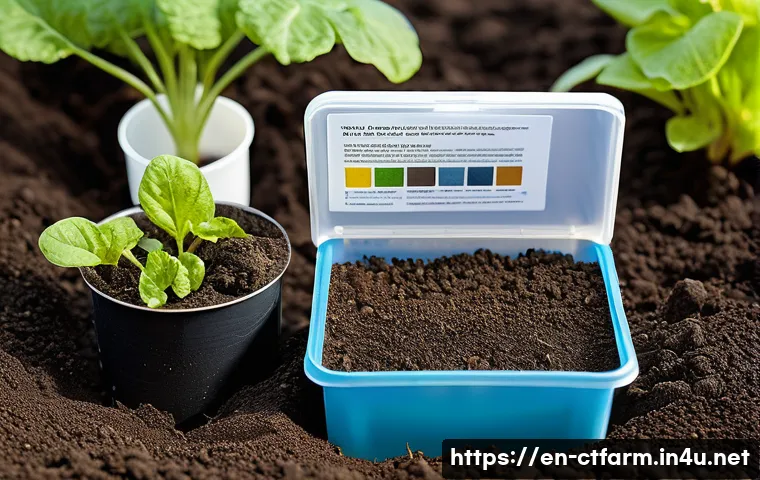
These nutrients fuel plant growth, and their deficiency or excess can cause visible symptoms. Regular soil testing kits are an investment worth making to keep your garden on track without guesswork.
Composting and Organic Matter Integration
Adding organic matter through compost is one of the most rewarding parts of urban farming. It improves soil structure, boosts microbial activity, and provides a slow-release nutrient source.
I like to keep a small compost bin in my kitchen and garden area, turning kitchen scraps and garden waste into rich humus. This not only reduces household waste but creates a cycle of nourishment for the soil.
Over time, you’ll notice your soil becomes darker, more crumbly, and better at holding moisture—signs that your green space is becoming truly fertile ground.
Maximizing Crop Selection and Planting Strategies
Choosing Crops Suited to Urban Climates and Space
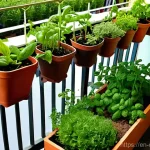
Not every crop is cut out for urban conditions, where space, sunlight, and microclimates vary wildly. From my experience, leafy greens, herbs, and compact root vegetables like radishes perform exceptionally well in containers or small raised beds.
Meanwhile, fruiting plants such as cherry tomatoes and peppers thrive if given enough sun and warmth. It’s crucial to observe your site’s light patterns and wind exposure before planting.
Selecting varieties bred for disease resistance and short growing seasons can also reduce headaches later on.
Succession Planting for Year-Round Harvests
Succession planting is a technique I swear by to keep fresh produce coming steadily. By staggering sowing dates or planting fast-growing crops between slower ones, you can avoid the feast-or-famine scenario.
For instance, sowing lettuce every two weeks or interplanting carrots with bush beans keeps the garden productive without overcrowding. This approach requires a bit of planning but pays off with continuous yields that keep your kitchen stocked and your enthusiasm high.
Companion Planting to Boost Growth and Pest Resistance
Mixing plants that benefit each other is a classic urban farming hack that often surprises beginners. I’ve had great luck pairing basil with tomatoes to enhance flavor and deter pests, while marigolds planted around beds discourage nematodes and aphids.
Understanding which plants grow well together can improve soil health, reduce pest pressure, and even increase yields. It’s like creating a little ecosystem where everything supports each other, minimizing the need for chemicals or extra labor.
Integrated Pest Management Techniques for Healthy Gardens
Identifying Common Urban Garden Pests
Knowing your enemy is half the battle. Urban gardens attract pests like aphids, spider mites, slugs, and whiteflies, each causing unique damage. Early detection is key; I usually inspect leaves weekly, looking for discoloration, holes, or sticky residue.
Sometimes, simply noticing the presence of beneficial predators like ladybugs indicates a natural pest balance. Learning to recognize these critters firsthand helps avoid panic and unnecessary pesticide use.
Biological and Cultural Controls That Work
Rather than jumping to chemical solutions, I’ve found that encouraging natural predators and practicing good garden hygiene keeps pest populations manageable.
Introducing ladybugs or lacewings, handpicking slugs, and rotating crops to disrupt pest life cycles are practical steps. Proper watering and pruning also reduce disease risk by improving airflow and preventing fungal growth.
These techniques take patience but create a resilient garden that can fend for itself over time.
Safe Use of Organic Pesticides
Sometimes pests get out of hand despite best efforts, and that’s when organic pesticides become necessary. Neem oil, insecticidal soaps, and diatomaceous earth have been my go-to options because they target pests with minimal harm to beneficial insects and the environment.
Applying them correctly—usually in early morning or late evening—and following label instructions helps avoid damage to your plants and neighbors. It’s a balancing act, but with care, you can keep your garden healthy and chemical-free.
Efficient Water Management in Urban Farming
Assessing Water Needs and Availability
Watering urban gardens can be tricky, especially when dealing with restrictions or limited access. I’ve learned to gauge plant water needs by observing leaf turgor and soil moisture rather than sticking to rigid schedules.
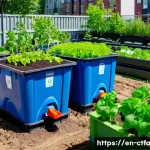
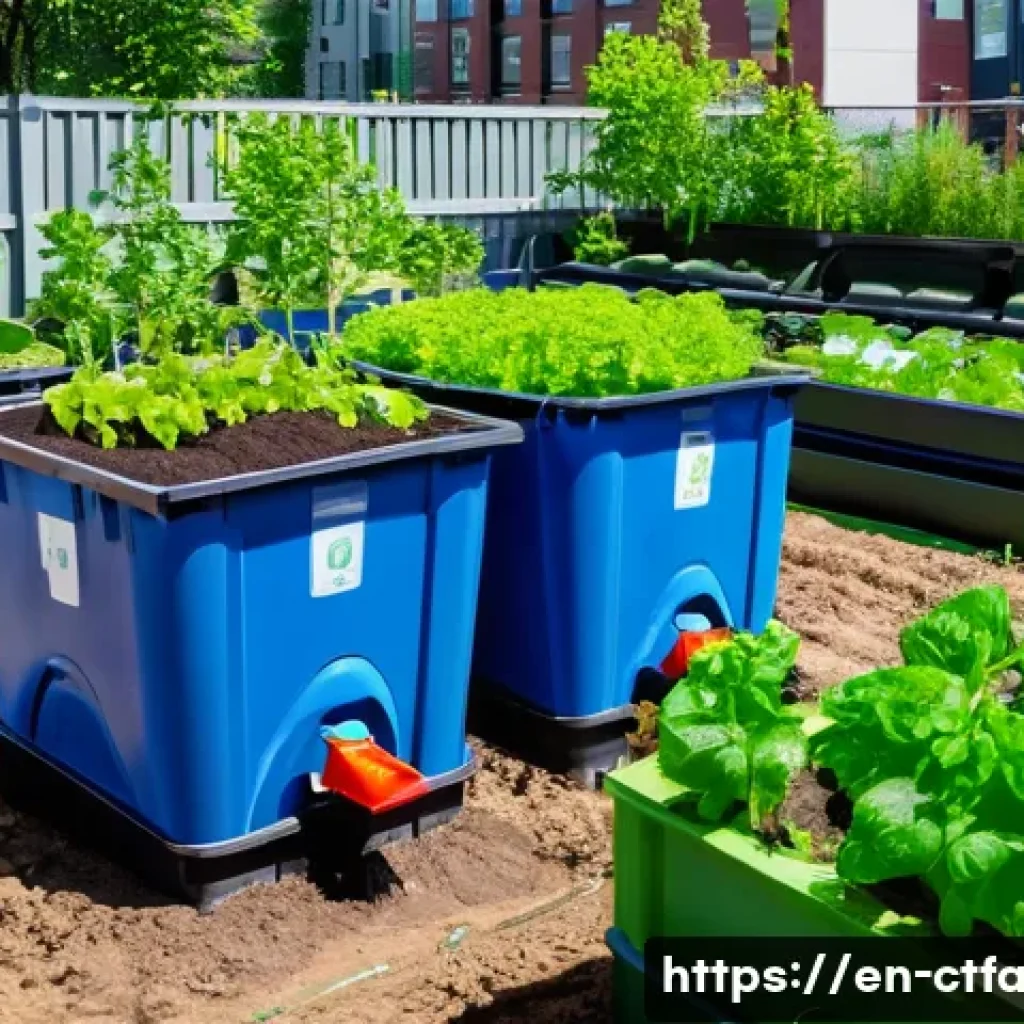
Some plants prefer consistently moist soil, while others like to dry out between waterings. Rainwater harvesting systems or drip irrigation setups can also save time and resources, making watering more efficient and sustainable in city environments.
Techniques for Water Conservation
Mulching is a simple yet incredibly effective method I use to retain moisture and reduce evaporation. Organic mulches like straw or shredded leaves also add nutrients as they decompose.
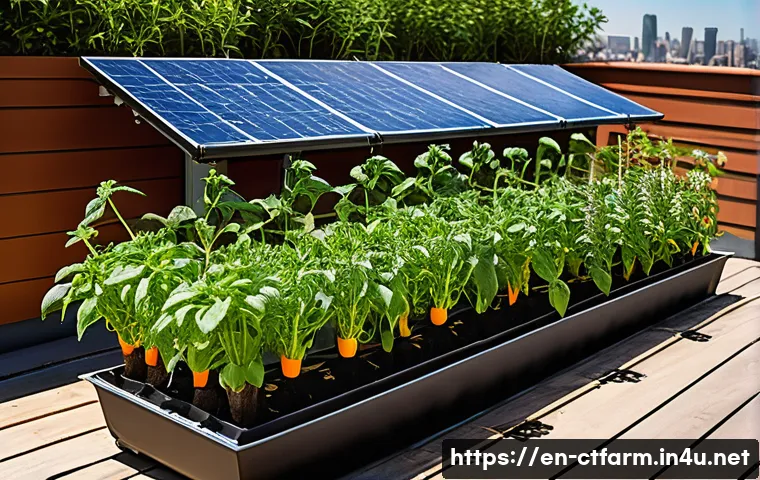
Grouping plants with similar water needs together (hydrozoning) prevents overwatering some while underwatering others. Additionally, using self-watering containers or wicking beds can drastically cut down water usage, especially in hot, dry months.
Implementing Drip Irrigation and Smart Scheduling
Automated drip irrigation has been a game changer for me, especially when managing multiple beds or container setups. It delivers water directly to the roots, minimizing waste and leaf wetness that can cause disease.
Pairing this with a timer or moisture sensors means watering happens exactly when needed, even if I’m away. This tech-savvy approach saves water, time, and keeps plants happy, proving that urban agriculture can be both traditional and high-tech.
Urban Soil and Pollution Challenges
Understanding Urban Soil Contamination Risks
City soils often carry pollutants like heavy metals, hydrocarbons, or excessive salts from industrial activity and traffic. I initially overlooked this, but after soil testing revealed elevated lead levels, I had to rethink my approach.
Using raised beds with clean, imported soil and barriers can isolate plants from contaminants. Awareness of local history and soil testing are crucial first steps to ensure your food is safe to eat.
Remediation Techniques for Polluted Sites
Phytoremediation—using specific plants to absorb or break down contaminants—is a promising, though slow, method for cleaning urban soils. Sunflowers and mustard plants are known for their ability to extract heavy metals.
Meanwhile, adding organic matter and practicing crop rotation can dilute pollutants and improve soil health. While not a quick fix, these strategies help rehabilitate urban plots sustainably over time.
Choosing Safe Growing Practices and Crops
To minimize risk, root vegetables and leafy greens should be grown with caution in uncertain soils, as they tend to accumulate contaminants more readily.
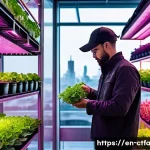
Fruit-bearing plants like tomatoes or beans may be safer since the edible parts don’t contact the soil directly. Growing in containers with clean potting mix or using vertical gardens can also bypass soil contamination issues entirely.
These choices reflect a cautious but practical mindset essential for urban growers.
Community Engagement and Urban Agriculture Policy
Building and Sustaining Community Gardens
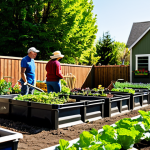
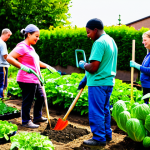
Urban agriculture thrives when it’s a shared endeavor. I’ve seen firsthand how community gardens become vibrant hubs for learning, socializing, and mutual support.
Organizing regular workdays, workshops, and crop swaps keeps enthusiasm alive and spreads knowledge. Establishing clear rules and leadership structures also prevents conflicts and ensures long-term success.
Navigating Local Regulations and Zoning Laws
Understanding city regulations around land use, water rights, and pesticide application is vital. I once nearly lost a garden plot due to misunderstanding a zoning ordinance.
Connecting with local urban ag groups or extension services can provide guidance and advocacy. Staying informed helps avoid legal headaches and opens doors to grants or technical assistance.
Leveraging Urban Agriculture for Social Impact
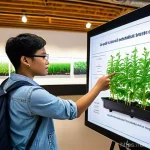
Beyond food production, urban farms can address food deserts, improve mental health, and foster environmental awareness. Programs targeting youth education or job training in agriculture build community resilience and opportunity.
Supporting these initiatives, whether through volunteering or advocacy, amplifies the positive impact of urban farming far beyond your backyard.
| Core Subject | Key Concepts | Practical Tips |
|---|---|---|
| Soil Health | Soil texture, pH, nutrient cycles, organic matter | Test soil early, amend with compost, adjust pH as needed |
| Crop Selection | Variety choice, space optimization, companion planting | Choose disease-resistant varieties, plan succession crops, interplant beneficial species |
| Pest Management | Identification, biological controls, organic pesticides | Regularly scout, introduce beneficial insects, apply neem oil carefully |
| Water Management | Water needs, conservation techniques, irrigation systems | Use mulch, group plants by water use, install drip irrigation |
| Urban Soil Issues | Contamination risks, remediation, safe crop choices | Conduct soil tests, use raised beds, avoid root crops in polluted soil |
| Community & Policy | Garden organization, zoning laws, social benefits | Engage neighbors, understand local laws, support educational programs |
글을 마치며
Urban gardening presents unique challenges but also incredible opportunities to reconnect with nature and nurture fresh food right where we live. By understanding soil fundamentals, selecting suitable crops, managing pests wisely, and conserving water, anyone can create a thriving green space in the city. With a bit of patience and planning, your urban garden will become a vibrant oasis that rewards your efforts season after season.
알아두면 쓸모 있는 정보
1. Testing your soil early on helps identify texture and pH issues, allowing you to amend it for optimal plant growth before problems arise.
2. Succession planting keeps your harvest continuous, avoiding gaps and maximizing limited urban space effectively.
3. Introducing beneficial insects and practicing good garden hygiene can reduce pest problems without relying on harsh chemicals.
4. Mulching and drip irrigation are simple yet powerful water-saving techniques that improve soil moisture retention and plant health.
5. Raised beds and container gardening are excellent ways to avoid urban soil contamination and provide safer growing environments.
핵심 포인트 정리
Urban gardening success hinges on mastering soil health by testing and amending as needed, choosing crops adapted to limited space and local conditions, and employing integrated pest and water management strategies. Awareness of soil contamination risks and adopting safe growing practices protect both plants and people. Finally, engaging with community resources and understanding local regulations empower gardeners to build sustainable and impactful urban agriculture projects.
Frequently Asked Questions (FAQ) 📖
Q: What are the most important subjects to study for successful urban agriculture management?
A: To build a solid foundation in urban agriculture, focus on soil health, plant nutrition, pest and disease management, water conservation, and crop selection suited for city environments.
Understanding soil composition and how to enrich it organically can dramatically improve plant growth. Also, learning about integrated pest management helps you control pests sustainably without harsh chemicals.
These topics collectively enable you to create a thriving urban garden despite space and environmental constraints.
Q: How can I effectively manage pests in an urban garden without using harmful pesticides?
A: Managing pests naturally is crucial in urban settings to protect both your plants and the surrounding community. Techniques like companion planting, introducing beneficial insects (like ladybugs), and using organic sprays made from neem oil or garlic can be very effective.
I’ve personally found that maintaining healthy soil and diverse plant species reduces pest outbreaks significantly, which means less need for interventions.
It’s all about creating a balanced ecosystem that naturally keeps pests in check.
Q: What practical skills will I gain from studying urban agriculture management courses?
A: These courses equip you with hands-on skills such as soil testing, composting, crop rotation, irrigation system setup, and urban farm design. You’ll also learn how to plan your garden layout for maximum yield and sustainability, which is a game-changer when space is limited.
From my experience, being able to troubleshoot common problems like nutrient deficiencies or water stress saves time and resources. Plus, understanding community engagement strategies can help you expand your project’s impact beyond just growing food.