Urban agriculture is gaining momentum as cities strive for sustainability and local food security. Within this growing field, roles like urban agriculture managers and urban agriculture specialists often come up, but they serve distinct purposes.
While both focus on integrating farming into city landscapes, their responsibilities, expertise, and impact can differ significantly. Understanding these differences can help you decide which path aligns best with your interests or organizational needs.
Let’s dive deeper and get a clear picture of what sets these two roles apart!
Key Responsibilities in Urban Agriculture Roles
Strategic Planning and Project Coordination
Urban agriculture managers typically take the helm when it comes to planning large-scale urban farming initiatives. They’re often responsible for coordinating multiple projects simultaneously, ensuring that all activities align with broader sustainability goals and city regulations.
From securing permits to managing budgets, these managers juggle a variety of tasks that require strong organizational skills. In contrast, urban agriculture specialists focus more on the technical and hands-on aspects of farming within the urban environment.
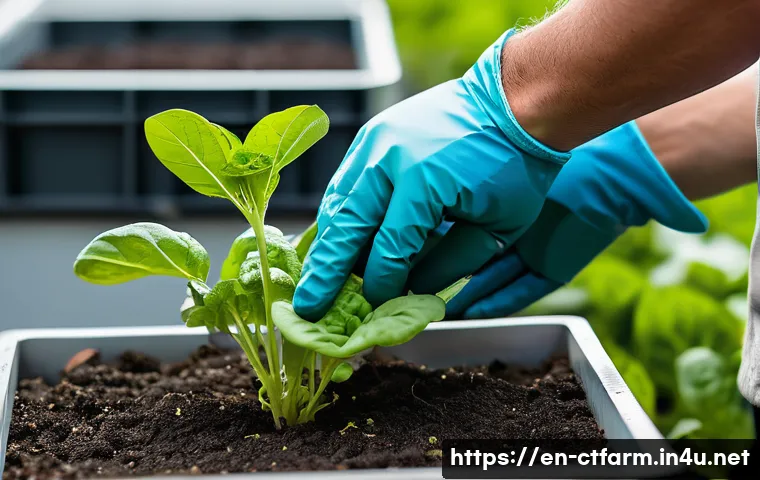
Their role centers around optimizing growing techniques, soil health, and crop selection to maximize yield and sustainability on specific sites. While managers might decide where and when a rooftop farm should be established, specialists are the ones fine-tuning irrigation systems or pest control methods on the ground.
Community Engagement and Education
One area where these roles sometimes overlap is community involvement. Urban agriculture managers often act as liaisons between city officials, local businesses, and community groups, promoting urban farming as a way to improve food security and green spaces.
They may organize workshops or public meetings to foster support and collaboration. Specialists, on the other hand, frequently lead educational programs directly related to farming practices.
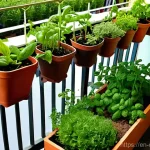
They might teach residents how to start their own container gardens or run demonstration plots that show sustainable techniques in action. This direct interaction helps build trust and encourages knowledge sharing within neighborhoods.
Monitoring and Reporting Outcomes
Keeping track of progress is crucial in urban agriculture projects. Managers usually handle the reporting side, collecting data on project impact, resource use, and financial sustainability.
Their reports help secure future funding and guide policy development. Specialists contribute by providing detailed insights on crop performance, pest issues, and soil conditions.
Their technical expertise ensures that the data managers rely on is accurate and actionable. Together, their complementary roles create a feedback loop that drives continuous improvement in urban farming efforts.
Essential Skills and Expertise Required
Leadership and Organizational Abilities
Urban agriculture managers must demonstrate strong leadership qualities, often overseeing diverse teams that include horticulturists, volunteers, and administrative staff.
Their ability to delegate, motivate, and resolve conflicts is vital to keeping projects on track. They also need sharp budgeting and grant-writing skills to secure and manage funding effectively.
Specialists, while they may occasionally lead small teams, primarily focus on deep technical knowledge and problem-solving abilities related to agriculture.
Their expertise in soil science, plant pathology, and sustainable practices is their strongest asset.
Technical Knowledge and Innovation
The specialist role demands a solid foundation in agronomy and urban environmental challenges. They need to stay current with emerging technologies like hydroponics, vertical farming, and integrated pest management.
Implementing these innovations often requires a trial-and-error approach, so flexibility and creativity are important traits. Managers benefit from understanding these technologies as well, but their focus is more on integrating them within the larger urban planning context rather than hands-on experimentation.
Communication and Networking
Both roles require excellent communication skills, but the audiences they address can vary significantly. Managers often communicate with policymakers, funders, and media, crafting messages that highlight the economic and social benefits of urban agriculture.
Specialists communicate mainly with growers and community members, using accessible language to explain complex agricultural concepts. Effective networking is key for both, enabling them to build partnerships that support project goals.
Typical Work Environments and Daily Activities
Office Versus Field Balance
Urban agriculture managers spend a significant portion of their time in offices or meeting spaces, developing plans, writing reports, and attending stakeholder meetings.
Their day might include reviewing zoning laws, negotiating contracts, or strategizing marketing campaigns for urban farms. Specialists, meanwhile, are more likely to be found outdoors, hands in the soil, assessing plant health, or troubleshooting irrigation systems.
Their daily routine is dynamic, shaped by seasonal changes and unexpected challenges like pest outbreaks or weather events.
Collaboration Across Disciplines
Both roles require collaboration with a wide range of professionals including urban planners, environmental scientists, educators, and community organizers.
Managers coordinate these collaborations at a higher level, ensuring all parties are aligned with project timelines and objectives. Specialists contribute their expertise during these collaborations, offering insights that shape farming practices and sustainability measures.
Examples of Typical Tasks
Managers might spend mornings reviewing grant applications and afternoons meeting with city officials about new green space policies. Specialists could be conducting soil tests in the morning and leading a gardening workshop in the afternoon.
This contrast highlights how the two roles complement each other within the urban agriculture ecosystem.
Career Pathways and Educational Backgrounds
Academic Requirements
Urban agriculture managers often hold degrees in urban planning, environmental policy, business administration, or related fields. Their education equips them with skills in project management, policy analysis, and organizational leadership.
Specialists usually come from agricultural sciences, horticulture, or environmental biology backgrounds. Their training focuses heavily on the science of plant production and sustainable farming methods.
Professional Development and Certifications
Continuous learning is essential in both roles. Managers might pursue certifications in nonprofit management, grant writing, or sustainability leadership.
Specialists benefit from specialized certifications in organic farming, soil science, or integrated pest management. Attending conferences and workshops keeps both roles updated on industry trends and best practices.
Advancement Opportunities
Managers can advance to senior leadership roles within city governments, nonprofit organizations, or environmental consultancies. Specialists might evolve into research scientists, educators, or technical consultants specializing in urban agriculture.
Both paths offer opportunities to influence urban food systems on a larger scale.
Impact on Urban Sustainability and Food Security
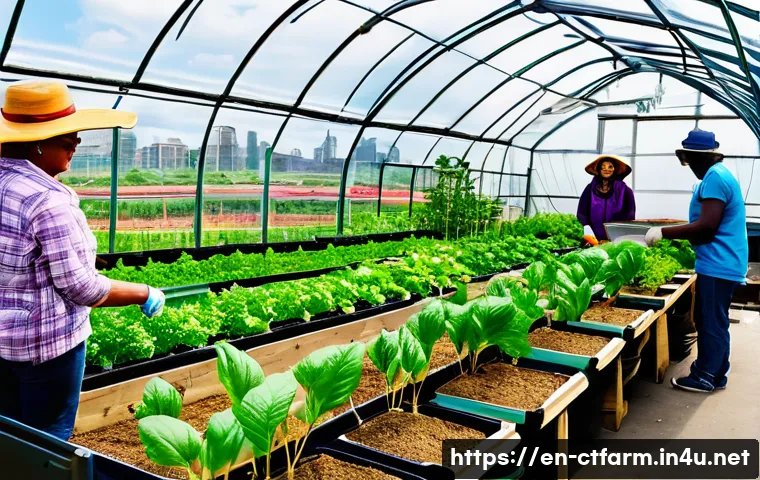
Driving Environmental Benefits
Urban agriculture managers design projects that reduce food miles, enhance biodiversity, and promote green infrastructure. Their strategic approach ensures that urban farming contributes to broader climate resilience goals.
Specialists’ efforts directly improve soil health, water conservation, and crop productivity, making urban farms more sustainable and efficient.
Enhancing Community Well-being
Both roles play a part in improving access to fresh, nutritious food in underserved areas. Managers create programs that address food deserts and engage community members in growing their own food.
Specialists empower individuals with the skills and knowledge to maintain productive gardens, fostering food sovereignty.
Measuring Success and Long-Term Outcomes
Success in urban agriculture isn’t just about harvest yields; it’s also about social equity, environmental health, and economic viability. Managers track these broad outcomes through data collection and reporting, while specialists ensure that farming practices meet sustainability benchmarks.
Together, they build resilient urban food systems that benefit future generations.
Comparing Roles Side by Side
| Aspect | Urban Agriculture Manager | Urban Agriculture Specialist |
|---|---|---|
| Primary Focus | Project planning, coordination, and policy integration | Technical farming practices and site-specific agriculture |
| Key Skills | Leadership, budgeting, communication with stakeholders | Agronomy, soil science, pest management |
| Work Environment | Office-based with meetings and administrative tasks | Field-based with hands-on farming and experimentation |
| Community Role | Building partnerships and public engagement | Education and technical training for growers |
| Education | Urban planning, environmental policy, business | Agricultural sciences, horticulture, biology |
| Impact | Strategic sustainability and food security planning | Improving farming efficiency and ecological health |
Challenges and Opportunities in Urban Agriculture Careers
Addressing Urban Constraints
Both managers and specialists face unique challenges related to urban space limitations, soil contamination, and regulatory hurdles. Managers often negotiate zoning issues and funding constraints, while specialists must innovate around soil quality and limited growing areas.
These challenges push professionals to think creatively and adapt continuously.
Opportunities for Innovation
The rapid growth of urban agriculture opens doors for cutting-edge solutions like aquaponics, vertical farms, and smart irrigation systems. Specialists are on the front lines testing and implementing these technologies, while managers integrate them into scalable projects.
This dynamic environment fosters exciting career growth and the chance to contribute to sustainable city living.
Building Inclusive Food Systems
Both roles have the potential to drive social equity by ensuring that urban farming benefits diverse communities. Managers develop inclusive policies and programs, while specialists work directly with marginalized groups to transfer knowledge and build capacity.
This dual approach strengthens community resilience and promotes food justice.
Tools and Technologies Shaping the Field
Digital Mapping and Data Analytics
Managers leverage GIS mapping and data analytics to plan urban farms effectively, monitor project outcomes, and communicate impact to stakeholders. These tools help optimize land use and resource allocation across the city landscape.
Specialists use data to track plant growth patterns, soil health metrics, and pest outbreaks, enabling precise interventions.
Innovations in Growing Systems
Hydroponics, aeroponics, and vertical farming systems are revolutionizing urban agriculture. Specialists experiment with these methods to increase yields and reduce water usage.
Managers evaluate these innovations for feasibility and integration into larger urban food networks.
Community Platforms and Education Tech
Online platforms and apps help managers engage communities, coordinate volunteer efforts, and share educational resources. Specialists may use virtual workshops, instructional videos, and mobile apps to provide hands-on training remotely.
This tech-driven approach expands urban agriculture’s reach and impact.
Conclusion
Urban agriculture roles, whether managerial or specialist, are vital in shaping sustainable and resilient city food systems. Both positions complement each other by combining strategic oversight with hands-on expertise. Their collaboration drives environmental benefits, community well-being, and long-term food security. Embracing innovation and community engagement remains key to advancing urban farming’s impact in rapidly evolving urban landscapes.
Useful Information to Know
1. Urban agriculture managers focus on planning, policy, and securing resources, while specialists handle technical farming practices and site-specific challenges.
2. Both roles require continuous learning, with managers often pursuing leadership certifications and specialists advancing technical skills through specialized training.
3. Collaboration across disciplines, including urban planners and community organizers, is essential to the success of urban farming projects.
4. Technological advances like hydroponics and digital mapping are transforming how urban agriculture is planned and managed.
5. Community engagement plays a critical role, with managers fostering partnerships and specialists providing hands-on education to empower local growers.
Key Takeaways
Urban agriculture careers demand a blend of leadership, technical expertise, and effective communication. Managers guide projects from concept to policy integration, while specialists ensure sustainable farming practices thrive on the ground. Both face urban-specific challenges that require creativity and adaptability. Their joint efforts not only enhance food security but also promote environmental sustainability and social equity in urban communities.
Frequently Asked Questions (FAQ) 📖
Q: What are the main differences between an urban agriculture manager and an urban agriculture specialist?
A: An urban agriculture manager typically oversees the overall operation of urban farming projects, including planning, budgeting, staffing, and ensuring the initiative meets its sustainability goals.
They often handle administrative and leadership duties. On the other hand, an urban agriculture specialist focuses more on the technical and scientific aspects, such as soil health, crop selection, pest management, and innovative farming techniques tailored for urban environments.
While managers look at the big picture and organizational success, specialists dive deep into the practical and ecological details to optimize production.
Q: What skills or qualifications are needed to become an urban agriculture manager versus a specialist?
A: For an urban agriculture manager, strong leadership, project management, and communication skills are essential. Experience in community engagement and knowledge of urban policy can also be crucial.
A background in agriculture, environmental science, or sustainability helps but often paired with business or nonprofit management expertise. Conversely, an urban agriculture specialist usually requires more technical qualifications, such as a degree in horticulture, agronomy, or environmental science, along with hands-on experience in urban farming techniques.
Specialists must be adept at problem-solving and applying scientific principles to urban settings.
Q: How do these roles impact local communities and city sustainability efforts differently?
A: Urban agriculture managers impact communities by creating and sustaining programs that improve local food access, foster community involvement, and support economic development.
They ensure projects align with broader sustainability goals and secure funding or partnerships. Specialists contribute by improving the efficiency and productivity of urban farms through their expertise, which directly affects food quality and yield.
Their innovations can reduce environmental footprints and help cities adapt to climate challenges. Together, these roles complement each other, blending leadership with technical know-how to drive urban agriculture forward.