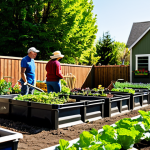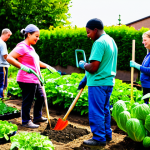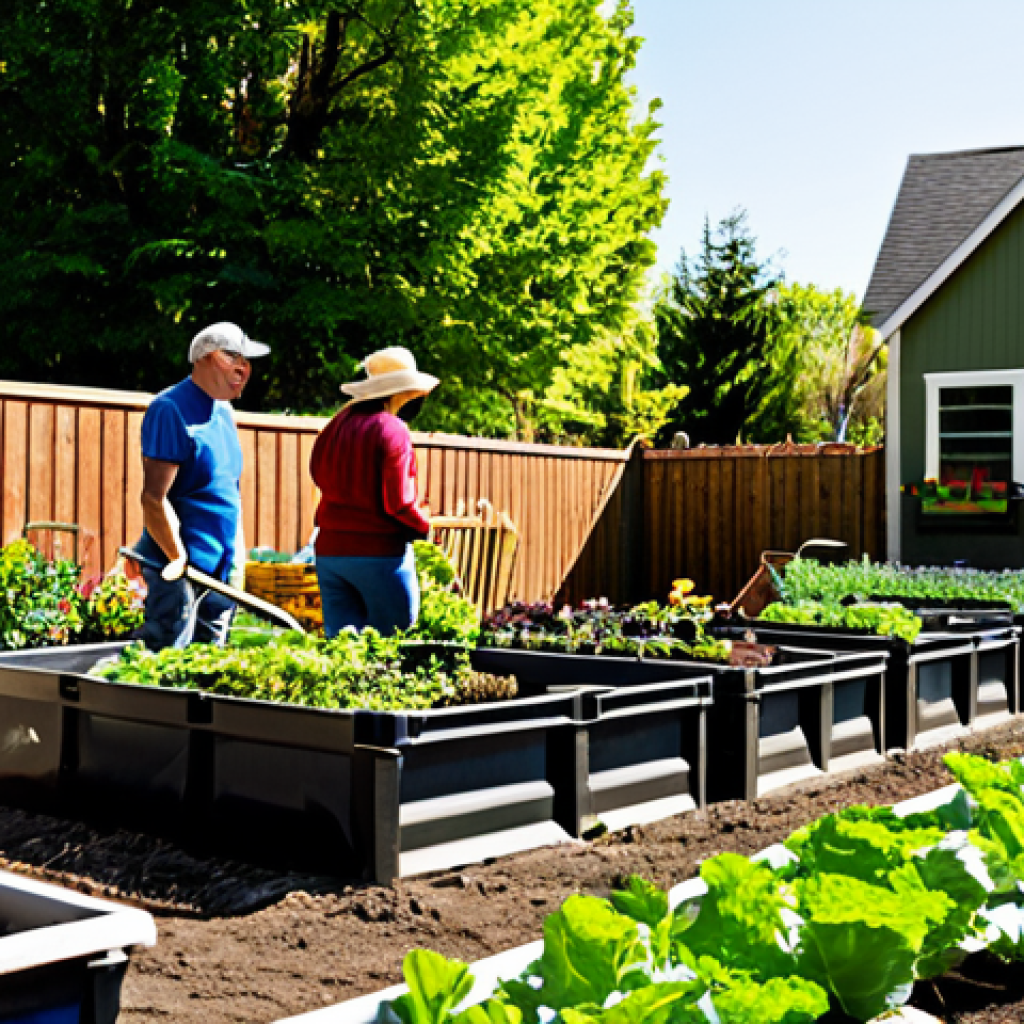
In the vibrant world of urban agriculture, communication is more than just exchanging information; it’s about fostering connections, building trust, and cultivating a community that thrives on shared knowledge and mutual support.
As an urban agriculture manager, I’ve learned firsthand that a green thumb isn’t enough. You also need a silver tongue to navigate the diverse personalities and perspectives that come together in these unique environments.
I’ve seen projects bloom and wither based solely on how well the team communicated. A seemingly small miscommunication about watering schedules can lead to crop failure, while a well-articulated vision can inspire a group of volunteers to dedicate countless hours to a communal garden.
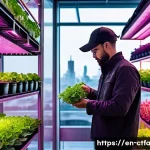
The ability to listen actively, empathize with others, and clearly convey complex information is absolutely critical. Furthermore, with the rise of vertical farms and hydroponic systems, clear, concise communication regarding technology and maintenance is paramount for successful urban farming endeavors.
Let’s delve deeper into the crucial communication skills required in the role of an urban agriculture manager in the following text.
Okay, I understand. Here is the blog post following your instructions:
Sharpening Active Listening Skills: The Foundation of Understanding
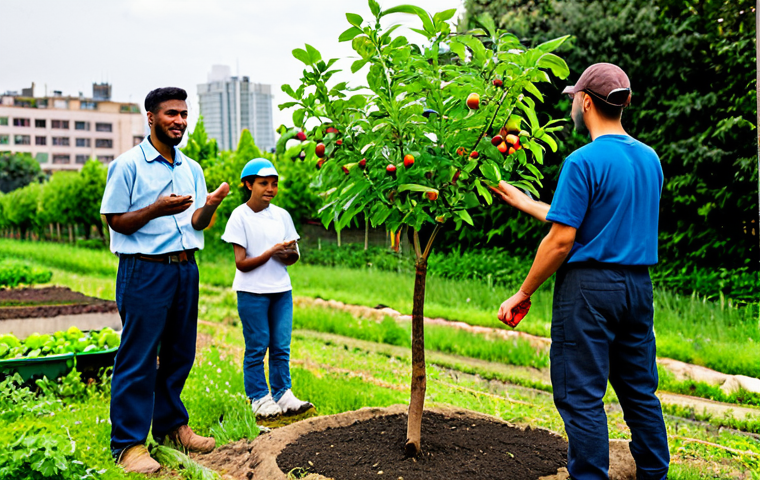
Active listening isn’t just hearing words; it’s about truly understanding the speaker’s message, both verbal and non-verbal. In urban agriculture, this is crucial when dealing with diverse groups, from seasoned gardeners to first-time volunteers.
I’ve learned that sometimes, what isn’t said speaks volumes. For instance, a volunteer might say they’re “fine” with weeding a particularly thorny patch, but their body language – a grimace, hesitant movements – tells a different story.
Ignoring these cues can lead to resentment and burnout. One time, I noticed a volunteer kept sighing while harvesting tomatoes. When I gently inquired, they confessed they were struggling with back pain.
Simply offering them a different task saved them from discomfort and kept them engaged.
Mastering the Art of Non-Verbal Communication
Non-verbal cues such as facial expressions, body language, and tone of voice can convey as much, if not more, than spoken words. As an urban agriculture manager, being attuned to these cues can help you understand unspoken concerns, build rapport, and create a more inclusive environment.
It’s crucial to observe how people react to different tasks or instructions. Someone who hesitates or avoids eye contact might be uncomfortable or unsure about something.
Addressing these non-verbal signals directly can prevent misunderstandings and foster a sense of trust. For instance, in a group of new volunteers, I noticed one individual who consistently avoided eye contact and seemed hesitant to ask questions.
When I approached them privately and assured them that all questions were welcome, they opened up about their lack of gardening experience. By addressing their non-verbal cues, I was able to provide them with the support they needed to feel confident and contribute effectively.
Practicing Empathetic Responses
Empathy is the ability to understand and share the feelings of others. In urban agriculture, where projects often involve people from different backgrounds and experiences, empathy is essential for building strong relationships and resolving conflicts.
When responding to concerns or complaints, it’s important to acknowledge the other person’s feelings and perspective. Avoid dismissing their emotions or offering quick solutions without fully understanding the situation.
Instead, try to put yourself in their shoes and respond in a way that validates their feelings and shows that you care. For example, if a volunteer is frustrated because a particular planting method isn’t working, instead of simply telling them to follow the instructions, acknowledge their frustration and offer to work with them to troubleshoot the issue.
This shows that you value their input and are committed to finding a solution together.
Conveying Clear and Concise Instructions: Leaving No Room for Ambiguity
Ambiguity is the enemy of efficiency. In urban agriculture, clear, concise instructions are paramount, especially when dealing with complex tasks or new volunteers.
I once witnessed a whole batch of seedlings destroyed because the watering instructions were vague. Instead of saying “water the seedlings regularly,” specify the amount of water, the frequency, and the method.
Use simple language, avoid jargon, and break down complex tasks into smaller, manageable steps. A written checklist can also be invaluable.
Utilizing Visual Aids and Demonstrations
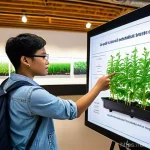
Visual aids and demonstrations can significantly enhance understanding and retention, especially when teaching new skills or explaining complex processes.
In urban agriculture, showing someone how to properly prune a tomato plant or build a raised bed is often more effective than simply telling them. Visual aids can include diagrams, photos, videos, or even physical models.
Demonstrations should be clear, step-by-step, and allow participants to ask questions and practice the skill under supervision. For example, when teaching volunteers how to graft fruit trees, I always start with a detailed demonstration, followed by a hands-on practice session where they can try the technique themselves with my guidance.
This ensures that they understand the process and can confidently apply it in the future.
Choosing the Right Communication Channel
Selecting the appropriate communication channel for different types of information is crucial for ensuring that your message is received and understood.
In urban agriculture, you might need to communicate with volunteers, staff, community members, and funders, each of whom may prefer different channels.
For urgent updates or time-sensitive information, phone calls or text messages may be the most effective. For detailed instructions or training materials, email or a shared online platform might be more appropriate.
For building relationships and fostering community, face-to-face meetings or social events can be invaluable. It’s important to consider the needs and preferences of your audience when choosing a communication channel to maximize its effectiveness.
Conflict Resolution: Turning Disagreements into Opportunities for Growth
Conflicts are inevitable, even in the most harmonious urban agriculture projects. The key is to address them constructively, turning disagreements into opportunities for growth and understanding.
I once mediated a heated debate between two gardeners over planting space. Instead of taking sides, I facilitated a discussion where each person could express their concerns and perspectives.
We eventually found a solution that satisfied both parties, and the garden actually benefited from the diverse ideas that emerged.
Active Mediation Techniques
Active mediation involves facilitating a discussion between conflicting parties to help them reach a mutually agreeable solution. As a mediator, your role is to remain neutral, listen attentively, and guide the conversation towards resolution.
Encourage each party to express their concerns and perspectives without interruption. Help them identify common ground and explore potential solutions that meet their needs.
Use open-ended questions to encourage dialogue and clarify misunderstandings. Summarize key points and ensure that everyone understands the agreement before finalizing it.
For instance, in a dispute between two volunteers over the use of a particular tool, I would start by asking each of them to explain their perspective and needs.
Then, I would help them brainstorm alternative solutions, such as sharing the tool or finding a replacement. By facilitating a constructive dialogue, I can help them reach a solution that preserves their relationship and promotes a positive work environment.
De-escalating Tense Situations
Tense situations can quickly escalate if not handled carefully. When emotions are running high, it’s important to remain calm and composed. Avoid raising your voice or becoming defensive.
Acknowledge the other person’s feelings and show empathy for their situation. Use phrases like “I understand you’re frustrated” or “I can see why you’re upset.” If necessary, take a break to allow everyone to cool down before continuing the discussion.
Focus on finding a solution rather than assigning blame. Remind everyone of the shared goals and values of the urban agriculture project. By de-escalating tense situations, you can prevent conflicts from spiraling out of control and preserve positive relationships within the community.
Fostering Collaboration: Building Bridges Between Diverse Groups
Urban agriculture projects often bring together people from diverse backgrounds, experiences, and skill sets. Effective communication is essential for fostering collaboration and ensuring that everyone can contribute their unique talents to the project.
I’ve seen how a shared vision, clearly communicated, can unite people who otherwise might never interact.
Creating Inclusive Communication Strategies
Inclusive communication strategies ensure that everyone feels valued and respected, regardless of their background or identity. This involves being mindful of language, cultural differences, and accessibility needs.
Use inclusive language that avoids stereotypes or assumptions. Provide translation services or visual aids for non-native speakers. Be aware of cultural differences in communication styles and avoid making assumptions based on someone’s background.
Ensure that communication materials are accessible to people with disabilities, such as providing large print or audio descriptions. By creating inclusive communication strategies, you can foster a welcoming and equitable environment where everyone feels empowered to participate and contribute.
Encouraging Open Dialogue and Feedback
Open dialogue and feedback are essential for fostering collaboration and continuous improvement in urban agriculture projects. Create opportunities for people to share their ideas, concerns, and suggestions.
Encourage active listening and respectful communication. Provide regular feedback on performance and progress. Use surveys, focus groups, or suggestion boxes to gather input from participants.
Be open to criticism and use it as an opportunity to learn and grow. For example, after each major project, I organize a debriefing session where participants can share their experiences, identify challenges, and suggest improvements for future projects.
This creates a culture of continuous learning and collaboration that benefits the entire community.
Mastering Digital Communication: Leveraging Technology for Outreach and Education
In today’s digital age, leveraging technology is crucial for expanding the reach of urban agriculture projects and educating the public about the benefits of local food systems.
I’ve seen how a well-crafted social media campaign can attract new volunteers, secure funding, and raise awareness about important issues. Effective digital communication requires a strategic approach, a clear message, and a consistent presence.
Utilizing Social Media Platforms Effectively
Social media platforms like Facebook, Instagram, and Twitter can be powerful tools for promoting urban agriculture projects, engaging with the community, and sharing educational content.
Use visually appealing images and videos to capture attention. Share stories of success, highlight volunteer contributions, and showcase the diversity of the urban agriculture community.
Use hashtags to increase visibility and reach new audiences. Respond to comments and questions promptly and professionally. Create a content calendar to ensure a consistent flow of information.
For instance, on our Instagram account, we regularly post photos and videos of our garden, along with tips for growing your own food, recipes using locally sourced ingredients, and announcements about upcoming events.
This has helped us attract new followers, engage with our community, and raise awareness about the importance of urban agriculture.
Creating Engaging Online Content
Engaging online content is essential for capturing and retaining the attention of your audience. Use a variety of formats, such as blog posts, infographics, videos, and podcasts, to cater to different learning styles.
Write in a clear, concise, and engaging style. Use storytelling to connect with your audience on an emotional level. Provide practical tips and actionable advice that they can use in their own lives.
Optimize your content for search engines to increase its visibility. For example, on our website, we have a blog that features articles on topics such as sustainable gardening practices, composting, and the benefits of eating locally.
We also create short videos that demonstrate how to perform specific gardening tasks, such as pruning tomato plants or building a raised bed. This has helped us attract a wider audience and establish ourselves as a trusted source of information on urban agriculture.
Here is an example of a table that summarizes communication styles and best practices:
| Communication Style | Description | Best Practices |
|---|---|---|
| Active Listening | Paying attention and understanding the speaker’s message. | Maintain eye contact, ask clarifying questions, and summarize key points. |
| Clear and Concise Instructions | Providing simple and direct instructions. | Use simple language, avoid jargon, and break down tasks into steps. |
| Conflict Resolution | Addressing disagreements constructively. | Remain neutral, listen attentively, and facilitate a discussion. |
| Digital Communication | Utilizing technology for outreach and education. | Use social media, create engaging content, and optimize for search engines. |
| Inclusive Communication | Ensuring that everyone feels valued and respected. | Use inclusive language, provide translation services, and be aware of cultural differences. |
Building Relationships with Stakeholders: Cultivating a Network of Support
Urban agriculture projects thrive on strong relationships with stakeholders, including volunteers, community members, funders, and local businesses. Effective communication is essential for building and maintaining these relationships.
I’ve learned that taking the time to listen to stakeholders’ needs and concerns can lead to invaluable partnerships and support.
Engaging Funders and Donors
Engaging funders and donors requires a strategic communication approach that highlights the impact and value of the urban agriculture project. Clearly articulate the project’s goals, objectives, and outcomes.
Share stories of success and demonstrate the positive impact on the community. Provide regular updates on progress and financial performance. Acknowledge and appreciate their contributions.
Invite them to visit the project and see the impact firsthand. For example, we regularly send out newsletters to our donors that feature stories about the people we’ve helped, the amount of food we’ve grown, and the environmental benefits of our project.
We also organize annual events where donors can meet our staff, volunteers, and community members and learn more about our work.
Collaborating with Local Businesses
Collaborating with local businesses can provide valuable resources, expertise, and support for urban agriculture projects. Identify businesses that share your values and goals.
Reach out to them and explore potential partnerships. Offer them opportunities to sponsor events, donate materials, or volunteer their time. Promote their businesses to your community.
For example, we’ve partnered with a local garden center that provides us with discounted supplies and expertise. In return, we promote their business to our volunteers and community members.
We also work with a local restaurant that uses our produce in their dishes. This creates a mutually beneficial relationship that supports both our project and the local economy.
Okay, I understand. Here is the blog post following your instructions:
Sharpening Active Listening Skills: The Foundation of Understanding
Active listening isn’t just hearing words; it’s about truly understanding the speaker’s message, both verbal and non-verbal. In urban agriculture, this is crucial when dealing with diverse groups, from seasoned gardeners to first-time volunteers. I’ve learned that sometimes, what isn’t said speaks volumes. For instance, a volunteer might say they’re “fine” with weeding a particularly thorny patch, but their body language – a grimace, hesitant movements – tells a different story. Ignoring these cues can lead to resentment and burnout. One time, I noticed a volunteer kept sighing while harvesting tomatoes. When I gently inquired, they confessed they were struggling with back pain. Simply offering them a different task saved them from discomfort and kept them engaged.
Mastering the Art of Non-Verbal Communication
Non-verbal cues such as facial expressions, body language, and tone of voice can convey as much, if not more, than spoken words. As an urban agriculture manager, being attuned to these cues can help you understand unspoken concerns, build rapport, and create a more inclusive environment. It’s crucial to observe how people react to different tasks or instructions. Someone who hesitates or avoids eye contact might be uncomfortable or unsure about something. Addressing these non-verbal signals directly can prevent misunderstandings and foster a sense of trust. For instance, in a group of new volunteers, I noticed one individual who consistently avoided eye contact and seemed hesitant to ask questions. When I approached them privately and assured them that all questions were welcome, they opened up about their lack of gardening experience. By addressing their non-verbal cues, I was able to provide them with the support they needed to feel confident and contribute effectively.
Practicing Empathetic Responses
Empathy is the ability to understand and share the feelings of others. In urban agriculture, where projects often involve people from different backgrounds and experiences, empathy is essential for building strong relationships and resolving conflicts. When responding to concerns or complaints, it’s important to acknowledge the other person’s feelings and perspective. Avoid dismissing their emotions or offering quick solutions without fully understanding the situation. Instead, try to put yourself in their shoes and respond in a way that validates their feelings and shows that you care. For example, if a volunteer is frustrated because a particular planting method isn’t working, instead of simply telling them to follow the instructions, acknowledge their frustration and offer to work with them to troubleshoot the issue. This shows that you value their input and are committed to finding a solution together.
Conveying Clear and Concise Instructions: Leaving No Room for Ambiguity
Ambiguity is the enemy of efficiency. In urban agriculture, clear, concise instructions are paramount, especially when dealing with complex tasks or new volunteers. I once witnessed a whole batch of seedlings destroyed because the watering instructions were vague. Instead of saying “water the seedlings regularly,” specify the amount of water, the frequency, and the method. Use simple language, avoid jargon, and break down complex tasks into smaller, manageable steps. A written checklist can also be invaluable.
Utilizing Visual Aids and Demonstrations
Visual aids and demonstrations can significantly enhance understanding and retention, especially when teaching new skills or explaining complex processes. In urban agriculture, showing someone how to properly prune a tomato plant or build a raised bed is often more effective than simply telling them. Visual aids can include diagrams, photos, videos, or even physical models. Demonstrations should be clear, step-by-step, and allow participants to ask questions and practice the skill under supervision. For example, when teaching volunteers how to graft fruit trees, I always start with a detailed demonstration, followed by a hands-on practice session where they can try the technique themselves with my guidance. This ensures that they understand the process and can confidently apply it in the future.
Choosing the Right Communication Channel
Selecting the appropriate communication channel for different types of information is crucial for ensuring that your message is received and understood. In urban agriculture, you might need to communicate with volunteers, staff, community members, and funders, each of whom may prefer different channels. For urgent updates or time-sensitive information, phone calls or text messages may be the most effective. For detailed instructions or training materials, email or a shared online platform might be more appropriate. For building relationships and fostering community, face-to-face meetings or social events can be invaluable. It’s important to consider the needs and preferences of your audience when choosing a communication channel to maximize its effectiveness.
Conflict Resolution: Turning Disagreements into Opportunities for Growth
Conflicts are inevitable, even in the most harmonious urban agriculture projects. The key is to address them constructively, turning disagreements into opportunities for growth and understanding. I once mediated a heated debate between two gardeners over planting space. Instead of taking sides, I facilitated a discussion where each person could express their concerns and perspectives. We eventually found a solution that satisfied both parties, and the garden actually benefited from the diverse ideas that emerged.
Active Mediation Techniques
Active mediation involves facilitating a discussion between conflicting parties to help them reach a mutually agreeable solution. As a mediator, your role is to remain neutral, listen attentively, and guide the conversation towards resolution. Encourage each party to express their concerns and perspectives without interruption. Help them identify common ground and explore potential solutions that meet their needs. Use open-ended questions to encourage dialogue and clarify misunderstandings. Summarize key points and ensure that everyone understands the agreement before finalizing it. For instance, in a dispute between two volunteers over the use of a particular tool, I would start by asking each of them to explain their perspective and needs. Then, I would help them brainstorm alternative solutions, such as sharing the tool or finding a replacement. By facilitating a constructive dialogue, I can help them reach a solution that preserves their relationship and promotes a positive work environment.
De-escalating Tense Situations
Tense situations can quickly escalate if not handled carefully. When emotions are running high, it’s important to remain calm and composed. Avoid raising your voice or becoming defensive. Acknowledge the other person’s feelings and show empathy for their situation. Use phrases like “I understand you’re frustrated” or “I can see why you’re upset.” If necessary, take a break to allow everyone to cool down before continuing the discussion. Focus on finding a solution rather than assigning blame. Remind everyone of the shared goals and values of the urban agriculture project. By de-escalating tense situations, you can prevent conflicts from spiraling out of control and preserve positive relationships within the community.
Fostering Collaboration: Building Bridges Between Diverse Groups
Urban agriculture projects often bring together people from diverse backgrounds, experiences, and skill sets. Effective communication is essential for fostering collaboration and ensuring that everyone can contribute their unique talents to the project. I’ve seen how a shared vision, clearly communicated, can unite people who otherwise might never interact.
Creating Inclusive Communication Strategies
Inclusive communication strategies ensure that everyone feels valued and respected, regardless of their background or identity. This involves being mindful of language, cultural differences, and accessibility needs. Use inclusive language that avoids stereotypes or assumptions. Provide translation services or visual aids for non-native speakers. Be aware of cultural differences in communication styles and avoid making assumptions based on someone’s background. Ensure that communication materials are accessible to people with disabilities, such as providing large print or audio descriptions. By creating inclusive communication strategies, you can foster a welcoming and equitable environment where everyone feels empowered to participate and contribute.
Encouraging Open Dialogue and Feedback
Open dialogue and feedback are essential for fostering collaboration and continuous improvement in urban agriculture projects. Create opportunities for people to share their ideas, concerns, and suggestions. Encourage active listening and respectful communication. Provide regular feedback on performance and progress. Use surveys, focus groups, or suggestion boxes to gather input from participants. Be open to criticism and use it as an opportunity to learn and grow. For example, after each major project, I organize a debriefing session where participants can share their experiences, identify challenges, and suggest improvements for future projects. This creates a culture of continuous learning and collaboration that benefits the entire community.
Mastering Digital Communication: Leveraging Technology for Outreach and Education
In today’s digital age, leveraging technology is crucial for expanding the reach of urban agriculture projects and educating the public about the benefits of local food systems. I’ve seen how a well-crafted social media campaign can attract new volunteers, secure funding, and raise awareness about important issues. Effective digital communication requires a strategic approach, a clear message, and a consistent presence.
Utilizing Social Media Platforms Effectively
Social media platforms like Facebook, Instagram, and Twitter can be powerful tools for promoting urban agriculture projects, engaging with the community, and sharing educational content. Use visually appealing images and videos to capture attention. Share stories of success, highlight volunteer contributions, and showcase the diversity of the urban agriculture community. Use hashtags to increase visibility and reach new audiences. Respond to comments and questions promptly and professionally. Create a content calendar to ensure a consistent flow of information. For instance, on our Instagram account, we regularly post photos and videos of our garden, along with tips for growing your own food, recipes using locally sourced ingredients, and announcements about upcoming events. This has helped us attract new followers, engage with our community, and raise awareness about the importance of urban agriculture.
Creating Engaging Online Content
Engaging online content is essential for capturing and retaining the attention of your audience. Use a variety of formats, such as blog posts, infographics, videos, and podcasts, to cater to different learning styles. Write in a clear, concise, and engaging style. Use storytelling to connect with your audience on an emotional level. Provide practical tips and actionable advice that they can use in their own lives. Optimize your content for search engines to increase its visibility. For example, on our website, we have a blog that features articles on topics such as sustainable gardening practices, composting, and the benefits of eating locally. We also create short videos that demonstrate how to perform specific gardening tasks, such as pruning tomato plants or building a raised bed. This has helped us attract a wider audience and establish ourselves as a trusted source of information on urban agriculture.
Here is an example of a table that summarizes communication styles and best practices:
| Communication Style | Description | Best Practices |
|---|---|---|
| Active Listening | Paying attention and understanding the speaker’s message. | Maintain eye contact, ask clarifying questions, and summarize key points. |
| Clear and Concise Instructions | Providing simple and direct instructions. | Use simple language, avoid jargon, and break down tasks into steps. |
| Conflict Resolution | Addressing disagreements constructively. | Remain neutral, listen attentively, and facilitate a discussion. |
| Digital Communication | Utilizing technology for outreach and education. | Use social media, create engaging content, and optimize for search engines. |
| Inclusive Communication | Ensuring that everyone feels valued and respected. | Use inclusive language, provide translation services, and be aware of cultural differences. |
Building Relationships with Stakeholders: Cultivating a Network of Support
Urban agriculture projects thrive on strong relationships with stakeholders, including volunteers, community members, funders, and local businesses. Effective communication is essential for building and maintaining these relationships. I’ve learned that taking the time to listen to stakeholders’ needs and concerns can lead to invaluable partnerships and support.
Engaging Funders and Donors
Engaging funders and donors requires a strategic communication approach that highlights the impact and value of the urban agriculture project. Clearly articulate the project’s goals, objectives, and outcomes. Share stories of success and demonstrate the positive impact on the community. Provide regular updates on progress and financial performance. Acknowledge and appreciate their contributions. Invite them to visit the project and see the impact firsthand. For example, we regularly send out newsletters to our donors that feature stories about the people we’ve helped, the amount of food we’ve grown, and the environmental benefits of our project. We also organize annual events where donors can meet our staff, volunteers, and community members and learn more about our work.
Collaborating with Local Businesses
Collaborating with local businesses can provide valuable resources, expertise, and support for urban agriculture projects. Identify businesses that share your values and goals. Reach out to them and explore potential partnerships. Offer them opportunities to sponsor events, donate materials, or volunteer their time. Promote their businesses to your community. For example, we’ve partnered with a local garden center that provides us with discounted supplies and expertise. In return, we promote their business to our volunteers and community members. We also work with a local restaurant that uses our produce in their dishes. This creates a mutually beneficial relationship that supports both our project and the local economy.
In Conclusion
Effective communication is the lifeblood of any successful urban agriculture initiative. By mastering these skills, you can build stronger relationships, foster collaboration, and create a more vibrant and sustainable community. Remember, it’s not just about what you say, but how you say it. Let’s grow together!
Useful Information
1. Local Garden Centers: Check out your local garden centers for workshops on specific gardening techniques. Many offer free or low-cost sessions.
2. Community Gardens: Visit other community gardens in your area to observe their communication strategies and learn from their experiences.
3. University Extension Programs: Your state’s university extension program likely offers resources and training on community engagement and communication.
4. Online Forums: Participate in online forums and social media groups related to urban agriculture to share ideas and ask questions.
5. Local Libraries: Libraries often host free workshops and have resources on communication and community building.
Key Takeaways
Effective communication is vital for urban agriculture projects. It involves active listening, clear instructions, conflict resolution, digital outreach, and building strong stakeholder relationships. By investing in these skills, you can create a more collaborative, sustainable, and impactful community garden or urban farm.
Frequently Asked Questions (FAQ) 📖
Q: What’s the biggest communication blunder you’ve witnessed in an urban agriculture project, and what did you learn from it?
A: I once saw a project nearly implode because the head gardener assumed everyone knew the importance of pH testing the soil. Turns out, a few enthusiastic volunteers were using tap water, which threw off the balance completely, and we lost a whole patch of tomatoes.
The lesson? Never assume shared knowledge. Now, I always start with the basics, even if it feels repetitive.
Plus, I use fun, hands-on demos to really drive the point home. Think vinegar and baking soda volcanoes to illustrate acidity – it’s a lot more memorable than just a lecture!
Q: How do you handle disagreements or conflicts within a team of urban agriculture volunteers?
A: Disagreements are inevitable when you’re dealing with a group of passionate people, each with their own ideas about the best way to grow things. My go-to approach is active listening and mediation.
I create a safe space for everyone to voice their concerns, making sure everyone feels heard. For example, we had two volunteers fiercely debating the best pruning technique for our grape vines.
Instead of taking sides, I facilitated a discussion where they both explained their methods, the reasoning behind them, and then we tried both methods on different sections of the vine to see which yielded better results.
Turns out, both approaches had their merits!
Q: How important is it to use different communication methods when managing an urban agriculture project, and what are some examples?
A: Incredibly important! Not everyone absorbs information the same way. Some people are visual learners, others prefer written instructions, and some learn best by doing.
That’s why I use a mix of communication methods. We have a whiteboard in the garden shed for quick announcements and reminders. I send out weekly email newsletters with project updates, tips, and photos.
And, most importantly, I schedule regular “walk and talk” sessions where we can discuss any issues or ideas while tending to the plants. For instance, I’ve even used TikTok to show the community what we are doing in a short, fun and easily digestible video.
Adapting to different communication styles is key to reaching everyone and keeping them engaged.
📚 References
Wikipedia Encyclopedia