As cities continue to grow and face environmental challenges, urban agriculture managers are stepping into the spotlight as catalysts for change. Their work not only transforms unused urban spaces into thriving green hubs but also empowers communities by promoting food security and sustainability.
In a world increasingly focused on climate resilience and local solutions, understanding how these leaders shape sustainable cities has never been more relevant.
Join me as we explore the innovative ways urban agriculture managers are redefining city living and building stronger, more connected neighborhoods. This journey into urban farming reveals insights that can inspire us all toward a greener future.
Fostering Community Engagement Through Green Spaces
Creating Inclusive Urban Gardens
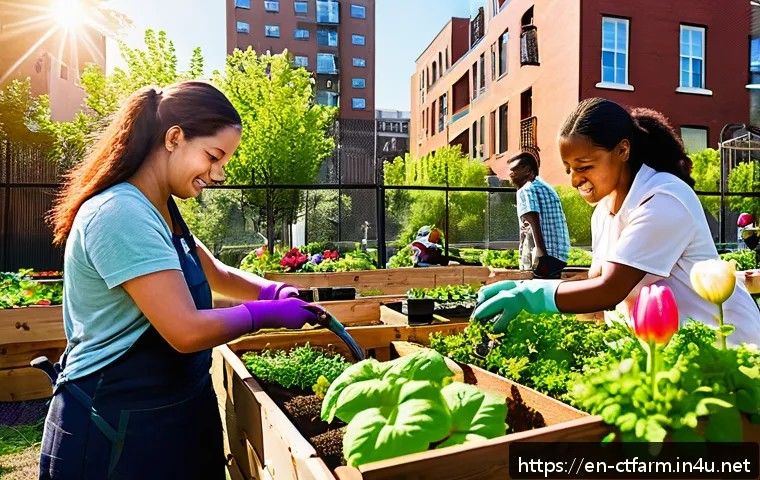
One of the most inspiring aspects of urban agriculture management is the way it brings people together from all walks of life. Urban agriculture managers often work closely with community members to design and maintain gardens that reflect the neighborhood’s diversity and needs.
I’ve seen firsthand how these spaces become more than just patches of green—they turn into vibrant social hubs where neighbors share stories, seeds, and gardening tips.
The inclusivity nurtured in these gardens helps break down barriers, encouraging collaboration among age groups, cultural backgrounds, and socioeconomic statuses.
Education and Skill-Building Initiatives
Beyond planting and harvesting, urban agriculture managers frequently organize workshops and educational programs aimed at teaching sustainable practices.
These sessions cover everything from composting basics to seasonal planting calendars, empowering residents with knowledge that benefits their health and the environment.
I recall visiting a community garden where a manager led a class on pollinator-friendly plants, and the enthusiasm from attendees was contagious. It’s clear that these educational efforts not only increase gardening success rates but also deepen community pride and environmental stewardship.
Promoting Mental Well-Being Through Nature
There’s growing evidence that green spaces in cities can significantly improve mental health, and urban agriculture managers are at the forefront of making that happen.
Many managers intentionally design gardens with quiet nooks, sensory plants, and areas for relaxation, recognizing that these features offer therapeutic benefits.
Personally, I’ve spent afternoons in such gardens feeling a genuine sense of calm and connection, which is a rare commodity in hectic urban settings. These natural retreats foster mindfulness and reduce stress, making urban agriculture a vital contributor to overall community wellness.
Optimizing Limited Urban Spaces for Maximum Impact
Innovative Use of Vertical and Rooftop Gardens
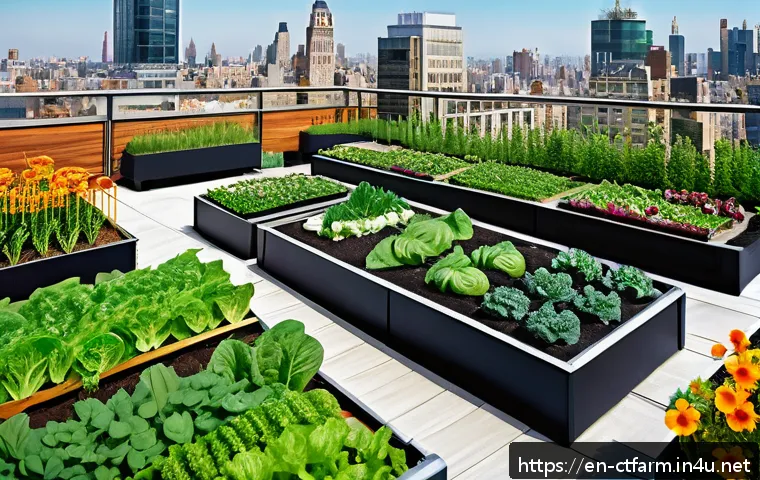
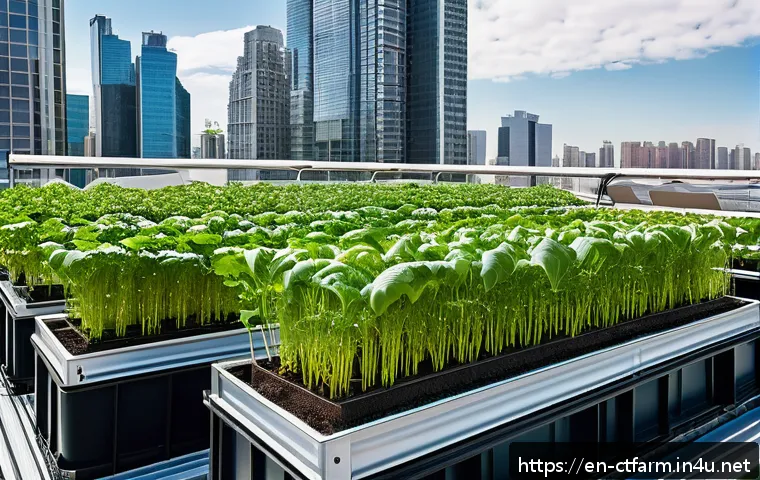
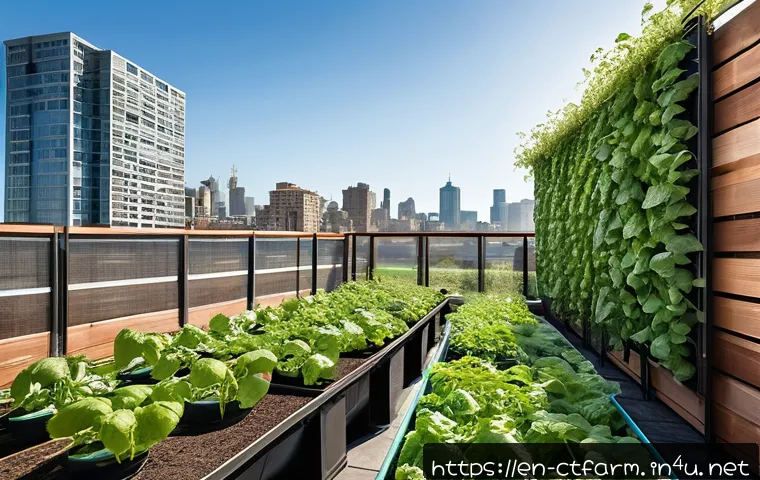
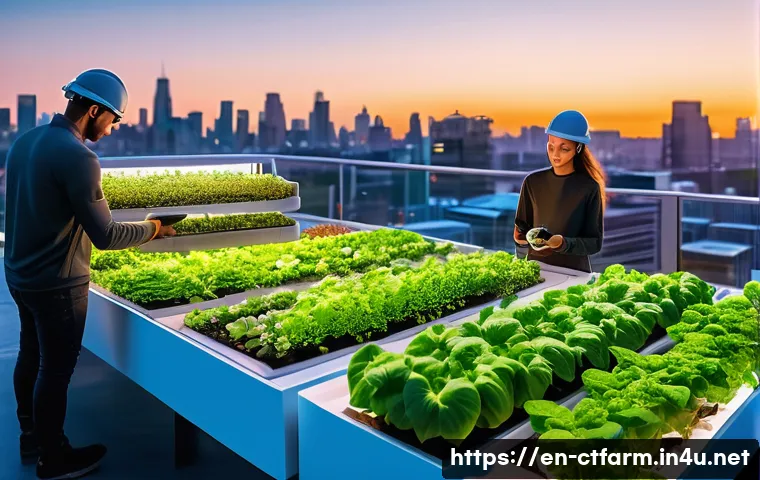
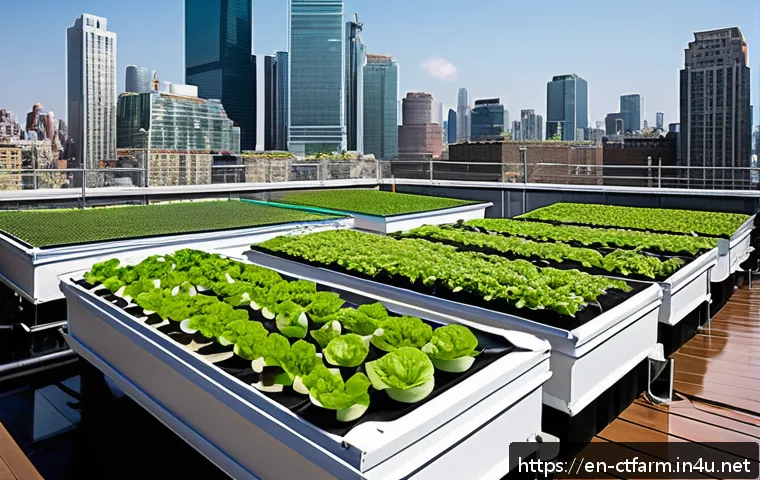
Space is always at a premium in cities, and urban agriculture managers have become masters of creative solutions. Vertical gardens, green walls, and rooftop farms are no longer just concepts—they’re thriving realities that turn underutilized areas into productive landscapes.
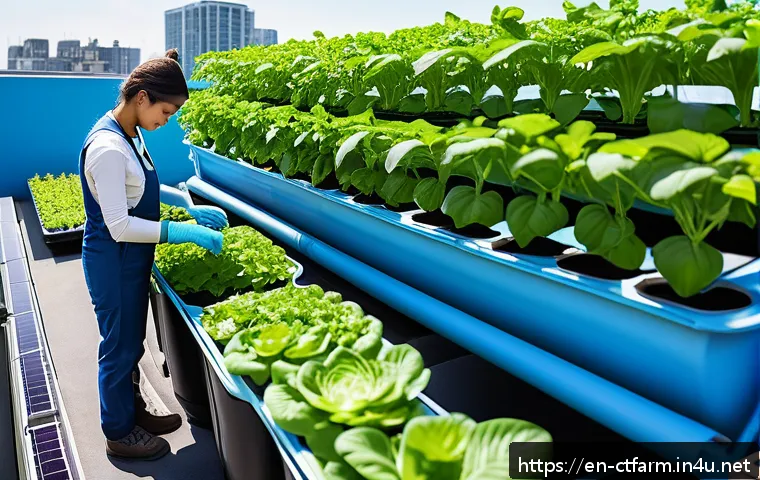
I’ve toured several rooftop farms where every inch is maximized for growing fresh produce, often employing hydroponic or aquaponic systems. These innovations not only increase yield but also help insulate buildings, reducing energy costs and urban heat island effects.
Transforming Vacant Lots into Productive Land
Vacant lots can often be eyesores or magnets for illegal dumping, but urban agriculture managers see opportunity where others see neglect. Through soil testing, remediation, and community collaboration, these spaces are converted into lush gardens or mini-farms.
In one case I followed, a former parking lot became a flourishing vegetable garden that supplies local food banks. The transformation process requires patience and expertise, but the payoff is huge—turning blight into bounty benefits the environment and revitalizes neighborhoods.
Smart Water Management Techniques
Water scarcity and sustainability are critical concerns in urban farming, and managers are adopting smart irrigation and rainwater harvesting systems to tackle these issues.
I’ve observed rain barrels and drip irrigation setups integrated seamlessly into garden designs, ensuring plants get exactly what they need without waste.
Such practices not only conserve precious resources but also reduce operational costs, making urban agriculture projects more viable long-term.
Driving Local Food Security and Economic Opportunities
Providing Fresh Produce in Food Deserts
Urban agriculture managers play a crucial role in addressing food insecurity by growing fresh, affordable produce in areas where access to healthy food is limited.
These efforts often supplement local markets and provide residents with nutritious options that might otherwise be out of reach. In my experience visiting these projects, the enthusiasm from community members eager to pick their own tomatoes or herbs was palpable—this direct access helps build healthier eating habits and fosters a sense of ownership.
Creating Jobs and Supporting Small Businesses
Beyond food production, urban agriculture can stimulate local economies by creating green jobs and supporting entrepreneurs. Managers often facilitate training programs for urban farmers and connect them with markets, restaurants, or co-ops.
I’ve encountered several success stories where small-scale growers expanded their operations into profitable ventures thanks to the guidance and resources provided by these managers.
This economic ripple effect strengthens neighborhoods and contributes to sustainable urban development.
Collaborating with Policy Makers and Organizations
Urban agriculture managers don’t work in isolation—they frequently partner with city officials, nonprofits, and educational institutions to secure funding, land access, and technical support.
These collaborations can lead to policy changes that encourage more sustainable land use and resource allocation. For example, I’ve seen how advocacy efforts helped pass ordinances supporting community gardens and urban farms, demonstrating the power of combined expertise and grassroots action.
Harnessing Technology to Enhance Urban Farming Efficiency
Implementing Data-Driven Crop Management
Modern urban agriculture increasingly relies on technology, and managers are embracing tools like sensors, drones, and data analytics to optimize growth conditions.
By monitoring soil moisture, nutrient levels, and weather patterns, they can make informed decisions that boost yields and minimize resource use. I had the chance to visit a tech-savvy urban farm where a manager used real-time data to adjust irrigation schedules, which not only saved water but also improved crop quality significantly.
Utilizing Mobile Apps for Community Coordination
Communication and coordination are vital in community gardens and urban farms, and mobile apps have become indispensable tools. Managers use platforms that allow residents to sign up for volunteer shifts, share updates, and track harvests.
From what I’ve observed, these apps increase participation and transparency, making the management process smoother and more inclusive. They also foster a sense of accountability and excitement around garden activities.
Exploring Renewable Energy Solutions
Sustainability in urban agriculture extends beyond the soil, and many managers are integrating renewable energy sources to power their operations. Solar panels, wind turbines, and energy-efficient lighting reduce environmental footprints and operating costs.
I visited a community farm that installed solar panels to run water pumps and cold storage, significantly enhancing its sustainability profile. These forward-thinking practices demonstrate how urban farming can lead by example in combating climate change.
Measuring Impact and Scaling Success
Tracking Environmental and Social Benefits
To justify funding and expand programs, urban agriculture managers often develop systems to measure impact. Metrics like carbon sequestration, biodiversity increase, and community participation rates provide tangible evidence of success.
From my conversations with several managers, I learned that these evaluations are crucial for continuous improvement and advocacy. They help stakeholders understand the multifaceted value of urban farming beyond just food production.
Replicating Models Across Different Neighborhoods
Successful urban agriculture initiatives often serve as templates for other communities, and managers play a key role in sharing best practices. I’ve noticed networks forming where managers exchange knowledge on everything from soil preparation to community engagement strategies.
This replication accelerates the spread of sustainable urban agriculture, adapting to diverse local contexts while maintaining core principles.
Building Long-Term Community Ownership
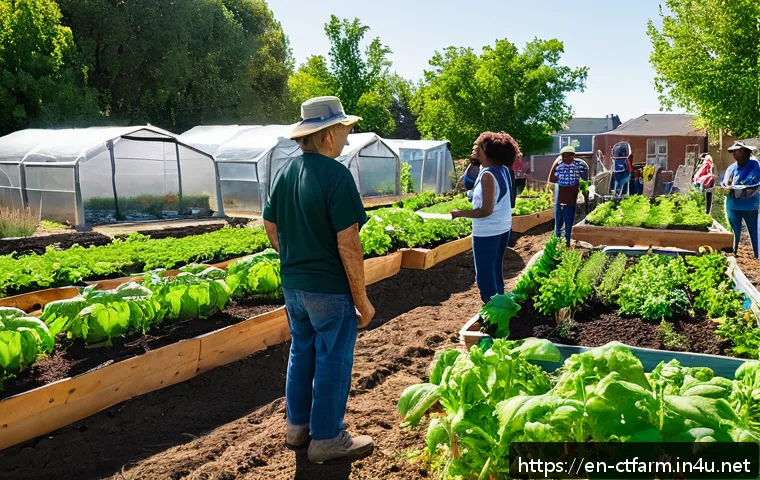
The ultimate goal for many urban agriculture managers is to foster a sense of ownership among residents so that gardens thrive independently. This involves training local leaders, establishing governance structures, and encouraging stewardship.
In a garden I visited, community members took charge of decision-making and maintenance, which led to a noticeable increase in care and productivity. Empowering people in this way ensures that urban agriculture remains resilient and impactful over time.
| Aspect | Key Strategies | Benefits |
|---|---|---|
| Community Engagement | Inclusive gardens, education programs, mental well-being design | Social cohesion, knowledge sharing, improved mental health |
| Space Optimization | Vertical/r rooftop gardens, vacant lot conversion, smart irrigation | Maximized yield, reduced urban heat, water conservation |
| Food Security & Economy | Food desert initiatives, job creation, policy collaboration | Access to fresh food, local employment, supportive legislation |
| Technology Use | Data-driven farming, mobile apps, renewable energy | Resource efficiency, improved coordination, sustainability |
| Impact & Scaling | Impact tracking, model replication, community ownership | Continuous improvement, expanded reach, long-term resilience |
Building Resilience Against Climate Challenges
Adapting Crops to Urban Microclimates
Urban agriculture managers often experiment with crop varieties that can withstand the unique conditions of city environments, such as heat islands or limited sunlight.
Through trial and error, they identify plants that thrive despite urban stressors. I’ve seen managers cultivate drought-resistant herbs and vegetables that perform well on rooftops exposed to intense sun, ensuring consistent production even in challenging climates.
Implementing Soil Health Practices
Healthy soil is the backbone of sustainable farming, and managers prioritize practices like composting, cover cropping, and organic amendments. These methods improve soil structure, increase nutrient availability, and enhance water retention.
In community gardens I’ve visited, the dedication to soil stewardship was evident in the lushness of the plants and the enthusiasm of the growers, who take pride in nurturing the earth beneath their feet.
Preparing for Extreme Weather Events
With climate change increasing the frequency of storms and droughts, urban agriculture managers are proactive about resilience. They build raised beds to avoid flooding, install shade cloths to protect from heatwaves, and develop contingency plans for crop loss.
These strategies minimize risk and maintain food production during unpredictable weather, safeguarding the communities that depend on these urban farms.
Encouraging Sustainable Consumption Patterns
Promoting Seasonal and Local Eating
Urban agriculture managers educate communities about the benefits of eating seasonally and locally grown food, which reduces carbon footprints and supports local economies.
I’ve noticed that when residents understand where their food comes from and witness its growth, they develop a deeper appreciation and preference for fresh, in-season produce.
This shift in consumer habits contributes to sustainability on a broader scale.
Reducing Food Waste Through Creative Solutions
Many urban farms implement strategies to minimize waste, such as composting scraps, donating surplus harvests, or creating value-added products like jams and pickles.
During a visit to an urban farm, I saw volunteers turning excess tomatoes into sauces, which were then sold at local markets. These efforts extend the life cycle of food, reduce landfill contributions, and generate additional income streams.
Encouraging DIY Food Preservation
Managers often host workshops on preserving food through canning, drying, or fermenting, empowering people to enjoy their harvest longer. I participated in one such workshop and was amazed at how accessible and rewarding these techniques are.
They not only reduce waste but also reconnect people with traditional food preparation methods, fostering cultural pride and sustainability.
Navigating Challenges and Building Support Networks
Addressing Land Tenure and Access Issues
Securing stable land access is one of the biggest hurdles urban agriculture managers face. Negotiating with landlords, municipalities, or private owners requires patience and diplomacy.
I’ve heard stories of managers who successfully turned temporary agreements into long-term leases, providing gardeners with security and confidence to invest in their plots.
These victories are essential for the sustainability of urban farms.
Overcoming Funding and Resource Limitations
Funding remains a constant challenge, and managers must be creative in sourcing grants, donations, and partnerships. I’ve seen managers organize fundraising events, apply for multiple grants simultaneously, and collaborate with local businesses to secure tools and materials.
These efforts highlight the resilience and resourcefulness required to sustain urban agriculture projects.
Building Collaborative Networks
No manager operates alone—forming networks with other urban farmers, nonprofits, and government agencies is vital. These alliances provide technical support, advocacy strength, and shared learning opportunities.
I’ve observed how such collaborations amplify impact and create a sense of solidarity among practitioners, making the urban agriculture movement stronger and more unified.
Conclusion
Urban agriculture is more than just growing food—it’s about building stronger, healthier communities through thoughtful design, education, and collaboration. The innovative approaches to space, technology, and sustainability highlight how cities can thrive even in limited environments. As these green spaces continue to expand, they offer tangible benefits that touch every aspect of urban life, from mental well-being to economic opportunity.
Useful Information to Know
1. Inclusive urban gardens foster community bonding by embracing diversity and encouraging shared experiences.
2. Educational programs equip residents with practical skills that promote sustainable gardening and environmental care.
3. Optimizing limited city spaces through vertical gardens and rooftop farms maximizes food production and environmental benefits.
4. Urban agriculture helps tackle food insecurity while generating local jobs and supporting small business growth.
5. Technology and renewable energy integration improve efficiency, resource management, and sustainability in urban farming.
Key Takeaways
Successful urban agriculture hinges on inclusive community engagement, smart use of limited spaces, and strong partnerships with local stakeholders. Embracing innovative technologies and sustainable practices ensures these projects remain resilient amid climate challenges. Ultimately, empowering residents to take ownership sustains long-term benefits, making urban agriculture a vital part of thriving cities.
Frequently Asked Questions (FAQ) 📖
Q: What role do urban agriculture managers play in improving food security in cities?
A: Urban agriculture managers are crucial in boosting food security by transforming underutilized urban spaces into productive gardens and farms. They coordinate community efforts to grow fresh, local produce, which reduces dependency on long supply chains and enhances access to nutritious food.
From my experience working alongside such managers, their ability to engage residents and local organizations fosters a sense of ownership and ensures that food reaches those who need it most, making cities more resilient against food shortages.
Q: How do urban agriculture managers contribute to environmental sustainability in urban areas?
A: These managers implement eco-friendly practices like composting, rainwater harvesting, and organic farming, which significantly reduce urban environmental footprints.
By greening vacant lots and rooftops, they help combat heat island effects and improve air quality. Having seen their projects firsthand, I can say they turn overlooked spaces into biodiversity hotspots, supporting pollinators and enhancing overall urban ecology while promoting sustainable living habits among community members.
Q: What challenges do urban agriculture managers face when developing community-based farming projects?
A: One major challenge is securing consistent funding and resources, as urban agriculture often competes with other city priorities. Additionally, they must navigate zoning laws, soil contamination issues, and community skepticism.
From conversations with managers, I learned that building trust within diverse neighborhoods takes time and patience. However, their dedication to inclusive education and collaborative decision-making usually helps overcome these hurdles, ultimately creating thriving green spaces that reflect the community’s needs and values.