As cities continue to grow and environmental concerns mount, urban farming has emerged as a powerful solution for sustainable living and fresh food access.
More entrepreneurs are diving into this green revolution, blending technology and creativity to transform unused urban spaces into thriving gardens. Whether you’re a seasoned grower or just starting out, innovative startup ideas in urban agriculture offer exciting opportunities to make a real impact.
Let’s explore how you can unlock success in this booming sector, turning passion into profit while nurturing healthier communities. Stick around for practical insights and inspiring concepts that could shape your green business journey.
Maximizing Limited Urban Spaces for Farming Success
Creative Use of Vertical and Rooftop Gardens
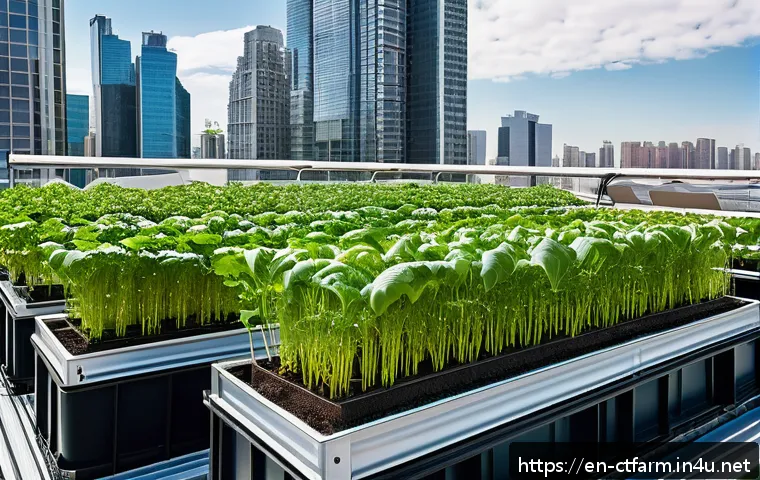
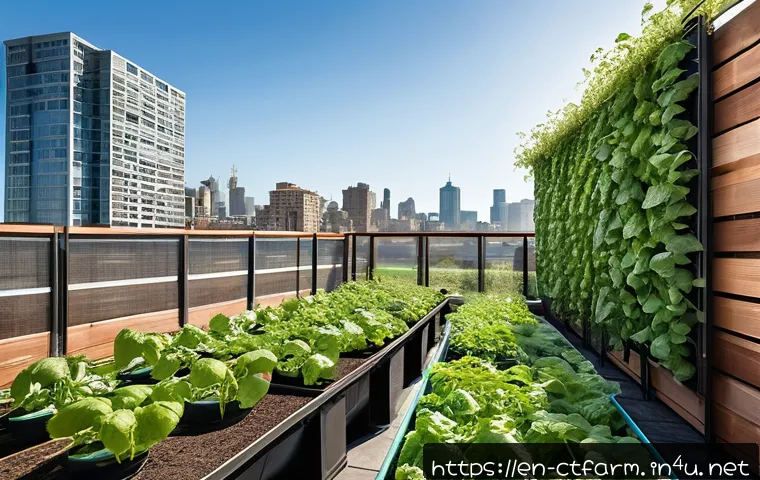
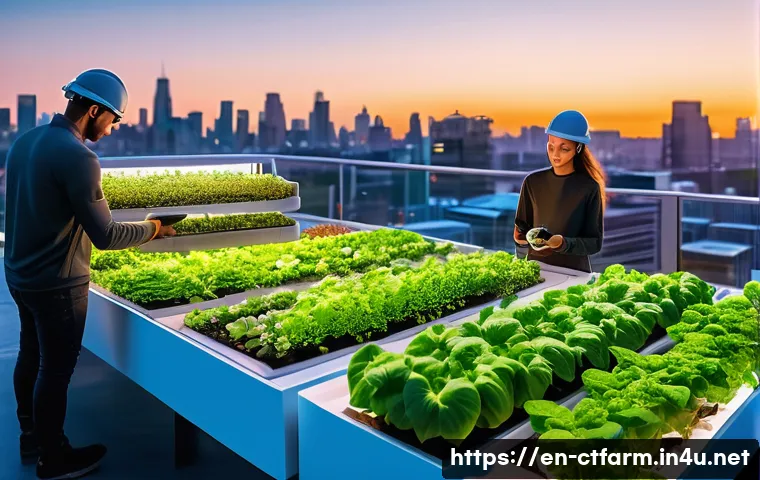
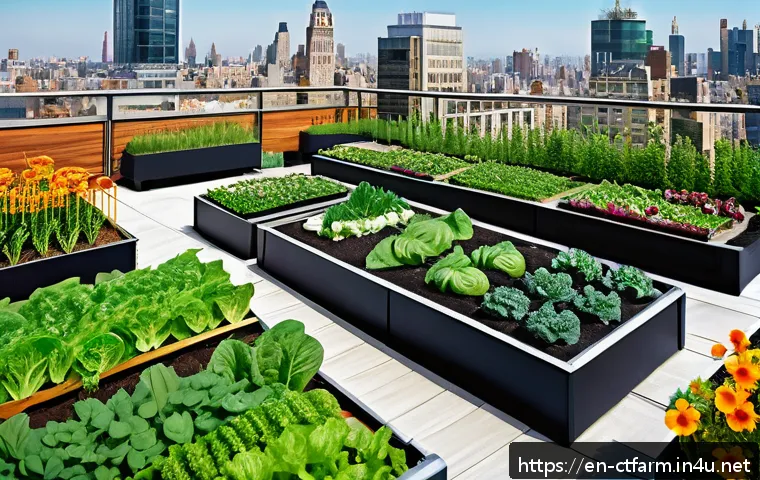
Urban areas rarely offer vast open fields, so making the most out of vertical walls and rooftops is a game changer. I’ve seen small startups turn bare building exteriors into lush vertical farms that not only save space but also create striking green aesthetics.
Rooftop gardens, especially in cities with dense populations, provide an oasis where fresh produce can flourish under the sun, right above the hustle and bustle.
The key lies in lightweight soil alternatives and modular planters that simplify setup and maintenance. This approach also reduces the urban heat island effect, making city living more comfortable and sustainable.
Smart Microgreen and Herb Farming Indoors
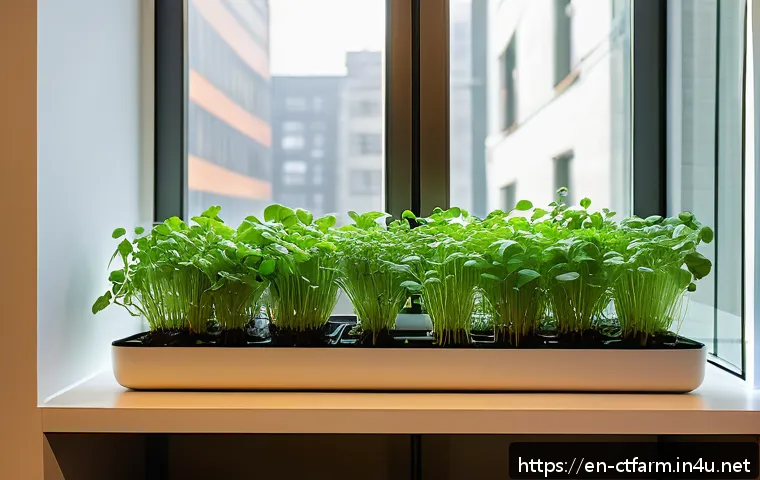
Indoor farming of microgreens and herbs has become wildly popular, particularly for entrepreneurs starting with limited capital. From my experience, these crops grow fast and have a high market value, which makes them ideal for quick returns.
Using hydroponic systems or simple soil trays under LED grow lights can turn a small apartment or office space into a mini-farm. Plus, it’s incredibly rewarding to see fresh greens sprouting in just a couple of weeks.
Urban dwellers love buying local, pesticide-free greens, so marketing your produce as fresh-from-the-city can boost sales significantly.
Community-Supported Agriculture (CSA) Partnerships
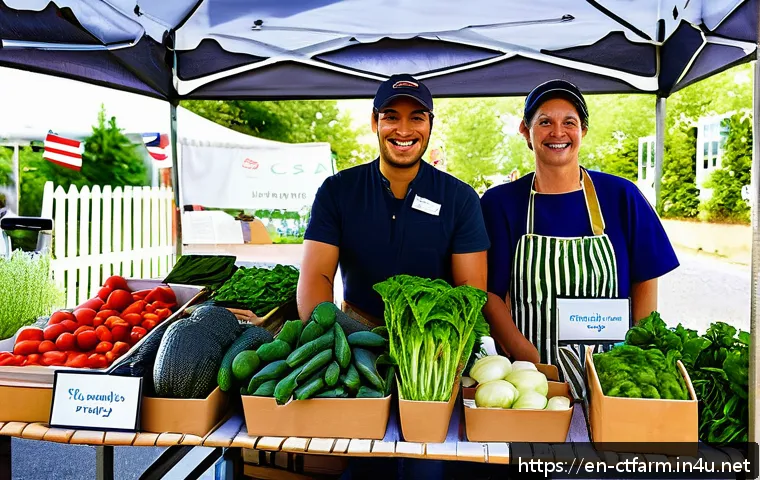
Building partnerships with local consumers through CSA models provides steady income and builds a loyal customer base. When I first started, offering subscription boxes with weekly or biweekly deliveries of seasonal veggies helped stabilize cash flow.
It also fosters a sense of community involvement and sustainability awareness. Incorporating workshops or farm tours can deepen engagement, turning customers into brand ambassadors.
This model works best when the startup can guarantee consistent quality and supply, so planning crop cycles carefully is essential.
Integrating Technology to Boost Urban Farm Efficiency
IoT Sensors for Real-Time Crop Monitoring
The use of Internet of Things (IoT) sensors to track soil moisture, temperature, and nutrient levels has revolutionized urban farming. Personally, installing affordable sensors in my urban garden allowed me to optimize watering schedules and avoid overfeeding plants, saving resources and improving yields.
These devices provide data accessible via smartphone apps, making it easy to manage farms remotely or automate irrigation. This tech integration not only enhances productivity but also reduces labor costs, a crucial factor for startups with limited manpower.
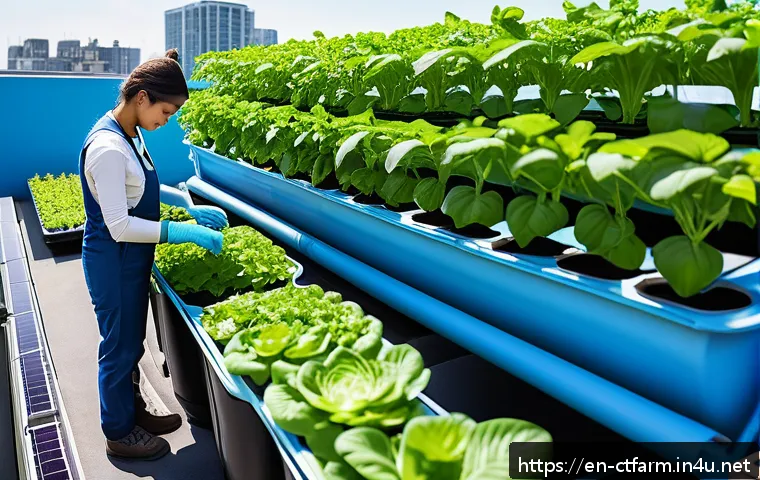
Automated Hydroponic and Aquaponic Systems
Automating water circulation and nutrient delivery through hydroponics or aquaponics can dramatically increase output while minimizing water use. I’ve witnessed small-scale systems run on timers and pumps that maintain perfect growing conditions without constant human intervention.
Aquaponics, which combines fish farming and plant cultivation, creates a closed-loop ecosystem, reducing waste and creating dual revenue streams. Although initial setup costs can be higher, the long-term savings and environmental benefits make automation an attractive choice for scaling urban farms.
Data-Driven Crop Selection and Yield Prediction
Leveraging data analytics to choose the best crops for specific urban conditions can save time and prevent costly mistakes. Early in my journey, I relied on trial and error, but now many startups use software that analyzes climate data, market demand, and crop growth patterns to predict yields and profitability.
This informed decision-making allows entrepreneurs to focus on high-value crops that thrive in city environments. Using such tools, you can also schedule planting cycles to ensure continuous harvest and steady income.
Building a Brand That Resonates With Urban Consumers
Storytelling Through Sustainability and Local Impact
Customers today want more than just fresh food; they crave connection and meaning behind their purchases. Sharing your urban farm’s story—whether it’s revitalizing abandoned lots or reducing carbon footprints—creates an emotional bond that encourages loyalty.
I found that posting behind-the-scenes content and farmer profiles on social media helps humanize the business. Highlighting your commitment to sustainability and community empowerment differentiates you from generic grocery options and inspires repeat buyers.
Collaborating With Local Businesses and Chefs
Partnering with nearby restaurants, cafes, and specialty stores can open new sales channels and elevate your farm’s reputation. Chefs often seek unique, fresh ingredients to craft distinctive menus, and local urban farms are a perfect match.
I once connected with a popular farm-to-table eatery that featured my produce in seasonal dishes, which boosted my visibility and credibility. Hosting tasting events or farm dinners also attracts food enthusiasts and creates buzz around your brand.
Packaging and Presentation That Reflect Quality
Investing in eco-friendly, attractive packaging can make a huge difference in customer perception and willingness to pay premium prices. When I started, using simple recyclable containers labeled with clear, vibrant branding helped convey freshness and care.
Including recipe cards or usage tips adds value and encourages customers to experiment with new vegetables or herbs. Thoughtful presentation shows professionalism and respect for the consumer experience, which is crucial in a competitive market.
Financial Strategies for Urban Farming Startups
Cost-Effective Resource Management
Balancing expenses is critical, especially when dealing with higher urban land or rental costs. I learned that sourcing compost and organic fertilizers locally, or even making my own, significantly cut costs.
Water conservation techniques like rainwater harvesting and drip irrigation reduce bills and environmental impact. Labor can be optimized by automating repetitive tasks and scheduling harvests efficiently.
Keeping a tight budget while investing in scalable infrastructure sets the stage for sustainable growth.
Funding Options and Grants for Green Ventures
Many cities and organizations offer grants, loans, and subsidies aimed at promoting urban agriculture and environmental innovation. Applying for these funds helped me cover initial equipment costs and expand operations.
Crowdfunding platforms also work well if you have a compelling story and community support. Exploring partnerships with environmental nonprofits or local governments can open doors to additional resources.
Staying informed about available funding opportunities is a must for any urban farming entrepreneur.
Pricing Strategies to Maximize Profit and Market Penetration
Setting the right price involves understanding your target market and competitive landscape. I’ve experimented with premium pricing for organic, hyper-local produce while offering bundle discounts for CSA subscribers.
Seasonal pricing also helps manage supply and demand fluctuations. Transparency about your farming practices justifies higher prices and builds trust.
Regularly reviewing pricing models and adjusting based on customer feedback and costs ensures you remain profitable without alienating customers.
Community Engagement and Educational Outreach
Workshops and Urban Farming Classes
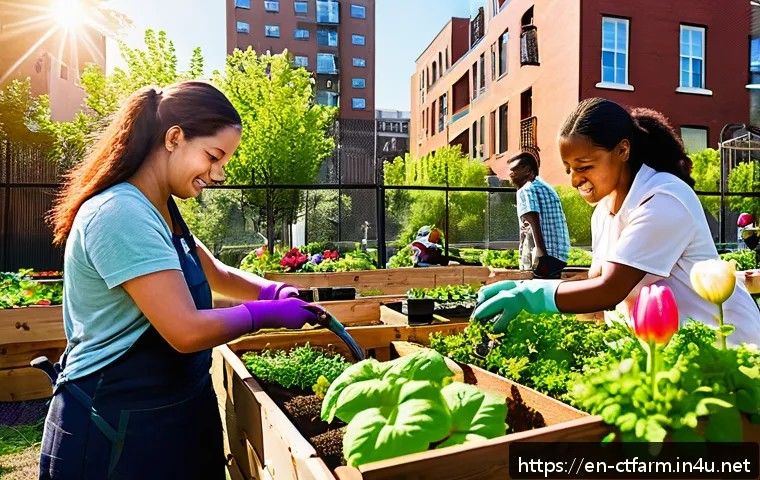
Hosting educational events is an excellent way to generate additional income and deepen community ties. I started teaching weekend classes on container gardening and composting, which attracted hobbyists and families eager to learn sustainable living.
These sessions also introduce people to your farm and can convert attendees into customers or volunteers. Providing hands-on experiences makes urban farming accessible and empowers locals to grow their own food.
Volunteer and Internship Programs
Involving volunteers and interns not only helps with labor but also builds a passionate support network. I found that people enjoy contributing to a cause they believe in, especially when they can see tangible results.
Offering structured programs with clear roles and learning opportunities keeps participants motivated and productive. This approach also spreads word-of-mouth advertising and cultivates future advocates for your farm.
Collaborative Events with Neighborhood Groups
Participating in or organizing events like farmers’ markets, sustainability fairs, or neighborhood cleanups raises your farm’s profile. These gatherings create a platform to showcase your produce, share knowledge, and connect with potential customers.
I’ve seen urban farms thrive by becoming hubs of community activity, which strengthens local support and increases sales. Collaborative events also highlight the social and environmental benefits of urban agriculture, encouraging wider adoption.
Innovative Crop Choices for Urban Farming
High-Value Specialty Greens and Edible Flowers
Specialty greens like kale, arugula, and baby spinach command premium prices and grow well in controlled environments. Edible flowers add aesthetic appeal to dishes and attract niche markets such as gourmet restaurants and event caterers.
Growing these crops allows urban farms to tap into trendy food movements and diversify income streams. Their relatively short growing cycles also enable quick turnover and cash flow.
Heirloom and Ethnic Vegetables
Offering heirloom varieties and culturally significant vegetables differentiates your farm and caters to diverse urban populations. I noticed increased demand when introducing unique tomatoes, peppers, or greens that aren’t typically found in supermarkets.
These crops often have strong flavor profiles and nostalgic value, making them favorites for home cooks and chefs alike. Marketing them as rare or traditional adds a storytelling element that resonates with buyers.
Season Extension Techniques
Using greenhouses, cold frames, or indoor grow lights can extend the growing season and stabilize production throughout the year. I experimented with these methods and found that they help maintain supply consistency, which is vital for customer retention and planning.
Season extension also opens possibilities to grow crops that wouldn’t normally thrive in your climate, broadening your market offerings. While initial investment might be higher, the payoff in reliability and diversity is worth it.
Urban Farming Startup Comparison Table
| Startup Idea | Space Requirement | Initial Investment | Time to First Harvest | Potential Market | Key Challenges |
|---|---|---|---|---|---|
| Vertical and Rooftop Gardens | Small to Medium (vertical walls, rooftops) | Medium to High (planters, soil alternatives) | 1-3 months | Local residents, restaurants | Structural load, weather exposure |
| Indoor Microgreens and Herbs | Very Small (indoor spaces) | Low to Medium (LED lights, trays) | 2-4 weeks | Urban consumers, markets | Lighting costs, humidity control |
| Automated Hydroponics/Aquaponics | Small to Medium | High (equipment, pumps) | 1-3 months | Health-conscious buyers, restaurants | Technical maintenance, initial cost |
| Community-Supported Agriculture (CSA) | Varies | Low to Medium | Varies by crop | Local families, subscription users | Customer retention, crop planning |
| Specialty Crops (Heirloom/Edible Flowers) | Small to Medium | Low to Medium | 1-3 months | Niche markets, gourmet restaurants | Market education, crop sensitivity |
Conclusion
Urban farming offers exciting opportunities to transform limited city spaces into productive, sustainable green hubs. By creatively using vertical gardens, embracing technology, and building strong community connections, urban farmers can thrive despite space constraints. With thoughtful planning and innovative approaches, even small-scale operations can achieve meaningful impact and profitability.
Helpful Information to Keep in Mind
1. Start small with microgreens or herbs indoors to test your market and build confidence before scaling up.
2. Use technology like IoT sensors and automated systems to optimize resources and reduce labor demands.
3. Engage your local community through CSA programs, workshops, and partnerships to create loyal customers.
4. Choose specialty or heirloom crops that appeal to niche markets and allow for premium pricing.
5. Explore funding opportunities such as grants and crowdfunding to support initial investments and growth.
Key Takeaways
Maximizing urban farming success requires a blend of creativity, technology, and community focus. Efficient use of space through vertical and rooftop gardens is essential, as is leveraging data and automation for productivity. Building a strong brand that tells a compelling sustainability story will attract and retain customers. Finally, managing costs carefully and tapping into diverse funding sources ensures long-term viability in the competitive urban agriculture landscape.
Frequently Asked Questions (FAQ) 📖
Q: What are the most promising urban farming startup ideas for beginners?
A: If you’re just starting out, consider vertical farming or hydroponic setups that can fit into small spaces like balconies or rooftops. These methods maximize yield without needing much soil or land.
Another great idea is creating subscription-based fresh produce boxes sourced from local urban gardens. This taps into consumers’ growing desire for fresh, sustainable food and builds a loyal customer base.
From my experience, blending technology like IoT sensors for monitoring plant health can also add value and differentiate your startup in a crowded market.
Q: How can urban farming startups balance profitability with environmental sustainability?
A: Striking that balance requires smart resource management and innovative solutions. For instance, using renewable energy sources such as solar panels to power grow lights can cut costs and reduce carbon footprint.
Water recycling systems are another game-changer, minimizing waste while ensuring plants get what they need. I’ve seen startups thrive by focusing on local supply chains to reduce transportation emissions and partnering with community organizations to promote food education—this not only boosts their brand but helps foster a sustainable mindset in the community.
Q: What challenges should entrepreneurs expect when launching an urban agriculture business?
A: The biggest hurdles often revolve around space constraints, regulatory compliance, and initial setup costs. Urban environments are competitive, so finding affordable, suitable locations can be tricky.
Also, navigating local zoning laws and health regulations requires careful planning. From what I’ve encountered, securing funding is another common challenge, but pitching the environmental and social impact alongside solid business plans helps attract investors.
Patience and adaptability are key—early setbacks are part of the journey, but the rewards of contributing to healthier cities make it worthwhile.