As urban farming continues to gain momentum, more city dwellers are eager to transform small spaces into lush, productive gardens. With sustainability and self-sufficiency becoming hot topics, understanding what drives success in urban agriculture is more important than ever.
Whether you’re a beginner or looking to refine your green thumb, knowing the key factors that influence growth and yield can make all the difference. In this post, we’ll dive into practical insights and proven strategies that can help you thrive in your urban farming journey.
Ready to unlock the secrets to a flourishing city garden? Let’s get started!
Choosing the Right Plants for Urban Spaces
Assessing Your Environment
Understanding the microclimate of your urban garden is crucial. Unlike rural farms, city gardens often face unique challenges such as limited sunlight due to surrounding buildings, pollution, and fluctuating temperatures.
Before planting, spend a few days observing how sunlight moves across your space, noting shaded and sunny spots. This will help you select plants that thrive in those specific light conditions.
For example, leafy greens like spinach and kale do well in partial shade, while tomatoes and peppers require full sun. Also, consider wind exposure; rooftops and balconies might be windier than ground-level plots, which can stress plants.
Using windbreaks such as trellises or screens can protect more delicate crops.
Selecting High-Yield Varieties
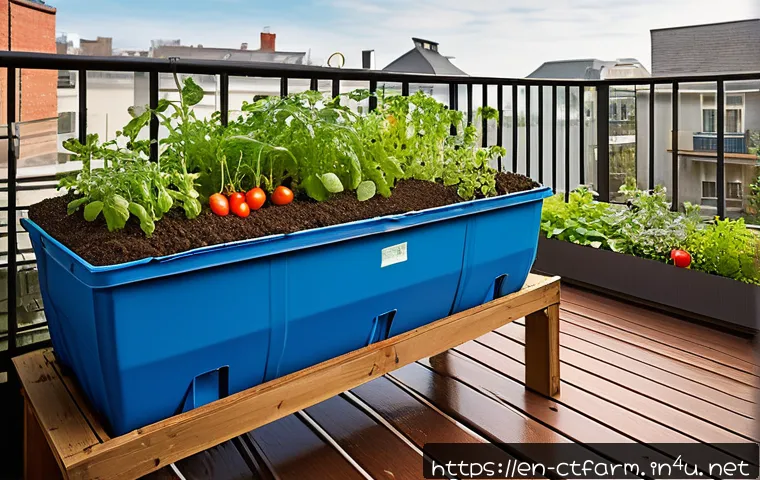
When space is limited, every square inch counts. Choosing plant varieties bred for high yield and compact growth can maximize your harvest. Dwarf or bush varieties of vegetables, such as cherry tomatoes or bush beans, are perfect for containers or small beds.
Heirloom varieties often boast superior flavor but may require more care and space, so balance your priorities accordingly. Additionally, fast-growing crops like radishes and lettuce allow for multiple harvests in a season, making them ideal for beginners eager to see quick results.
Remember, experimenting with different varieties in your specific urban environment is the best way to discover what works.
Companion Planting for Enhanced Growth
Companion planting is a strategy that pairs plants to improve growth, deter pests, and optimize space. For instance, planting basil near tomatoes can enhance the tomato’s flavor and repel harmful insects.
Similarly, marigolds can protect vegetables from nematodes and other pests. Intercropping fast-growing plants with slower ones allows you to harvest sooner without sacrificing long-term crops.
This method not only increases productivity but also supports biodiversity, which is essential for a healthy urban ecosystem. From personal experience, integrating companion plants has noticeably reduced pest problems in my balcony garden without chemical interventions.
Maximizing Soil Health in Urban Gardens
Choosing the Right Soil Mix
Urban soils can be unpredictable, often compacted or contaminated. For container gardening or raised beds, creating a custom soil mix is the best approach.
A balanced mix typically includes high-quality compost, peat moss or coco coir for moisture retention, and perlite or vermiculite for aeration. This combination ensures roots have access to nutrients, water, and oxygen.
I’ve found that mixing your own soil not only improves plant health but also reduces the risk of disease compared to using generic bagged soils. Regularly amending your soil with organic matter keeps it fertile and supports beneficial microorganisms.
Composting at Home
Composting urban kitchen scraps and garden waste is an excellent way to enrich your soil sustainably. Even with limited space, small compost bins or worm farms (vermicomposting) can produce nutrient-rich humus.
The decomposition process recycles nutrients back into your garden, reducing the need for synthetic fertilizers. Personally, I started vermicomposting on my balcony and was amazed at how quickly my plants responded to the nutrient boost.
Just remember to maintain the right moisture levels and avoid adding meat or dairy to prevent odors and pests.
Soil Testing and Amendments
Regular soil testing is often overlooked but essential for maintaining optimal nutrient levels. Urban gardeners can use affordable home test kits or send samples to local extension services.
Testing reveals pH levels, nutrient deficiencies, and potential contaminants, helping you tailor amendments accordingly. For example, if your soil is too acidic, adding lime can balance it, while sulfur can lower alkaline soils.
Adjusting soil health proactively prevents common problems like stunted growth and poor fruiting. In my experience, testing soil annually has saved me from countless frustrating harvest failures.
Water Management Strategies for City Gardens
Efficient Irrigation Methods
Water scarcity and conservation are vital concerns in urban farming. Using drip irrigation or soaker hoses delivers water directly to plant roots, reducing evaporation and runoff.
These systems can be automated with timers to ensure consistent watering without daily effort. From trial and error, I’ve learned that manual watering often leads to over or under-watering, stressing plants.
Installing a simple drip system transformed my garden’s health and saved me hours each week. Additionally, grouping plants with similar water needs helps optimize irrigation efficiency.
Rainwater Harvesting Techniques
Collecting and storing rainwater is an eco-friendly way to supplement your garden’s water supply. Even small setups like rooftop barrels or balcony catchments can provide significant amounts of water during rainy seasons.
This reduces reliance on municipal water and lowers utility bills. However, ensure your collection system is covered to prevent mosquito breeding and filtered to remove debris.
I installed a rain barrel at my urban home, and it consistently supplies clean water for my container plants, especially during dry spells.
Mulching Benefits and Practices
Applying mulch around your plants conserves moisture, suppresses weeds, and regulates soil temperature. Organic mulches like straw, shredded leaves, or wood chips break down over time, enriching the soil.
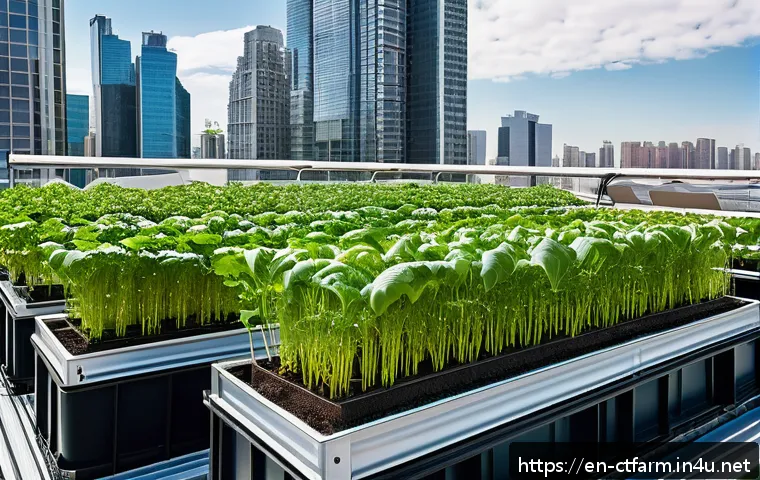
Mulching is especially beneficial in urban settings where heat can quickly dry out soil surfaces. In my rooftop garden, a thick layer of mulch has drastically reduced watering frequency and improved plant resilience during hot summers.
Be sure to keep mulch a few inches away from plant stems to prevent rot.
Leveraging Vertical Space and Innovative Structures
Vertical Gardening Basics
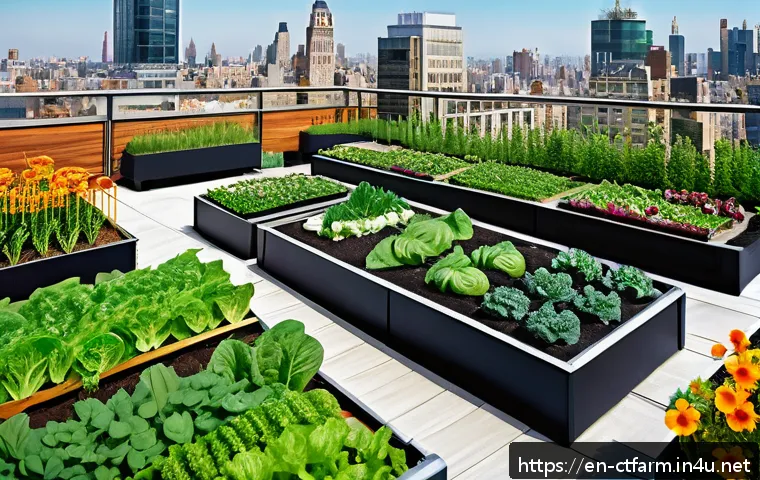
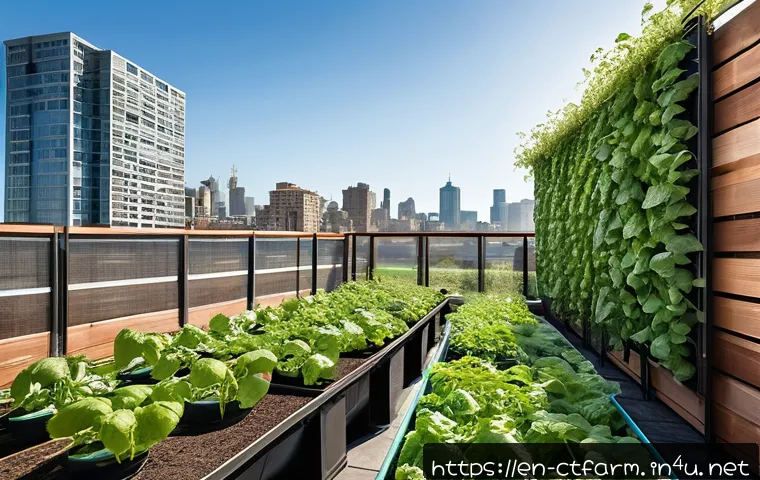
Vertical gardening is a game-changer for urban farmers facing limited ground space. Using trellises, wall-mounted planters, or stackable pots, you can grow climbing plants like peas, cucumbers, and beans upwards instead of outwards.
This not only saves space but also improves air circulation, reducing disease risk. I experimented with vertical gardens on my apartment balcony and was surprised by the increased yield per square foot.
Plus, vertical gardens add a lush, green aesthetic that brightens urban living spaces.
DIY Structures for Urban Farming
Creative use of materials can turn almost any urban nook into a garden. Pallets, recycled containers, and PVC pipes can be repurposed into planters or irrigation systems.
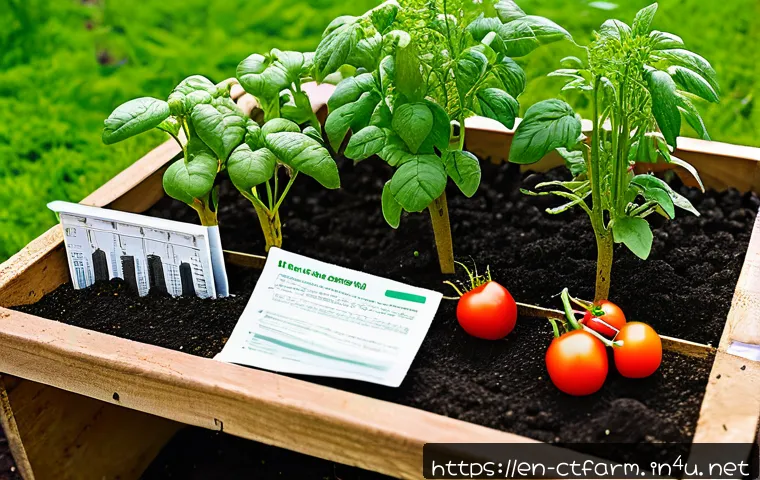
Building a simple greenhouse or cold frame can extend your growing season by protecting plants from cold snaps and wind. I built a small cold frame with leftover lumber and clear plastic sheeting, which allowed me to start seedlings earlier in the spring and enjoy fresh greens longer into the fall.
These structures are affordable and customizable to your space and needs.
Incorporating Hydroponics and Aquaponics
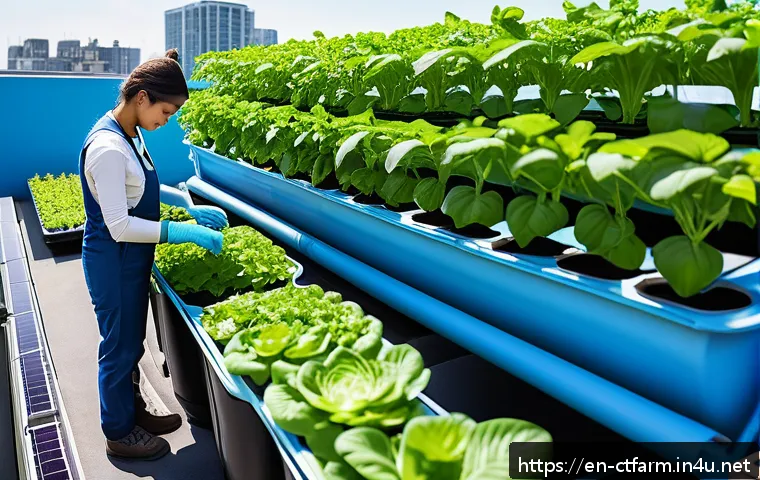
Soilless gardening methods like hydroponics and aquaponics are gaining popularity in urban farming for their water efficiency and high yields. Hydroponics involves growing plants in nutrient-rich water solutions, while aquaponics combines fish farming with plant cultivation, creating a sustainable symbiotic system.
Although the initial setup can be technical, kits are increasingly user-friendly. Personally, setting up a small hydroponic system was a rewarding challenge that taught me a lot about plant nutrition and water management.
These systems also free up soil space and reduce pest issues.
Understanding Urban Farming Regulations and Community Resources
Local Ordinances and Zoning Laws
Navigating city regulations is an essential step for urban farmers. Many municipalities have specific rules regarding garden size, types of structures allowed, water usage, and pesticide application.
Some cities actively encourage urban agriculture with incentives and grants, while others impose restrictions to manage public health and safety. Contacting your local planning department or extension office can provide clarity.
I once had to relocate a garden bed after learning it violated setback rules from the sidewalk, so checking early saves headaches later.
Connecting with Urban Farming Networks
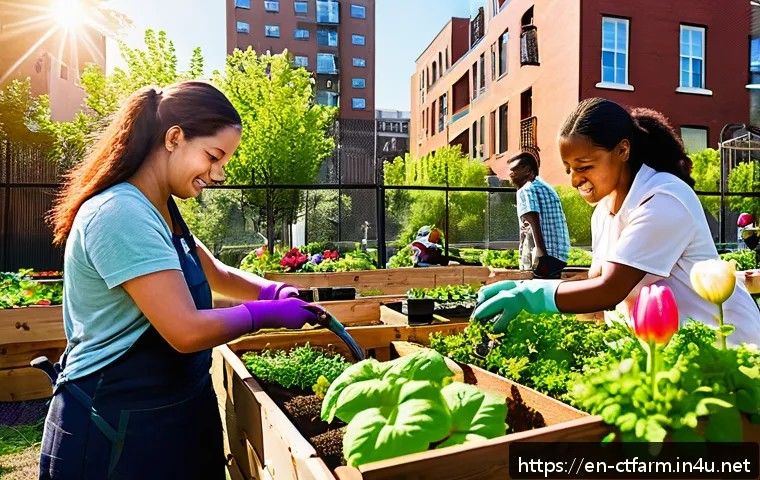
Joining local urban farming groups or community gardens can provide invaluable support, knowledge sharing, and access to resources like tools, seeds, and compost.
These networks often host workshops and events that help both beginners and experienced growers improve their skills. Through community involvement, I met fellow gardeners who shared tips on pest control and crop rotation that dramatically improved my harvests.
Plus, the social aspect brings motivation and a sense of belonging.
Grants, Incentives, and Educational Programs
Many cities offer programs to encourage sustainable urban agriculture. These may include grants for purchasing equipment, free soil testing, or training courses on best practices.
Applying for these opportunities can reduce startup costs and enhance your expertise. I benefited from a local grant that funded my drip irrigation system and attended workshops that deepened my understanding of organic pest management.
Staying informed about available programs can accelerate your urban farming success.
Harvesting and Maintaining Your Urban Garden
Timing Your Harvest
Knowing when to harvest is key to maximizing flavor and nutritional value. Each crop has an optimal picking window, often indicated by size, color, or texture.
For instance, harvesting tomatoes just as they turn fully red ensures peak sweetness, while leafy greens taste best when young and tender. Overripe produce can attract pests and reduce plant vigor.
I keep a garden journal noting planting and harvest dates, which helps me fine-tune timing year after year for better results.
Pruning and Plant Care
Regular maintenance like pruning and deadheading promotes healthy growth and prevents disease. Removing yellowing leaves or spent flowers redirects energy to fruit production.
For vining plants, training and trimming excess growth maintain airflow and reduce crowding. I noticed that pruning my pepper plants resulted in larger, more abundant fruits.
Consistent care routines make a significant difference in urban gardens where space and resources are limited.
Preparing for Seasonal Changes
Urban gardens must adapt to seasonal shifts to sustain productivity. Extending the growing season with cold frames, row covers, or indoor seed starting allows for year-round gardening.
Conversely, cleaning up plant debris in fall prevents overwintering pests and diseases. I use lightweight frost blankets on chilly nights to protect sensitive crops and start seedlings indoors in late winter.
Planning for seasonal transitions ensures your garden remains vibrant and productive throughout the year.
| Factor | Key Tips | Benefits |
|---|---|---|
| Plant Selection | Choose compact, high-yield, and shade-tolerant varieties | Maximizes space and harvest quality |
| Soil Health | Use custom soil mixes and compost regularly | Improves nutrient availability and plant vigor |
| Water Management | Implement drip irrigation and mulch | Conserves water and promotes consistent moisture |
| Vertical Gardening | Use trellises and wall planters | Expands growing area and enhances airflow |
| Community Engagement | Join local groups and access resources | Provides support, education, and cost savings |
In Conclusion
Urban gardening offers a rewarding way to connect with nature while making the most of limited space. By carefully selecting plants, managing soil and water, and embracing creative growing methods, anyone can cultivate a thriving city garden. With patience and practice, your urban oasis will flourish, bringing fresh produce and a sense of accomplishment to your daily life.
Useful Tips to Remember
1. Assess your garden’s light and wind conditions before choosing plants to ensure they thrive in your specific urban environment.
2. Opt for compact, high-yield, and fast-growing plant varieties to maximize limited space and enjoy multiple harvests.
3. Regularly enrich your soil with homemade compost and organic matter to maintain fertility and plant health.
4. Implement efficient watering systems like drip irrigation and collect rainwater to conserve resources and keep plants hydrated.
5. Engage with local urban farming communities and resources to gain knowledge, support, and access to helpful programs.
Key Takeaways
Successful urban gardening hinges on understanding your environment and tailoring your approach accordingly. Prioritize selecting suitable plants and maintaining healthy soil through consistent composting and amendments. Efficient water management, including drip irrigation and mulching, is essential for sustainability. Leveraging vertical space and innovative structures can significantly boost productivity. Lastly, staying informed about local regulations and connecting with community networks enhances your gardening experience and long-term success.
Frequently Asked Questions (FAQ) 📖
Q: What are the best plants to grow in small urban spaces?
A: When space is limited, choosing the right plants can make a huge difference. Leafy greens like spinach, lettuce, and kale are excellent because they grow quickly and don’t require deep soil.
Herbs such as basil, mint, and parsley thrive in small containers and add flavor to your cooking. Cherry tomatoes and dwarf pepper varieties also do well in pots and balconies.
From my experience, starting with these manageable plants helps build confidence and ensures a steady harvest without overwhelming your space.
Q: How can I improve soil quality in an urban garden with limited access to natural soil?
A: Urban gardeners often struggle with poor or no natural soil, but container gardening allows you to control your growing medium. I recommend using high-quality potting mixes rich in organic matter, which retain moisture and provide nutrients.
Adding compost or worm castings boosts fertility and encourages healthy root development. Regularly amending the soil with organic fertilizers helps maintain nutrient levels.
I’ve found that mixing in perlite or vermiculite improves drainage, preventing root rot, which is a common issue in urban setups.
Q: What are the most effective ways to maximize yield in a small urban garden?
A: Maximizing yield in tight spaces means optimizing every inch. Vertical gardening techniques like trellises, hanging planters, or stacked containers can multiply your growing area.
Succession planting—harvesting one crop and immediately planting another—keeps your garden productive year-round. Companion planting also helps; for example, planting basil near tomatoes can boost growth and deter pests.
Personally, I saw a noticeable increase in harvests once I started using vertical structures combined with careful crop rotation, which kept the soil healthy and the plants thriving.