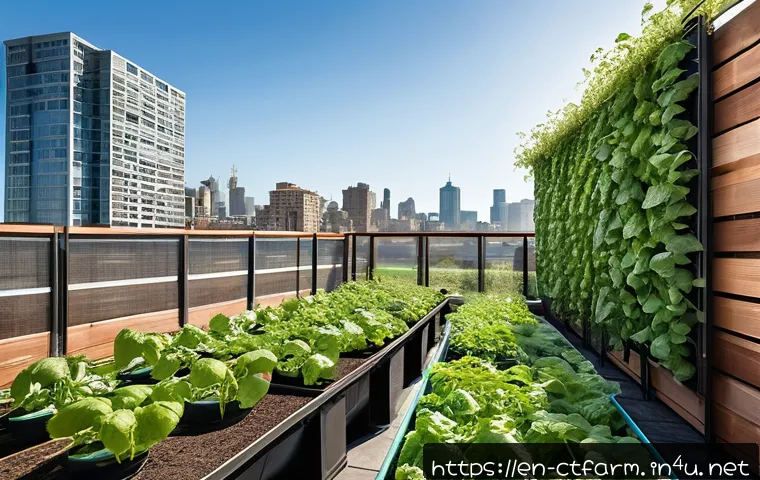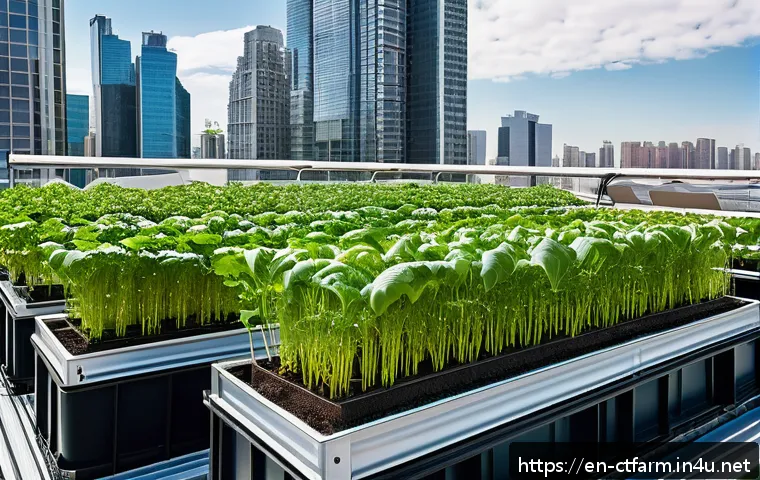
Urban agriculture is rapidly transforming the way we think about food production in cities, making certification in this field more valuable than ever.

Whether you’re a passionate gardener or an aspiring expert, mastering the Urban Agriculture Certification Exam can open doors to exciting career opportunities and sustainable living practices.
With new trends emphasizing eco-friendly methods and community engagement, preparing effectively is key to standing out. In this post, I’ll share proven study strategies that have helped many pass with confidence, so you can tackle the exam without stress.
Let’s dive into actionable tips that will boost your knowledge and keep you motivated throughout your preparation journey.
Building a Strong Foundation in Urban Agriculture Concepts
Understanding Core Principles and Terminology
Grasping the fundamental concepts is essential for tackling any certification exam, and urban agriculture is no exception. Start by familiarizing yourself with key terms such as permaculture, aquaponics, vertical farming, and sustainable soil management.
These aren’t just buzzwords; they form the backbone of the exam content. I found it really helpful to create flashcards for each term and jot down examples from real urban farms I’ve read about or visited.
This approach not only helped cement the definitions but also allowed me to see how these principles apply in practice, which made it easier to recall during the test.
Exploring Different Urban Farming Techniques
There’s a whole spectrum of methods used in urban agriculture, ranging from container gardening to hydroponics. Delving into each technique’s advantages, challenges, and best use cases is crucial.
When I prepared, I made detailed notes comparing soil-based methods to soilless ones, noting factors like water efficiency, crop yield, and scalability.
This comparative study made the exam questions on method selection much more intuitive. Plus, understanding these techniques helps you appreciate the diversity of urban farming, which is often a topic in scenario-based questions.
Recognizing Environmental and Social Impacts
Urban agriculture isn’t just about growing food—it’s about creating sustainable, community-centered ecosystems. Make sure to study how urban farms contribute to reducing food deserts, enhancing biodiversity, and improving air quality.
I remember a question on the exam about the social benefits of community gardens, which was straightforward because I had spent time reviewing case studies where urban farms revitalized neighborhoods.
Reflecting on these impacts makes the subject matter more relatable and reinforces your motivation to learn.
Effective Time Management for Exam Preparation
Creating a Realistic Study Schedule
One common pitfall is underestimating the time needed to cover all topics thoroughly. When I first started, I tried cramming, which only added stress.
Instead, breaking down the syllabus into manageable chunks and assigning specific days for each section worked wonders. I used a calendar app to set reminders, ensuring I stayed on track without burning out.
Prioritizing weaker areas early on gave me ample time to revisit them before the exam.
Balancing Study with Hands-On Practice
Urban agriculture is very practical, so pairing theoretical study with real-world experience is invaluable. If you can, volunteer at a local urban farm or start a small garden project.
This hands-on exposure deepens your understanding of concepts like soil amendments or pest control. From my experience, these activities made abstract ideas tangible and boosted my confidence when answering practical questions on the exam.
Utilizing Breaks to Maintain Focus
It’s easy to get overwhelmed, especially when the content feels dense. Short, regular breaks during study sessions helped me maintain concentration and avoid burnout.
Techniques like the Pomodoro method—studying for 25 minutes then taking a 5-minute break—kept my mind fresh. During breaks, I’d do light stretching or step outside for fresh air, which surprisingly improved my retention and mood.
Mastering Key Study Resources and Materials
Choosing the Right Study Guides and Textbooks
Not all study materials are created equal. Look for resources that are up to date and specifically tailored to urban agriculture certification. I found that guides with diagrams, case studies, and review questions were the most effective.
Supplementing textbooks with online webinars or video tutorials helped clarify complex topics like hydroponic nutrient solutions or urban pest management.
Leveraging Online Forums and Study Groups
Joining communities of fellow exam takers can be a game-changer. I participated in an online urban agriculture forum where members shared study tips, quiz questions, and motivational stories.
This interaction provided diverse perspectives and kept me accountable. Additionally, discussing tricky concepts aloud with peers often revealed gaps in my understanding that I could then address.
Incorporating Practice Exams into Your Routine
Taking timed practice exams is crucial for familiarizing yourself with the test format and pacing. When I practiced, I treated these mock tests like the real deal—no distractions, timed conditions.
Reviewing wrong answers carefully helped me identify patterns in my mistakes. This approach not only improved my knowledge but also reduced exam-day anxiety significantly.
Developing Critical Thinking for Scenario-Based Questions
Analyzing Real-Life Urban Agriculture Challenges
Scenario questions often require applying knowledge rather than recalling facts. To prepare, I studied common urban farming problems such as pest outbreaks, limited space, or resource constraints.
Writing out how I would solve these issues step-by-step helped sharpen my problem-solving skills. This practice made it easier to think on my feet when faced with complex case studies during the exam.
Practicing Decision-Making with Multiple-Choice Strategies
Sometimes, the exam presents tricky multiple-choice questions with answers that seem equally plausible. I learned to eliminate obviously incorrect options first, then weigh pros and cons of the remaining ones based on what I had studied.
For instance, if the question involved selecting a crop for a rooftop garden, I’d consider factors like sunlight, weight, and water needs before choosing.
This strategic approach boosted my accuracy and saved valuable time.
Reflecting on Past Exam Experiences
Reading through exam reviews and testimonials from previous test-takers gave me insights into common pitfalls and question styles. Many emphasized the importance of understanding context rather than memorizing facts.
This feedback encouraged me to think critically about how urban agriculture concepts interact, which paid off during the actual test.
Maintaining Motivation and Mental Well-Being Throughout Preparation

Setting Achievable Milestones and Rewards
Studying for a certification can feel like a marathon, so celebrating small victories keeps morale high. I set weekly goals, such as mastering a specific topic or completing a practice test, and rewarded myself with simple treats like a favorite snack or a movie night.
These little celebrations made the journey enjoyable and less daunting.
Dealing with Study Fatigue and Stress
There were days when motivation waned, and stress crept in. To combat this, I practiced mindfulness exercises like deep breathing and journaling about my progress.
Talking to friends or mentors about my challenges also helped me gain perspective. Recognizing that it’s normal to feel overwhelmed at times allowed me to be kinder to myself and stay persistent.
Visualizing Success to Stay Focused
Imagining how passing the exam would impact my career and lifestyle kept me driven. I pictured myself confidently managing urban farms and contributing to sustainable communities.
This mental rehearsal transformed vague ambitions into tangible goals, making study sessions feel purposeful rather than tedious.
Organizing Knowledge with Visual Tools and Summaries
Creating Mind Maps to Connect Concepts
I found mind maps especially helpful for linking related topics like soil health, irrigation methods, and pest control. Drawing these connections visually made it easier to see the bigger picture and recall detailed information under pressure.
Plus, the act of creating the map itself reinforced my learning.
Summarizing Information in Tables for Quick Review
Tables are fantastic for condensing dense information into clear, accessible formats. For example, comparing different urban farming techniques side by side highlights their pros, cons, and ideal uses at a glance.
This made last-minute reviews efficient and less overwhelming.
Using Color-Coding to Enhance Memory
Assigning colors to categories—like green for sustainable practices, blue for water management, and red for pest control—helped me organize notes visually.
This system sped up my review sessions since my brain quickly associated topics with colors, making retrieval faster.
| Urban Farming Technique | Advantages | Challenges | Best Use Case |
|---|---|---|---|
| Container Gardening | Portable, space-efficient, low cost | Limited root space, frequent watering | Balconies, small patios |
| Hydroponics | Water-efficient, higher yields, no soil needed | Requires technical knowledge, initial setup cost | Indoor farms, urban rooftops |
| Vertical Farming | Maximizes space, controlled environment | High energy use, complex management | Dense urban areas, commercial production |
| Community Gardens | Social engagement, educational opportunities | Land access issues, maintenance challenges | Neighborhood revitalization |
Adapting Study Approaches Based on Personal Learning Styles
Identifying Whether You’re a Visual, Auditory, or Kinesthetic Learner
Knowing how you learn best can transform your study efficiency. For example, I realized I’m mostly a visual learner, so I focused on diagrams and videos.
If you’re auditory, listening to podcasts or recording yourself explaining concepts might be more effective. Kinesthetic learners benefit from hands-on activities or role-playing scenarios, which is perfect for something as practical as urban agriculture.
Customizing Study Techniques to Match Your Strengths
Don’t hesitate to experiment with different methods. I tried group discussions, solo flashcard drills, and even teaching concepts to friends, which reinforced my understanding from multiple angles.
Tailoring your study style keeps things fresh and prevents burnout.
Tracking Progress and Adjusting Plans as Needed
Regularly assessing your grasp on topics helps identify where to focus next. I kept a simple checklist and updated it weekly, which revealed patterns in my weak spots.
Being flexible enough to tweak your schedule or resources ensures that preparation remains effective and aligned with your goals.
Closing Thoughts
Building a solid foundation in urban agriculture requires a blend of knowledge, practical experience, and strategic study habits. By understanding core principles, managing your time wisely, and adapting your learning style, you’ll be well-prepared to succeed. Remember, consistent effort paired with real-world application makes all the difference in mastering this field.
Useful Information to Keep in Mind
1. Break down complex topics into manageable sections to avoid feeling overwhelmed during your study sessions.
2. Hands-on practice, such as volunteering or starting a small garden, enhances comprehension beyond textbooks.
3. Engage with online forums and study groups to gain diverse perspectives and stay motivated.
4. Use visual tools like mind maps and color-coding to improve memory retention and quick reviews.
5. Regularly assess your progress and adjust your study plan to focus on areas that need improvement.
Key Takeaways
Success in urban agriculture certification depends on a well-rounded approach: grasp essential concepts, balance theory with practice, and develop critical thinking for scenario questions. Effective time management and self-care are crucial to maintain focus and motivation throughout your preparation. Tailoring study methods to your learning style ensures efficient and enjoyable progress, while leveraging community support and practice tests helps reduce exam anxiety and boosts confidence.
Frequently Asked Questions (FAQ) 📖
Q: uestions about Urban
A: griculture Certification Exam
Q: What are the best study methods to prepare for the Urban
A: griculture Certification Exam? A1: From my experience and feedback I’ve gathered, combining hands-on practice with thorough reading is the most effective approach.
Start by familiarizing yourself with key concepts like soil health, sustainable pest management, and urban farming systems. Supplement this with practical experience—try small-scale gardening or volunteer at community farms.
Using flashcards to memorize terminology and taking practice tests can boost your confidence and highlight areas needing improvement. Breaking study sessions into manageable chunks and setting realistic goals helps maintain motivation without feeling overwhelmed.
Q: How can I stay motivated throughout the preparation process?
A: Staying motivated can be challenging, but connecting your studies to real-life impact makes a big difference. Remind yourself why urban agriculture matters—whether it’s reducing food miles, supporting local communities, or promoting environmental sustainability.
Joining study groups or online forums creates a sense of community and accountability. Also, celebrate small victories like mastering a difficult topic or completing a practice quiz.
Personally, I found that visualizing passing the exam and the career opportunities it unlocks kept me pushing forward, even on tough days.
Q: What career opportunities can open up after earning the Urban
A: griculture Certification? A3: The certification really broadens your horizons. Many certified professionals find roles in urban farm management, community garden coordination, sustainable landscaping, or agricultural education.
Some even start their own urban farming businesses or consult on green infrastructure projects. Employers value certified individuals for their expertise in eco-friendly practices and community engagement.
Plus, with cities increasingly focusing on food security and sustainability, having this certification makes you a competitive candidate in a growing field.
From my network, those who earned the certification have successfully transitioned into rewarding roles that blend passion with purpose.