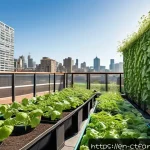
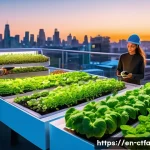
Urban agriculture is rapidly transforming how cities approach sustainability and food security, making specialist roles more vital than ever. If you’re aiming to break into this dynamic field, mastering your interview is key to standing out from the crowd.
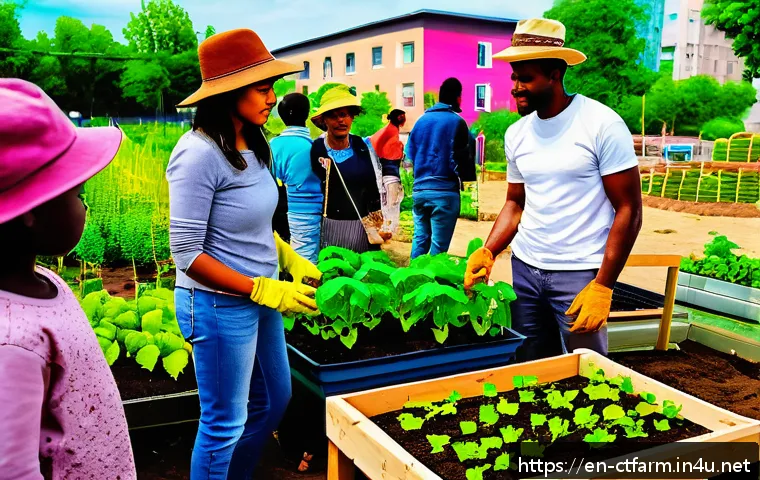
With urban farming gaining momentum as a solution to environmental challenges, employers are seeking candidates who combine practical skills with innovative thinking.
In this post, I’ll share insights and tips that helped me land my dream job, so you can confidently showcase your expertise and passion. Whether you’re a seasoned pro or just starting out, this guide will prepare you to make a lasting impression and thrive in urban agriculture.
Let’s dive into how you can turn your interview into a career-launching opportunity.
Understanding Core Urban Agriculture Competencies
Essential Technical Skills to Highlight
When preparing for an urban agriculture interview, it’s crucial to emphasize technical skills that directly impact the effectiveness of sustainable city farming.
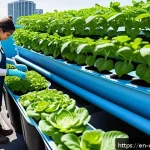
This includes knowledge of soil science, hydroponics, aquaponics, and pest management. From my experience, employers are particularly interested in candidates who can demonstrate hands-on familiarity with these methods, as they often require quick adaptation to urban constraints like limited space and variable environmental conditions.
Sharing specific examples, such as successfully managing a vertical farm or optimizing nutrient delivery in a hydroponic system, can instantly elevate your credibility.
Innovative Problem-Solving in Urban Farming
Urban agriculture frequently demands creative solutions to challenges like water scarcity, pollution, and urban zoning restrictions. I found that interviewers respond well when candidates discuss how they’ve approached such problems—whether it was designing a rainwater harvesting system or collaborating with city officials to secure community garden space.
Highlighting your ability to think outside the box, combined with a practical understanding of urban ecosystems, signals that you’re prepared to contribute meaningfully from day one.
Community Engagement and Educational Outreach
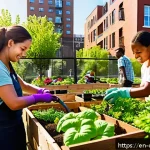
Another key competency is your ability to engage the local community and educate stakeholders about the benefits of urban agriculture. In my interviews, I shared stories about organizing workshops or school programs that introduced urban farming concepts to diverse audiences.
Employers want to see that you’re not just technically capable but also passionate about fostering sustainable practices and inspiring others to get involved.
This interpersonal skill often differentiates candidates who can truly drive impact in their roles.
Mastering Behavioral Interview Questions
Demonstrating Adaptability in a Fast-Changing Environment
Urban agriculture projects often evolve rapidly due to shifting environmental or policy conditions. When asked about adaptability, I recounted instances where I had to pivot project plans on short notice—like adjusting crop selections because of unexpected weather or supply chain issues.
Framing your answers around specific challenges and how you stayed flexible while maintaining project goals shows resilience and a proactive mindset, qualities highly prized in this sector.
Showcasing Team Collaboration Skills
Working in urban agriculture rarely happens in isolation. I always emphasized my experience collaborating with multidisciplinary teams, including city planners, environmental scientists, and community volunteers.
Sharing concrete examples—such as coordinating planting schedules with local nonprofits or resolving conflicts within a project team—helps interviewers visualize how you’ll integrate and contribute effectively to their organization’s goals.
Highlighting Passion and Long-Term Commitment
Interviewers want to know if you’re genuinely invested in urban agriculture beyond just the job itself. I made it a point to discuss my personal motivations, such as growing up in a city with limited green spaces or volunteering at community farms.
Connecting your passion to your career aspirations reinforces authenticity and shows you’re likely to stay engaged and motivated, which can make a big difference in hiring decisions.
Technical Knowledge and Industry Trends to Prepare
Current Innovations in Urban Farming Technology
Keeping up with the latest tech trends—like AI-driven crop monitoring, automated irrigation systems, and sustainable packaging—can set you apart. During interviews, referencing recent advances or even expressing eagerness to experiment with emerging tools signals that you’re forward-thinking and ready to help the organization stay competitive.
Understanding Policy and Regulatory Frameworks
Urban agriculture is deeply intertwined with local policies, zoning laws, and sustainability initiatives. Showing awareness of these frameworks—such as incentives for green roofs or restrictions on pesticide use—demonstrates your ability to navigate complex regulatory environments.
In my experience, candidates who can discuss how they’ve worked within or influenced these policies stand out as valuable assets.
Environmental Impact and Sustainability Metrics
Employers often look for candidates who can quantify the environmental benefits of their projects. I prepared by familiarizing myself with metrics like carbon footprint reduction, water savings, and yield improvements per square foot.
Explaining how you’ve tracked and reported these indicators helps prove your project management skills and commitment to measurable sustainability outcomes.
Crafting Compelling Responses to Common Interview Questions
Answering “Tell Me About Yourself” with Relevance
It’s tempting to give a broad personal history, but tailoring your response to urban agriculture is far more effective. I recommend focusing on your educational background, relevant work or volunteer experiences, and specific skills that align with the job description.
For example, mentioning a degree in environmental science alongside your hands-on work in community gardens immediately positions you as a strong fit.
Handling “Describe a Challenge You Overcame”
Interviewers use this question to assess problem-solving and perseverance. I always picked stories that illustrated not just the obstacle but my strategic approach and positive results.
For example, managing a pest outbreak without harmful chemicals by implementing integrated pest management showed my technical knowledge and commitment to sustainable practices.
Responding to “Where Do You See Yourself in Five Years?”
This question gauges ambition and alignment with the company’s mission. I advised framing your answer around growing expertise in urban agriculture, contributing to innovative projects, and possibly leading community outreach or research initiatives.
This shows you’re thinking long-term and eager to advance within the field.
Key Urban Agriculture Interview Preparation Strategies
Researching Potential Employers Thoroughly

Before any interview, digging deep into the organization’s projects, values, and recent news is essential. I found that referencing specific urban agriculture initiatives they’ve launched during the interview demonstrated genuine interest and preparation.
Plus, it allows you to tailor your answers to their unique challenges and opportunities, making your fit obvious.
Practicing with Mock Interviews and Feedback
Conducting practice interviews with friends or mentors familiar with the field helped me refine my delivery and catch any unclear points. Getting constructive feedback on tone, body language, and content boosted my confidence tremendously.
It’s a step I strongly recommend to anyone serious about standing out.
Preparing Questions for Interviewers
Having insightful questions ready to ask shows engagement and critical thinking. I typically asked about the company’s plans for scaling urban agriculture projects or how they measure community impact.
These questions not only deepen your understanding but also position you as a proactive candidate invested in the role’s broader context.
Salary Expectations and Career Growth Insights
Understanding Salary Ranges in Urban Agriculture Roles
Salaries can vary widely depending on location, experience, and employer type. Entry-level urban agriculture coordinators in metropolitan areas often start around $40,000 to $55,000 annually, while specialists or managers with several years of experience can earn upwards of $70,000 or more.
Knowing this range helps you negotiate confidently and avoid undervaluing yourself.
Opportunities for Advancement and Skill Development
Many organizations encourage continuous learning through certifications, workshops, and conferences focused on sustainable agriculture and urban planning.
I personally invested time in courses on permaculture design and data-driven farm management, which opened doors to leadership roles. Highlighting your commitment to professional growth can impress employers looking for future leaders.
Balancing Passion with Practical Career Planning
While enthusiasm for urban agriculture is vital, it’s also important to think pragmatically about job stability, benefits, and work-life balance. Discussing these factors during interviews or negotiations ensures you find a role that supports both your professional ambitions and personal well-being.
| Aspect | Entry-Level Roles | Mid-Level Roles | Senior Roles |
|---|---|---|---|
| Average Salary | $40,000 – $55,000 | $55,000 – $70,000 | $70,000+ |
| Key Skills | Basic crop management, soil health, community outreach | Project coordination, tech integration, policy navigation | Leadership, strategic planning, innovation management |
| Common Job Titles | Urban Farm Assistant, Community Garden Coordinator | Urban Agriculture Specialist, Sustainability Officer | Program Manager, Director of Urban Farming Initiatives |
| Typical Employers | Nonprofits, local government, educational institutions | Municipal agencies, startups, research organizations | Large NGOs, city planning departments, private enterprises |
Building a Personal Brand that Resonates
Leveraging Social Media to Showcase Your Work
Sharing photos, videos, and stories about your urban agriculture projects on platforms like Instagram or LinkedIn can amplify your visibility. When I started posting regular updates about crop cycles and community events, I noticed more networking opportunities and even interview callbacks.
It’s a simple yet powerful way to demonstrate your ongoing commitment and expertise.
Creating a Portfolio of Projects and Achievements
A digital or physical portfolio with detailed descriptions, photos, and impact metrics can be a game-changer during interviews. I compiled case studies of successful urban farming initiatives I led or contributed to, which helped interviewers visualize my skills in action and gave me talking points to discuss in depth.
Networking within the Urban Agriculture Community
Attending conferences, joining professional groups, and participating in online forums not only keeps you updated on industry trends but also connects you with potential mentors and employers.
I found that relationships built through networking often led to insider tips and job leads that wouldn’t have been accessible otherwise.
In Closing
Urban agriculture is a dynamic and evolving field that blends technical expertise with community engagement. Preparing thoroughly for interviews by showcasing relevant skills, problem-solving abilities, and passion will set you apart. Remember, your genuine commitment to sustainable urban farming can make a lasting impression on potential employers. Stay curious and proactive to thrive in this impactful sector.
Helpful Information to Keep in Mind
1. Understanding the latest urban farming technologies, such as hydroponics and AI-driven monitoring, can give you a competitive edge.
2. Demonstrating adaptability and collaboration through real-life examples will highlight your readiness for fast-changing urban agriculture environments.
3. Building a strong personal brand on social media and maintaining a detailed project portfolio can open doors to new opportunities.
4. Knowing local policies and sustainability metrics shows you can navigate regulatory challenges effectively.
5. Continuous learning and networking are key to advancing your career and staying updated on industry trends.
Key Takeaways
Mastering both technical competencies and interpersonal skills is essential for success in urban agriculture roles. Tailor your interview responses to reflect practical experience and a genuine passion for the field. Prepare by researching employers thoroughly and practicing your delivery to boost confidence. Finally, balance your enthusiasm with clear career goals and an understanding of salary expectations to ensure long-term growth and satisfaction.
Frequently Asked Questions (FAQ) 📖
Q: uestions about Urban
A: griculture Interviews
Q: What key skills should I highlight when interviewing for a role in urban agriculture?
A: Employers in urban agriculture look for a mix of hands-on experience and innovative problem-solving. Be sure to emphasize your practical skills such as soil management, hydroponics, or crop rotation, alongside your ability to adapt to challenges like limited space or changing urban environments.
Sharing examples where you implemented sustainable practices or improved yields in small-scale settings can make you stand out. Also, demonstrate your passion for sustainability and community engagement, as these are core to many urban farming projects.
Q: How can I prepare for questions about sustainability and food security during the interview?
A: To confidently address these topics, research current trends and challenges in urban agriculture, like climate resilience, waste reduction, and local food access.
Reflect on your own experiences or ideas that contribute to these goals. For instance, discuss how you’ve used resource-efficient techniques or collaborated with local groups to boost food security.
Showing awareness of how urban farming fits into broader environmental and social issues signals that you’re ready to contribute meaningfully to the field.
Q: What’s the best way to convey my passion for urban agriculture without sounding generic?
A: Authenticity is key. Instead of vague statements, share personal stories that sparked your interest—maybe a community garden you helped start or a project where you overcame obstacles to grow fresh produce in an urban setting.
Talk about how these experiences shaped your commitment and what you’ve learned along the way. This approach not only makes your passion tangible but also helps interviewers connect with your unique journey and vision.